Facing the reality that my house needs a new roof but can’t afford it can be stressful. A damaged or aging roof threatens your home’s safety, energy efficiency, and value. Fortunately, there are ways to address this challenge without breaking the bank. This guide provides practical tips, financing options, and cost-saving strategies to help homeowners manage roof replacement responsibly.
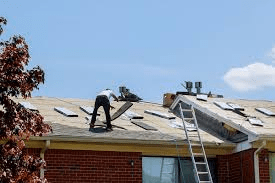
Why Roof Replacement Is Crucial
A roof protects your home from weather, moisture, and structural damage. Ignoring roofing issues can lead to:
- Leaks and water damage – compromising ceilings, walls, and insulation.
- Mold and mildew growth – causing health hazards and structural issues.
- Higher energy bills – old roofs can reduce insulation efficiency.
- Decreased home value – buyers are hesitant to invest in homes with roofing problems.
Expert Insight: According to Wikipedia, the lifespan of a roof depends on materials, climate, and maintenance, but neglecting repairs can accelerate deterioration.
Read too: Hail Damage Roof Repair: Essential Guide to Restoring Your Home’s Protection
Options When You Can’t Afford a Full Roof Replacement
1. Roof Repairs Instead of Replacement
If only part of your roof is damaged, repairs can extend its life:
- Patch leaks or replace broken shingles.
- Address flashing issues around chimneys and vents.
- Reinforce weak areas to prevent water intrusion.
Pro Tip: Minor repairs can buy 2–5 years, depending on roof condition and material.
2. Financing and Loans
Several options exist to help homeowners fund a new roof:
- Home equity loans or lines of credit – borrow against your home’s value.
- Personal loans – fixed repayment schedules for roofing costs.
- Credit cards – short-term solution, though interest rates can be high.
- Roofing company financing – some contractors offer in-house payment plans.
3. Government or Local Assistance Programs
Depending on your state or municipality, programs exist to help low-income homeowners:
- HUD grants and loans – for necessary home repairs.
- Weatherization assistance programs – may cover roof insulation and minor repairs.
Step: Contact local housing authorities to see if you qualify for grants or low-interest loans.
4. Metal or Alternative Roofing Materials
Cost-effective materials can reduce long-term expenses:
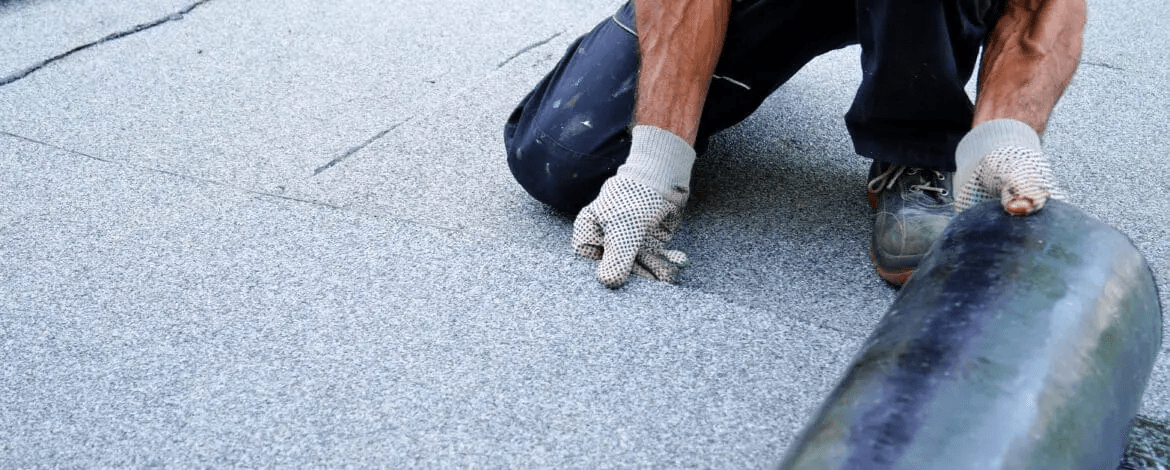
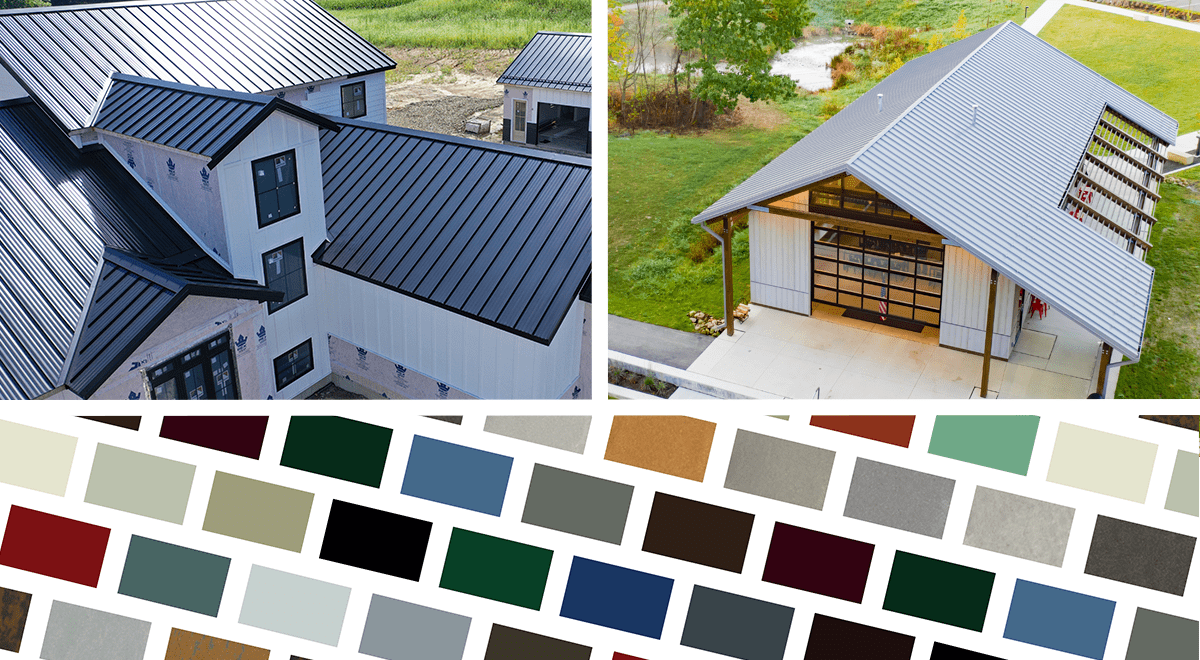
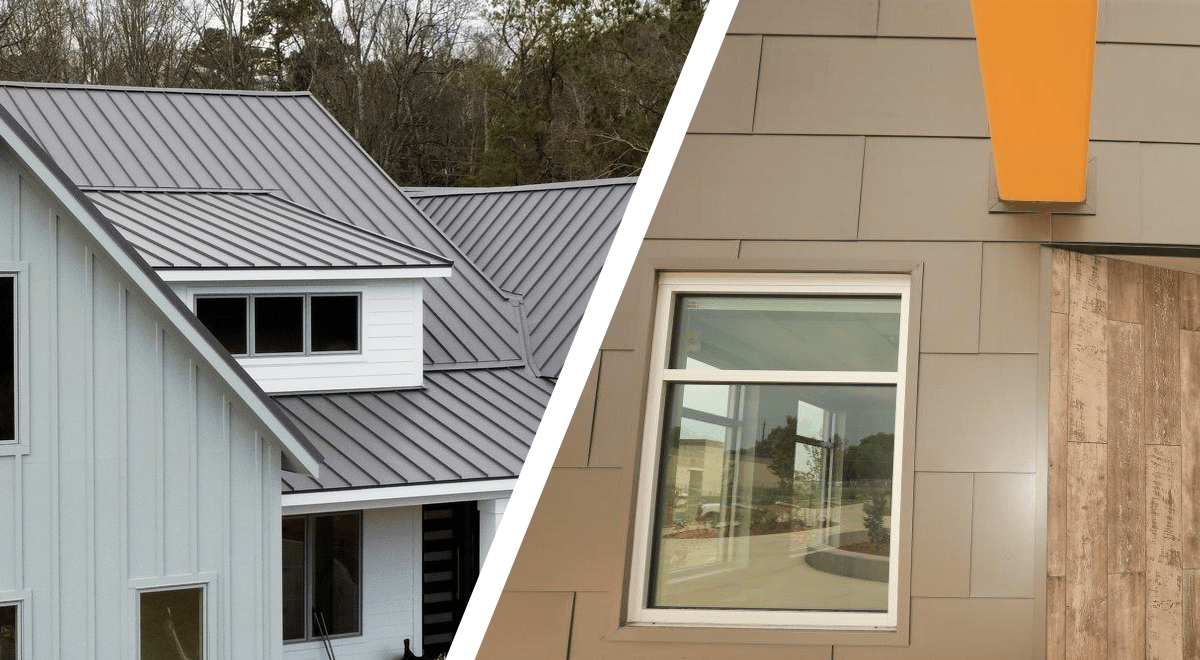
- Metal roofs – durable, energy-efficient, often lasting 40–70 years.
- Asphalt shingles – affordable, easy to install, and widely available.
- Recycled materials – eco-friendly options that can be cheaper and sustainable.
5. Roof Maintenance and Preventive Care
Even if replacement isn’t possible immediately, proper maintenance can prevent worsening damage:
- Clean gutters and downspouts regularly.
- Trim overhanging tree branches to prevent debris accumulation.
- Inspect attic for signs of leaks or moisture.
- Apply temporary waterproof sealants in minor problem areas.
Pros and Cons: Repair vs. Replacement
| Option | Pros | Cons |
|---|---|---|
| Repairs | Lower cost upfront, quick solution | Temporary, may require frequent fixes |
| Full Replacement | Long-term solution, increases home value | High upfront cost, may need financing |
Step-by-Step Guide: Managing a Roof You Can’t Afford
- Assess Roof Condition: Identify leaks, missing shingles, or sagging areas.
- Get Multiple Estimates: Compare repair vs. replacement costs.
- Explore Financing: Apply for loans, credit, or contractor payment plans.
- Check Assistance Programs: Contact local housing authorities for grants or low-interest options.
- Prioritize Repairs: Fix immediate leaks or weak spots to prevent further damage.
- Plan for Future Replacement: Set aside savings or schedule a phased replacement if possible.
FAQ: Roof Replacement on a Budget
Q1: Can I sell my house without replacing a damaged roof?
A: Yes, but disclosure is required. Buyers may offer less or request repairs before closing.
Q2: How long can minor repairs hold up?
A: Depending on the roof type and extent of damage, 2–5 years is typical.
Q3: Are government grants available for roof replacement?
A: Some HUD programs and local housing authorities provide assistance for low-income homeowners.
Q4: What’s the cheapest long-term roofing solution?
A: Asphalt shingles are cost-effective, but metal roofs offer durability and lower maintenance over time.
Q5: Can I DIY a roof repair?
A: Minor repairs like shingle replacement or sealant application are feasible, but structural damage should be handled by professionals.
Q6: How do I prevent future roofing costs if I can’t replace it now?
A: Maintain gutters, inspect for leaks, trim trees, and apply temporary waterproofing measures.
Conclusion
Facing the reality that my house needs a new roof but can’t afford it is stressful, but options exist. From minor repairs to financing, government programs, and cost-effective roofing materials, homeowners can protect their property and extend roof lifespan without breaking the bank. Proper planning, maintenance, and smart financial strategies ensure your home remains safe and retains its value.
Leave a Reply