If you’re researching what type of roof on a Greek Revival house shingles, you’re likely restoring a historic home or trying to preserve architectural authenticity. Greek Revival homes are iconic in the United States, and the wrong roofing choice can dramatically affect their appearance and value. In this guide, we’ll walk through historically accurate roof types, modern shingle options, and expert recommendations so you can make a confident, informed decision.

What Is a Greek Revival House?
Greek Revival architecture became popular in the U.S. between 1825 and 1860, inspired by ancient Greek temples. These homes are known for symmetry, bold columns, and classical proportions.
Read too: How Long Do Standing Seam Metal Roofs Last? A Comprehensive Guide to Durability and Longevity
Key Characteristics
- Low-pitched roofs
- Strong horizontal lines
- Prominent cornices
- Front-facing gables
- Symmetrical façades
Roof design plays a crucial role in maintaining the historic integrity of these homes.
What Type of Roof on a Greek Revival House Shingles Traditionally?
The most historically accurate roof type for a Greek Revival house is a low-pitched gable roof, often paired with wood shingles.
Traditional Roof Profile
- Gable roof (front- or side-facing)
- Shallow slope (typically 4:12 to 6:12 pitch)
- Wide eaves with decorative trim
This design reinforced the classical, temple-like appearance central to Greek Revival architecture.
Why Gable Roofs Are Essential to Greek Revival Style
Architectural Significance
The gable roof mimics the triangular pediment seen in ancient Greek temples. This feature visually anchors the structure and emphasizes symmetry.
Functional Benefits
- Efficient water runoff
- Simple structural framing
- Cost-effective construction in the 19th century
Architectural historians estimate that over 85% of authentic Greek Revival homes feature some form of gable roof.
What Shingles Were Originally Used on Greek Revival Houses?
1. Wood Shingles (Historically Accurate Choice)
Wood shingles—typically cedar or pine—were the most common roofing material during the Greek Revival era.
Advantages
- Authentic appearance
- Natural weathering to gray tones
- Lightweight and breathable
Disadvantages
- Requires regular maintenance
- Higher fire risk without treatment
- Shorter lifespan than modern materials
Historically, wood shingles lasted 20–30 years with proper care.
Modern Shingle Options for Greek Revival Homes
While wood shingles are historically correct, modern homeowners often choose alternatives that balance authenticity and durability.
2. Architectural Asphalt Shingles
These are the most common modern substitute.
Why They Work
- Can mimic wood shingle texture
- Available in muted, historic colors
- Affordable and low-maintenance
Recommended Colors
- Slate gray
- Weathered wood
- Charcoal
- Soft brown
Avoid bold or high-contrast colors, as they detract from classical aesthetics.
3. Slate Shingles (High-End Restoration Choice)
Natural slate shingles became more common in later Greek Revival restorations.
Pros
- Extremely durable (75–100 years)
- Authentic historic appearance
- Fire-resistant
Cons
- Expensive
- Requires reinforced roof framing
- Higher installation costs
Slate roofs are often used in museum-grade restorations or landmark properties.
Comparison Table: Best Shingles for Greek Revival Roofs
| Shingle Type | Authenticity | Lifespan | Maintenance | Cost |
|---|---|---|---|---|
| Wood Shingles | Very High | 20–30 yrs | High | Medium |
| Asphalt Shingles | Medium | 25–40 yrs | Low | Low |
| Slate Shingles | High | 75–100 yrs | Low | High |
Roof Pitch: Why It Matters in Greek Revival Design
Greek Revival roofs are intentionally low-pitched to emphasize horizontal lines.
Ideal Pitch Range
- 4:12 to 6:12
This maintains historical proportions while allowing proper drainage.
Steeper roofs can visually shift the home toward Colonial or Victorian styles.
Eaves, Cornices, and Trim: Completing the Roof Look
A Greek Revival roof isn’t just about shingles.
Key Details
- Wide overhanging eaves
- Decorative cornice boards
- Dentil molding (in high-style homes)
These elements frame the roof and reinforce the classical aesthetic.
What Roof Type Should You Avoid on a Greek Revival House?
To preserve architectural integrity, avoid:
- Mansard roofs
- Gambrel roofs
- Flat roofs
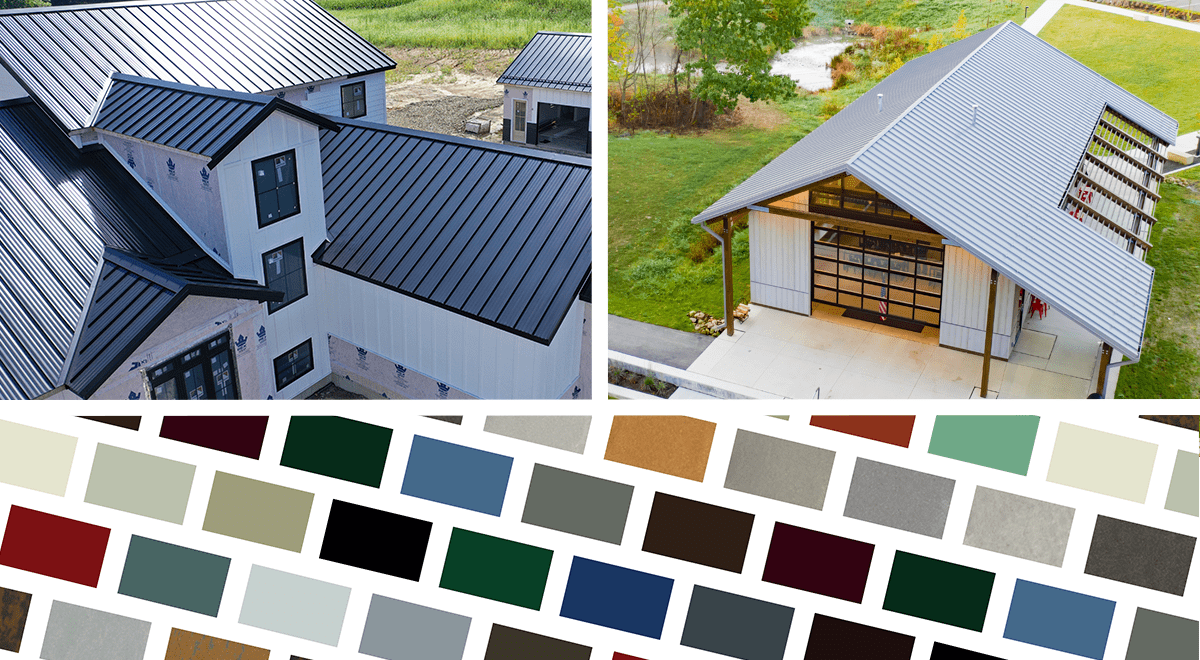
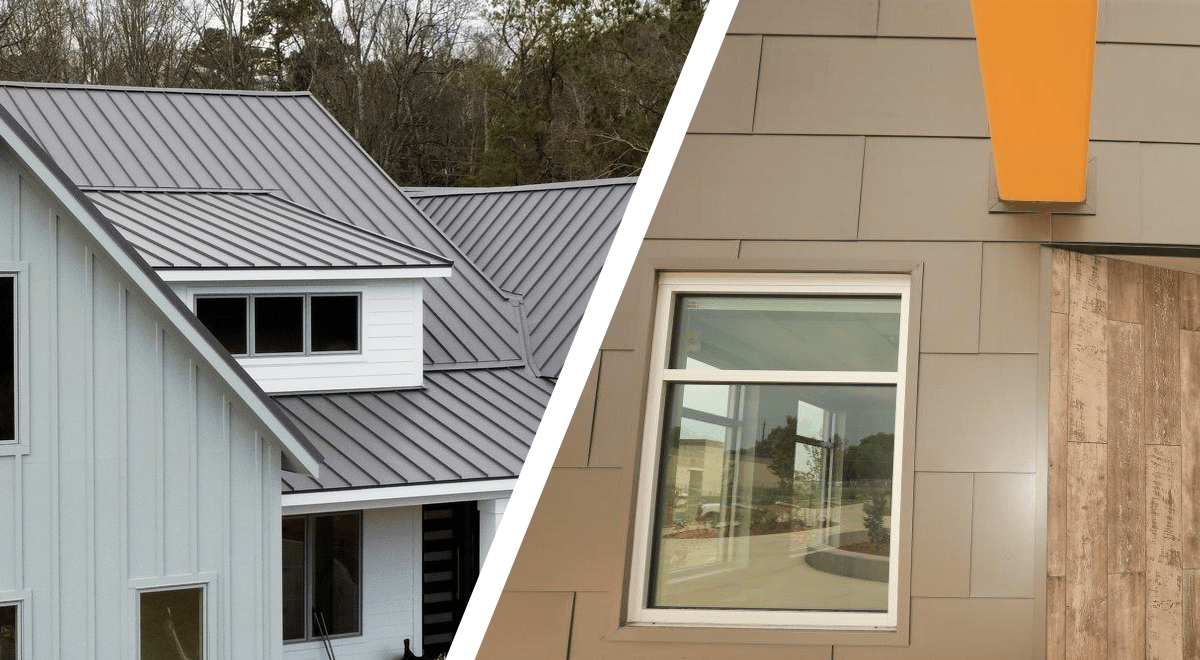
- Metal standing seam (unless historically documented)
- Bright or reflective shingles
These styles clash with the formal, temple-inspired design.
Energy Efficiency Considerations (Modern Living)
While authenticity is important, modern performance matters too.
Best Practices
- Install modern underlayment
- Use breathable roof membranes
- Add attic insulation discreetly
- Choose ENERGY STAR–rated shingles where possible
These upgrades can reduce heat loss by up to 30% without altering appearance.
Historic Preservation Guidelines
If your home is:
- In a historic district
- Listed on a local or national register
You may need approval before replacing the roof. Preservation boards typically require:
- Matching original materials
- Similar color and texture
- Traditional installation methods
Climate Considerations for Shingle Selection
Cold Climates
- Slate or architectural asphalt performs best
- Ice dam protection required
Humid Regions
- Mold-resistant shingles
- Proper ventilation
Hot Climates
- Lighter gray tones
- Reflective granules
Case Study: Greek Revival Roof Restoration
A 1840s Greek Revival home in upstate New York replaced failing wood shingles with architectural asphalt shingles designed to mimic cedar.
Results:
- 40% reduction in maintenance costs
- Improved weather resistance
- Preservation board approval granted
This shows modern materials can work when chosen carefully.
Common Mistakes Homeowners Make
- Choosing modern colors that look “too new”
- Ignoring roof pitch proportions
- Removing decorative trim
- Installing incompatible materials
These mistakes can reduce property value and historical accuracy.
What Type of Roof on a Greek Revival House Shingles: Final Recommendation
For most homeowners:
- Low-pitched gable roof
- Wood-look architectural asphalt shingles
- Neutral, muted colors
- Retain original trim and cornices
This approach balances authenticity, cost, and durability.
Learn More About Greek Revival Architecture
For historical context on this architectural style, visit:
👉 https://en.wikipedia.org/wiki/Greek_Revival_architecture
FAQ: What Type Of Roof On A Greek Revival House Shingles
Q1: What is the most authentic roof for a Greek Revival house?
A low-pitched gable roof with wood shingles is the most historically accurate choice.
Q2: Can asphalt shingles be used on Greek Revival homes?
Yes, if they mimic wood texture and use historically appropriate colors.
Q3: Are slate roofs historically correct for Greek Revival houses?
They were used in later restorations and high-end homes, making them acceptable in many cases.
Q4: What roof pitch is best for Greek Revival architecture?
A pitch between 4:12 and 6:12 maintains proper proportions.
Q5: Should I consult a preservation board before replacing my roof?
Yes, especially if your home is in a historic district.
Conclusion
Understanding what type of roof on a Greek Revival house shingles is essential for preserving both beauty and value. A low-pitched gable roof paired with historically appropriate shingles—whether wood, slate, or modern architectural asphalt—keeps the home true to its classical roots. With thoughtful material choices and attention to detail, you can honor history while enjoying modern performance.
If this guide helped you, share it on social media to support others restoring classic American homes.
Leave a Reply