Choosing which type of roofing shingles to put on your house is a major decision that affects your home’s protection, appearance, and long-term costs. Many homeowners feel overwhelmed by the number of options, prices, and durability claims. This guide breaks everything down in a clear, practical way so you can confidently choose the right shingles for your home and climate.
Why Choosing the Right Roofing Shingles Matters
Your roof is more than just a cover—it’s a critical system that protects your home from weather, improves energy efficiency, and impacts resale value.
Read too: How Long Do Standing Seam Metal Roofs Last? A Comprehensive Guide to Durability and Longevity
According to U.S. housing data, homeowners can recover up to 60–70% of a roof replacement cost in resale value, depending on material and region. Choosing the wrong shingle type, however, can lead to higher maintenance costs and premature replacement.
Key Factors to Consider Before Choosing Roofing Shingles
Before comparing shingle types, it’s important to understand what actually matters for your home.
1. Climate
- Hot climates require heat- and UV-resistant shingles
- Cold climates need impact and freeze–thaw resistance
- Coastal areas demand corrosion-resistant materials
2. Budget
Roofing costs vary widely—from affordable asphalt to premium slate or metal.
3. Roof Slope & Structure
Some shingles are too heavy for older roof framing without reinforcement.
4. Aesthetic Style
Shingles should complement your home’s architectural design.
Most Common Types of Roofing Shingles Explained
Below are the most widely used roofing shingle options in the U.S., along with real-world pros and cons.
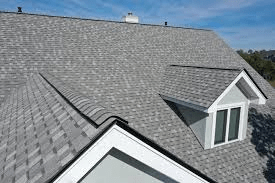
Asphalt Shingles (Most Popular Choice)
Asphalt shingles account for over 75% of residential roofs in the U.S.
Pros
- Affordable and widely available
- Easy to install and repair
- Available in many colors and styles
Cons
- Shorter lifespan than premium materials
- Can degrade faster in extreme heat
Best for
- Budget-conscious homeowners
- Moderate climates
👉 Learn more about asphalt shingles on Wikipedia:
https://en.wikipedia.org/wiki/Asphalt_shingle
Architectural (Dimensional) Asphalt Shingles
A thicker, more durable version of standard asphalt shingles.
Pros
- Better wind resistance (often rated 110–130 mph)
- Enhanced curb appeal
- Longer lifespan (25–30 years)
Cons
- Slightly higher cost than 3-tab shingles
Best for
- Homeowners wanting durability without premium pricing
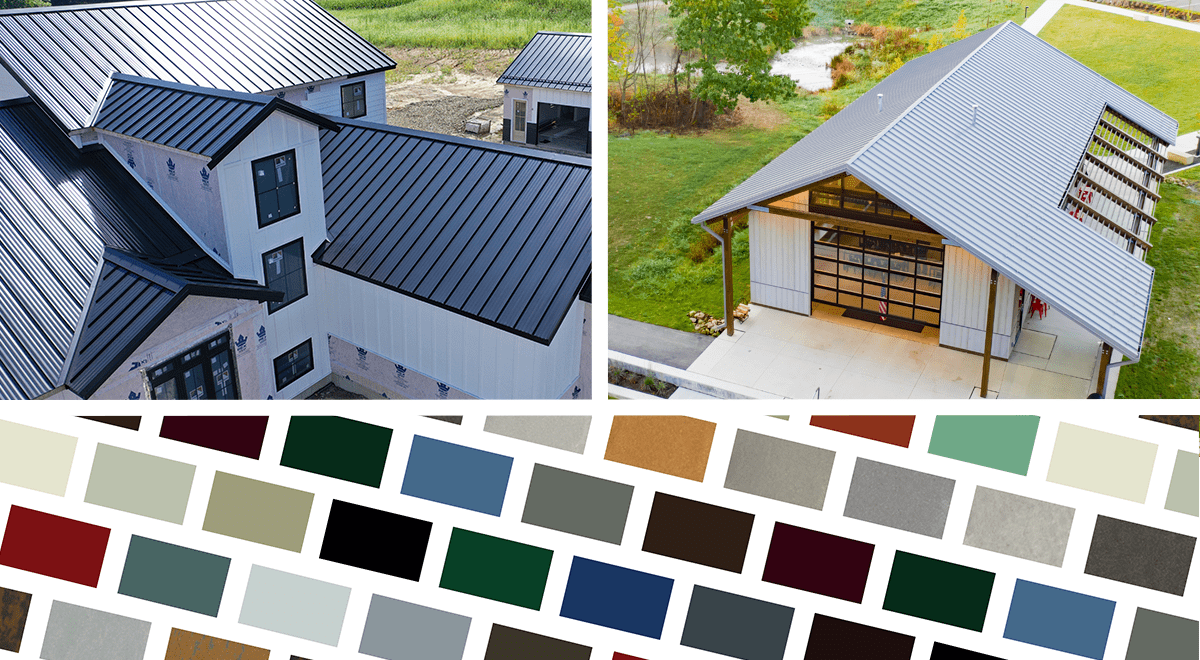
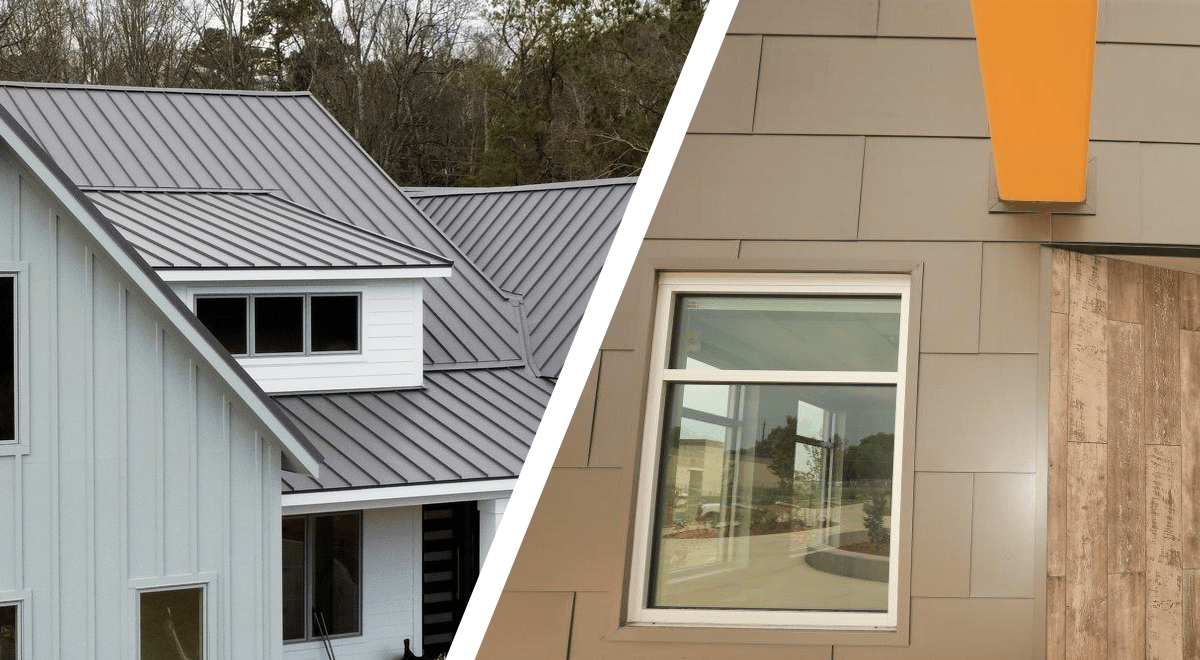
Metal Roofing Shingles
Metal shingles are growing in popularity due to longevity and energy efficiency.
Pros
- Lifespan of 40–70 years
- Reflects heat, lowering cooling costs
- Fire-resistant and lightweight
Cons
- Higher upfront cost
- Can be noisy without proper insulation
Best for
- Hot or wildfire-prone regions
- Long-term homeowners
Wood Shingles and Shakes
Typically made from cedar, redwood, or pine.
Pros
- Natural, rustic appearance
- Good insulation properties
Cons
- Requires regular maintenance
- Fire risk unless treated
- Not allowed in some regions
Best for
- Traditional or cottage-style homes
- Dry climates with fire-retardant treatment
Slate Roofing Shingles
Slate is one of the most durable roofing materials available.
Pros
- Lifespan of 75–100+ years
- Elegant, timeless appearance
- Extremely fire-resistant
Cons
- Very expensive
- Heavy—may require structural reinforcement
Best for
- Luxury homes
- Long-term investment properties
Composite (Synthetic) Shingles
Made from engineered polymers or recycled materials.
Pros
- Mimics slate or wood at lower weight
- High impact resistance
- Low maintenance
Cons
- Higher cost than asphalt
- Quality varies by manufacturer
Best for
- Homeowners wanting premium looks with modern performance
Roofing Shingle Comparison Table
| Shingle Type | Lifespan | Cost Range | Maintenance | Best Climate |
|---|---|---|---|---|
| Asphalt | 15–25 yrs | Low | Low | Mild |
| Architectural Asphalt | 25–30 yrs | Medium | Low | Windy |
| Metal | 40–70 yrs | High | Very Low | Hot / Fire-prone |
| Wood | 20–30 yrs | Medium–High | High | Dry |
| Slate | 75–100 yrs | Very High | Very Low | All |
How to Choose the Right Roofing Shingles (Step-by-Step)
If you’re still unsure which type of roofing shingles to put on your house, follow this simple decision process:
Step 1: Define Your Budget
Example:
- $5,000–$8,000 → Asphalt
- $9,000–$15,000 → Architectural or metal
- $20,000+ → Slate
Step 2: Match Your Climate
- High heat → Metal or architectural asphalt
- Heavy storms → Impact-rated shingles
- Snow & ice → Metal or composite
Step 3: Consider How Long You’ll Stay
- Short-term ownership → Asphalt
- Long-term → Metal or slate
Step 4: Check Local Codes & HOA Rules
Some materials may be restricted in your area.
Common Mistakes Homeowners Make
- Choosing based on price alone
- Ignoring climate suitability
- Overlooking structural load limits
- Skipping warranty details
Avoiding these mistakes can save thousands over the life of your roof.
FAQ: Which Type of Roofing Shingles to Put on Your House
Q1: What is the best roofing shingle for most homes?
Architectural asphalt shingles offer the best balance of cost, durability, and appearance for most U.S. homes.
Q2: Are metal shingles worth the extra cost?
Yes, if you plan to stay long-term. Lower energy bills and long lifespan often offset the upfront cost.
Q3: Which roofing shingles last the longest?
Slate shingles last the longest, often exceeding 75 years with minimal maintenance.
Q4: What shingles are best for hot climates?
Metal and reflective architectural shingles perform best in high-heat environments.
Q5: Can I install new shingles over old ones?
Sometimes, but it’s generally better to remove old shingles to avoid structural and warranty issues.
Conclusion
Deciding which type of roofing shingles to put on your house comes down to balancing budget, climate, durability, and style. Asphalt shingles remain the most popular choice, while metal and slate offer unmatched longevity for homeowners thinking long-term. By understanding your needs and avoiding common mistakes, you can choose a roof that protects your home and adds lasting value.
If this guide helped you, share it on social media so other homeowners can make smarter roofing decisions too. 🏠🔨
Leave a Reply