If you’ve been considering adding a roof between your house and detached or semi-detached garage, you’re not alone. Many homeowners explore this upgrade for practical reasons—whether it’s creating a covered walkway, expanding usable space, or improving the home’s curb appeal. But the big question is: how to add a roof between a garage and house in a way that’s safe, functional, and visually appealing?
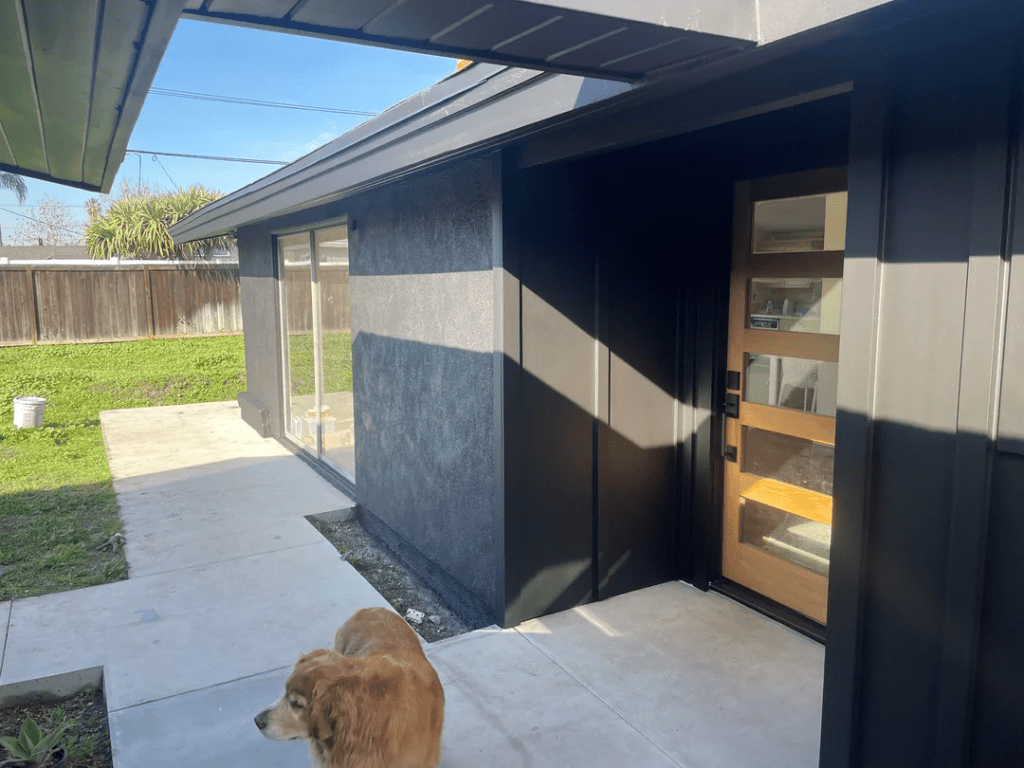
In this comprehensive guide, we’ll walk you through everything you need to know—from planning and permits to design options and structural concerns. Whether you’re a hands-on DIYer or planning to hire a professional contractor, this article provides a detailed look at the process of adding a connecting roof.
Read too: How Long Do Standing Seam Metal Roofs Last? A Comprehensive Guide to Durability and Longevity
Why Add a Roof Between a Garage and a House?
Before jumping into the how-to, it’s essential to understand the why. Here are some benefits of connecting your garage and home with a roof:
- Weather Protection: A covered walkway shields you from rain, snow, and sun while moving between the two spaces.
- Aesthetic Appeal: It can give your home a more unified and complete architectural look.
- Increased Property Value: Adds functionality and can enhance resale value if done correctly.
- Energy Efficiency: Depending on the design, it could reduce air leakage and improve overall insulation.
- Convenience: You can access your garage without needing an umbrella or winter boots.
How To Add A Roof Between A Garage And House – A Complete Process
So, how to add a roof between a garage and house safely and effectively? Follow these key steps:
1. Assess Your Existing Structure
Start by evaluating the current structures of your house and garage:
- Distance Between Buildings: Is the gap narrow enough for a single-span roof, or will you need additional support?
- Roof Styles: Check the roof pitch and alignment of both buildings. Mismatched designs can complicate integration.
- Foundation: Ensure there’s a solid foundation to anchor new posts or footings if needed.
It’s best to bring in a structural engineer or roofing contractor early in the process to assess feasibility.
2. Choose the Type of Connecting Roof
There are several roofing styles to consider when connecting a garage and house:
a. Gable Roof
- Classic and pitched design
- Great for snowy climates
- Requires alignment with existing roofs
b. Shed Roof (Lean-To)
- Slopes in one direction
- Easier to install and cost-effective
- Ideal for shorter connections
c. Flat Roof
- Modern and minimal
- Works well if headroom is limited
- Requires excellent drainage
d. Covered Walkway with Open Sides
- Like a breezeway with a roof
- Affordable and great for airflow
- Keeps you dry while maintaining outdoor visibility
Each design comes with its pros and cons depending on climate, style, and structural layout.
3. Check Building Codes and Permit Requirements
Adding a new roof between a garage and house isn’t as simple as nailing up some beams. You’ll likely need:
- Building Permits: Most municipalities require permits for any structural change.
- Zoning Approval: Local codes may restrict how close structures can be to one another or to property lines.
- HOA Approval (if applicable): Many homeowner associations have design standards.
Skipping this step could result in fines or forced removal later on, so always contact your city’s planning office before building.
4. Create Detailed Plans
Now that you’ve handled the legal side, it’s time to draw up detailed plans. Whether you’re working with an architect, designer, or doing it yourself, ensure the plans include:
- Roof pitch and materials
- Drainage system (gutters, downspouts)
- Framing and support structure
- Connection method to existing walls
- Insulation and weatherproofing (if enclosed)
5. Prepare the Site
Before construction begins, clear the work area and mark off where the supports or posts will go. If your roof will need additional footings, this is the time to dig and pour concrete bases.
Make sure utilities (gas lines, electric, plumbing) won’t interfere with the new structure.
6. Frame and Install the Roof
Now comes the building phase. The exact steps will vary depending on your chosen design, but a basic workflow includes:
- Install support posts or beams (if needed)
- Attach ledger boards to both the house and garage for roof connection
- Frame the roof with rafters or trusses
- Install roofing material, matching the house and garage style
- Add flashing where new roof connects with existing walls
- Seal and weatherproof all joints to prevent leaks
Professional contractors can complete this phase in 1–2 weeks depending on complexity.
7. Add Finishing Touches
Once the structure is in place, you may want to enhance its look and functionality:
- Add lighting fixtures
- Install gutters and drainage
- Paint or stain wood components to match existing color schemes
- Lay down pavers or a walkway beneath the roof for safer footing
If enclosed, consider insulation and ventilation to make the space more comfortable year-round.
Common Challenges When Adding a Roof Between Garage and House
Adding a roof sounds simple, but challenges can arise, including:
- Roof Height Mismatch: Aligning different roof pitches may require custom framing.
- Drainage Issues: If water isn’t directed properly, pooling or ice dams can occur.
- Structural Limits: Older homes or garages may not be able to bear the load without reinforcement.
- Permit Delays: Red tape can slow down or even halt your project.
Working with professionals from the start helps minimize these issues.
DIY or Hire a Contractor?
For those wondering if they can tackle this as a DIY project—yes, it’s possible. However, unless you have advanced carpentry and roofing experience, it’s recommended to hire a contractor for:
- Proper load calculations
- Ensuring compliance with codes
- Preventing water infiltration
- Aesthetically pleasing results
If you DIY, make sure to triple-check every connection point and water barrier. A single mistake could lead to costly roof or wall damage.
Estimated Costs of Adding a Roof Between Garage and House
Here’s a general breakdown of potential costs:
| Item | Estimated Cost |
|---|---|
| Design/Plans | $500–$1,500 |
| Permits and Fees | $100–$500 |
| Materials (roofing/lumber) | $1,500–$5,000 |
| Labor (if hiring) | $2,000–$6,000 |
| Drainage/Gutters | $300–$1,000 |
| Total (average) | $4,000–$12,000 |
Costs can vary depending on materials, labor rates, and the complexity of your layout.
Benefits of a Covered Roof Connector
To recap, here’s what you gain when you add a roof between your garage and house:
- Protection from weather
- Improved aesthetics and resale value
- Functional outdoor transition space
- Customization to fit your home’s style
- Lower energy bills if properly insulated
Tips for Successfully Completing How To Add A Roof Between A Garage And House
Here are a few final tips to ensure your how to add a roof between a garage and house project is a success:
- Always match roofing materials to maintain consistency
- Use waterproof flashing at all connection points
- Don’t forget to install gutters and downspouts
- Get professional input if unsure about structural integrity
- Check on local ordinances and setbacks before finalizing your design
Conclusion
Learning how to add a roof between a garage and house may seem like a complex process, but with the right preparation and professional help, it’s absolutely achievable. Whether you want a cozy enclosed breezeway or an open-air roof to walk between your home and garage, this upgrade adds long-term value, function, and beauty to your property.
From initial planning and permits to the final roofing nail, taking each step seriously ensures a successful build. Now that you know what it takes, you can confidently move forward with your project.

Leave a Reply