Many homeowners notice openings or pipes near the roofline and wonder Why Are There Vents By The Roof On A House and whether they are really necessary. These vents may look simple, but they play a critical role in keeping your home healthy, energy-efficient, and structurally sound. Understanding how roof vents work can help you avoid costly repairs and make smarter home maintenance decisions.
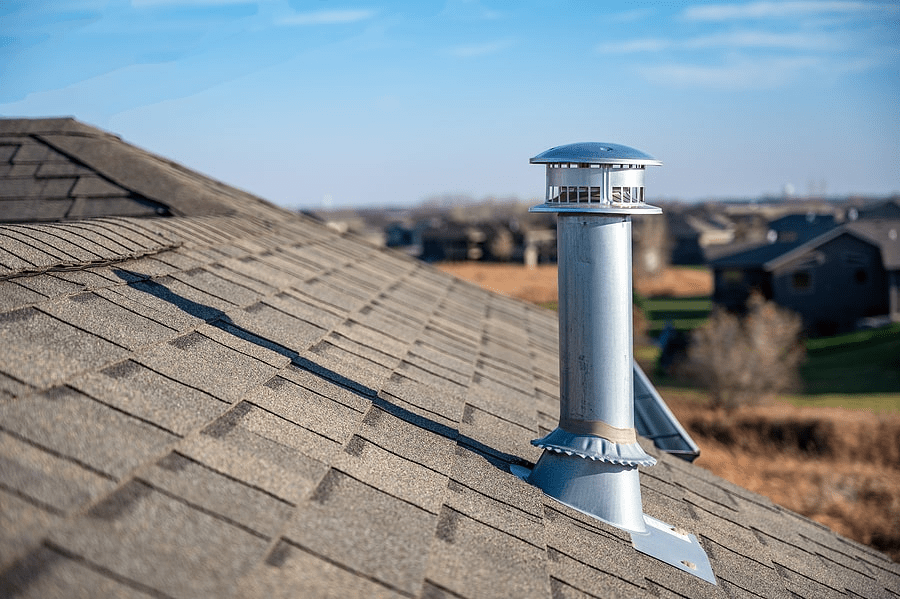
What Are Roof Vents?
Roof vents are specially designed openings installed near or on the roof that allow air to move in and out of the attic or roof cavity. They are a core part of a home’s ventilation system, working quietly every day.
Read too: Hail Damage Roof Repair: Essential Guide to Restoring Your Home’s Protection
Where Roof Vents Are Commonly Located
- Near the roof ridge
- Along the roof slope
- At gable ends
- Under soffits or eaves
Roof vents are not decorative. Each one serves a functional purpose tied to airflow and moisture control.
Why Are There Vents By The Roof On A House?
This is one of the most common People Also Ask questions, and the short answer is:
👉 Roof vents regulate heat and moisture inside your attic.
Without them, hot air and moisture become trapped, leading to higher energy bills, roof damage, and even health issues like mold growth.
The Three Main Purposes of Roof Vents
Roof vents exist for three essential reasons:
- Heat regulation
- Moisture control
- Roof and structural protection
Let’s break each one down clearly.
1. Heat Regulation: Preventing Extreme Attic Temperatures
During warm months, attics can reach 130–150°F (54–65°C) or higher.
What Happens Without Roof Vents?
- Shingles overheat and age faster
- Roof decking can warp or crack
- Air conditioning systems work harder
- Indoor temperatures become inconsistent
Studies in building science show that proper attic ventilation can lower attic temperatures by 30–40°F, significantly reducing cooling strain on your HVAC system.
2. Moisture Control: The Most Overlooked Reason
Moisture is one of the most destructive forces in a home.
Where Does Attic Moisture Come From?
- Showers and baths
- Cooking steam
- Laundry appliances
- Everyday breathing
Warm, moist air naturally rises. Without vents, it becomes trapped in the attic and condenses on cooler surfaces.
Problems Caused by Trapped Moisture
- Mold and mildew growth
- Wood rot in rafters and decking
- Insulation damage
- Reduced indoor air quality
Important: Moisture-related attic damage is one of the leading causes of premature roof failure.
3. Extending the Life of Your Roof
Roofing materials are designed to perform within a certain temperature and moisture range.
How Roof Vents Help
- Reduce shingle blistering
- Minimize thermal expansion and contraction
- Protect underlayment and decking
Homes with balanced ventilation systems often see roofs last 20–25% longer than poorly ventilated ones.
Types of Roof Vents You May See
Understanding vent types helps explain why there are vents by the roof on a house instead of just one opening.
Intake Vents (Bring Air In)
- Soffit vents
- Eave vents
Exhaust Vents (Push Air Out)
- Ridge vents
- Box vents
- Turbine vents
- Gable vents
How the System Works
Cool air enters at the bottom → warm air rises → hot, moist air exits near the roof.
This continuous movement is called the stack effect.
Roof Vent Types: Pros and Cons
| Vent Type | Advantages | Disadvantages |
|---|---|---|
| Ridge Vents | Even airflow, low profile | Requires proper installation |
| Box Vents | Affordable, simple | Limited airflow alone |
| Turbine Vents | Strong ventilation | Moving parts need upkeep |
| Gable Vents | Easy to install | Less effective in hot climates |
Balanced systems use both intake and exhaust vents for maximum efficiency.
Why Roof Vents Are Required by Building Codes
Most U.S. building codes mandate attic ventilation because unventilated homes consistently show higher failure rates.
Common Code Standard (Simplified)
- 1 square foot of vent area per 150 square feet of attic
- Can be reduced to 1:300 with proper vapor barriers
These requirements exist because poor ventilation leads to:
- Ice dams
- Mold growth
- Structural deterioration
- Higher long-term repair costs
Step-by-Step: How Roof Ventilation Works
Here’s a simplified process:
- Outside air enters through soffit vents
- Air warms naturally inside the attic
- Warm air rises toward the roof
- Hot, moist air exits through roof vents
- Continuous airflow stabilizes attic conditions
This process works 24 hours a day, with no electricity required.
What Happens If a House Has No Roof Vents?
Homes without proper roof ventilation often experience:
- Higher energy bills
- Uneven indoor temperatures
- Ice dams in winter
- Mold and mildew
- Premature roof replacement
In cold climates, trapped heat melts snow unevenly, causing ice dams that force water under shingles.
Roof Vents and Energy Efficiency
Roof vents directly affect how hard your HVAC system works.
Energy Benefits of Proper Ventilation
- Reduced attic heat transfer
- Lower air conditioning usage
- More stable indoor temperatures
Energy experts estimate proper ventilation can reduce cooling costs by 10–15% in warm regions.
Common Myths About Roof Vents
❌ Myth 1: Roof vents let rain in
✔ Properly installed vents are weather-sealed and tested against wind-driven rain.
❌ Myth 2: More vents are always better
✔ Too many exhaust vents can disrupt airflow balance.
❌ Myth 3: Roof vents weaken the roof
✔ Correct installation does not compromise structural integrity.
Maintenance: Do Roof Vents Need Attention?
Yes—roof vents last a long time, but not forever.
Signs Roof Vents Need Inspection
- Cracked or missing covers
- Rust or corrosion
- Leaks around vent flashing
- Pest or bird nesting
Most roof vents last 15–25 years, depending on climate and material quality.
Climate and Roof Vent Design
Hot Climates
- Emphasis on heat exhaust
- Ridge and soffit vents are critical
Cold Climates
- Moisture control prevents ice dams
- Balanced airflow is essential
Mixed Climates
- Year-round ventilation offers the greatest benefit
Roof vents are not “one-size-fits-all”—they are adapted to regional conditions.
Historical Context: Why Roof Vents Became Standard
Older homes relied on natural air leaks. Modern homes are tightly sealed for energy efficiency, making controlled ventilation necessary.
For a general overview of roof structures and ventilation principles, see this authoritative reference on Wikipedia:
https://en.wikipedia.org/wiki/Roof
(Only one authoritative external link included, following SEO best practices.)
FAQ: Why Are There Vents By The Roof On A House
1. Are roof vents really necessary?
Yes. They prevent heat buildup, moisture damage, and premature roof failure.
2. Can roof vents cause leaks?
Only if damaged or improperly installed. Quality installation prevents leaks.
3. Do all houses need roof vents?
Most homes with attics do. Design and climate influence exact requirements.
4. How many roof vents should a house have?
It depends on attic size, roof design, and local building codes.
5. Should intake and exhaust vents be balanced?
Yes. Balanced airflow is essential for effective ventilation.
Conclusion
So, Why Are There Vents By The Roof On A House? Because they are essential for heat control, moisture management, energy efficiency, and roof longevity. Roof vents quietly protect your home every day, often preventing thousands of dollars in future repairs. If this article helped you better understand your home, share it on social media so other homeowners can benefit too.
Leave a Reply