If you’ve ever stepped inside a traditional cottage on a hot day, you may have wondered: Why Do Houses With Thatched Roofs Keep Cool in Summer? At a time when modern homes rely heavily on air conditioning, thatched houses often feel surprisingly comfortable—even during intense heat.
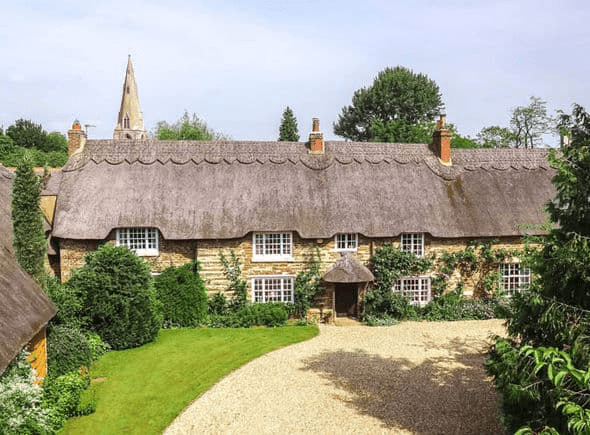
This article explains how thatched roofs naturally regulate temperature, why they stay cool in summer, and what modern homeowners can learn from this centuries-old building technique.
Read too: How To Replace Roof Shingles That Blew Off: A Comprehensive Guide
Why Do Houses With Thatched Roofs Keep Cool in Summer Naturally?
The primary reason houses with thatched roofs stay cool is natural thermal regulation. Thatch is not a single solid material—it’s a layered roofing system made from natural fibers like straw, reed, or palm leaves.
These layers:
- Trap air pockets
- Slow down heat transfer
- Allow warm air to escape gradually
Unlike metal or asphalt roofs that absorb and radiate heat, thatch blocks heat from entering the living space in the first place.
What Is a Thatched Roof Made Of?
Thatched roofs are typically constructed using:
- Water reed
- Straw
- Rushes or palm leaves (in tropical regions)
These materials are tightly packed in thick layers—often 30–40 cm (12–16 inches) deep.
According to Wikipedia, thatching has been used for thousands of years across Europe, Asia, and Africa because of its durability and insulation properties.
How Thatch Acts as a Natural Insulator
Air Pockets = Cooling Power
The key to cooling lies in trapped air.
Air is a poor conductor of heat. When air is locked between layers of thatch:
- Heat transfer slows dramatically
- Indoor temperatures remain stable
- Sudden heat spikes are reduced
Studies on natural insulation materials show that thick organic roofing can reduce heat penetration by up to 60% compared to thin modern roofing materials.
Why Thatch Performs Better Than Modern Roofing in Summer
Heat Absorption Comparison
| Roof Type | Heat Absorption | Indoor Cooling Effect |
|---|---|---|
| Metal roof | Very high | Poor |
| Asphalt shingles | High | Moderate |
| Concrete tiles | Medium | Moderate |
| Thatched roof | Low | Excellent |
Thatched roofs reflect and dissipate heat gradually, instead of absorbing it quickly like metal or asphalt.
How Ventilation Works in Thatched Roof Houses
Another reason people ask why do houses with thatched roofs keep cool in summer is ventilation.
Natural Breathability
Thatch is breathable:
- Warm air rises and escapes through tiny gaps
- Cooler air is drawn inside naturally
- Moisture doesn’t get trapped
This creates a passive cooling cycle, similar to modern ventilation systems—without electricity.
Why Thick Roof Design Matters
Modern roofs are often thin and compact. Thatch, on the other hand, is intentionally thick.
Thickness Benefits
- Delays heat transfer by several hours
- Keeps interiors cool during peak afternoon heat
- Releases stored warmth slowly at night
This means that even on days where outdoor temperatures exceed 95°F (35°C), indoor spaces remain comfortable.
The Role of Thermal Lag in Thatched Roofs
Thermal lag refers to the time it takes for heat to move from outside to inside.
Thatched roofs can have a thermal lag of 6–8 hours, compared to:
- 1–2 hours for metal roofs
- 2–3 hours for asphalt shingles
By the time heat penetrates the roof, outdoor temperatures have already dropped.
Why Thatched Roofs Work Especially Well in Hot Climates
Thatched roofs evolved in regions with:
- Strong sunlight
- High daytime temperatures
- Limited access to modern cooling
In tropical and Mediterranean climates, thatch:
- Prevents overheating
- Reduces indoor humidity
- Improves nighttime comfort
This is why many eco-resorts and sustainable homes still use thatch today.
Are Thatched Roofs Cooler Than Air-Conditioned Homes?
Not cooler—but more stable.
Key Difference
- Air conditioning cools quickly but consumes energy
- Thatched roofs cool slowly but sustainably
Homes with thatched roofs often maintain indoor temperatures between 72–78°F (22–26°C) without mechanical cooling.
Pros and Cons of Thatched Roofs in Summer
Advantages
- Excellent natural insulation
- Low indoor temperature fluctuations
- No electricity required
- Environmentally friendly
Disadvantages
- Higher maintenance
- Fire risk if untreated
- Not suitable for all climates
Can Modern Homes Copy the Cooling Effect of Thatch?
Yes—many modern designs borrow ideas from thatch roofing.
Modern Alternatives
- Green roofs
- Multi-layer insulation systems
- Ventilated roof cavities
However, few materials replicate the combined insulation + ventilation performance of traditional thatch.
Step-by-Step: How Thatch Keeps Homes Cool During the Day
- Morning: Roof remains cool due to overnight heat release
- Midday: Thick layers block direct heat penetration
- Afternoon: Air pockets slow heat transfer
- Evening: Stored heat dissipates harmlessly
- Night: Cool air replaces warm air naturally
Environmental Benefits of Thatched Roof Cooling
Because they reduce reliance on air conditioning, thatched roofs:
- Lower energy consumption
- Reduce carbon emissions
- Support sustainable living
In hot regions, cooling accounts for up to 40% of household energy use—a problem that thatched roofs help solve naturally.
FAQ: Thatched Roofs and Summer Cooling
Q1: Why do houses with thatched roofs keep cool in summer better than modern homes?
Because thatch provides thick natural insulation and excellent ventilation, preventing heat buildup.
Q2: Do thatched roofs work in extremely hot climates?
Yes. They are especially effective in hot, dry, and tropical regions.
Q3: Can thatched roofs replace air conditioning completely?
In moderate climates, yes. In extreme heat, they significantly reduce cooling needs.
Q4: Are thatched roofs still used today?
Absolutely. Many eco-homes, resorts, and heritage buildings still use them.
Q5: How long do thatched roofs last?
With proper maintenance, a thatched roof can last 30–50 years.
Conclusion
So, why do houses with thatched roofs keep cool in summer? The answer lies in natural insulation, breathable materials, thick design, and smart airflow—a perfect example of how traditional architecture solves modern problems.
As energy costs rise and sustainability becomes essential, thatched roofs remind us that sometimes the best solutions are the oldest ones.
👉 If this article helped you, share it on social media and inspire others to learn from nature-driven design.
Leave a Reply