If you’ve ever driven through neighborhoods in Arizona, you may have noticed a clear pattern: tile roofs everywhere. Many homeowners ask, “Why Do They Use Tile On House Roofs In AZ?” The answer goes far beyond looks—Arizona’s extreme climate, energy needs, and long-term cost considerations all play a role.
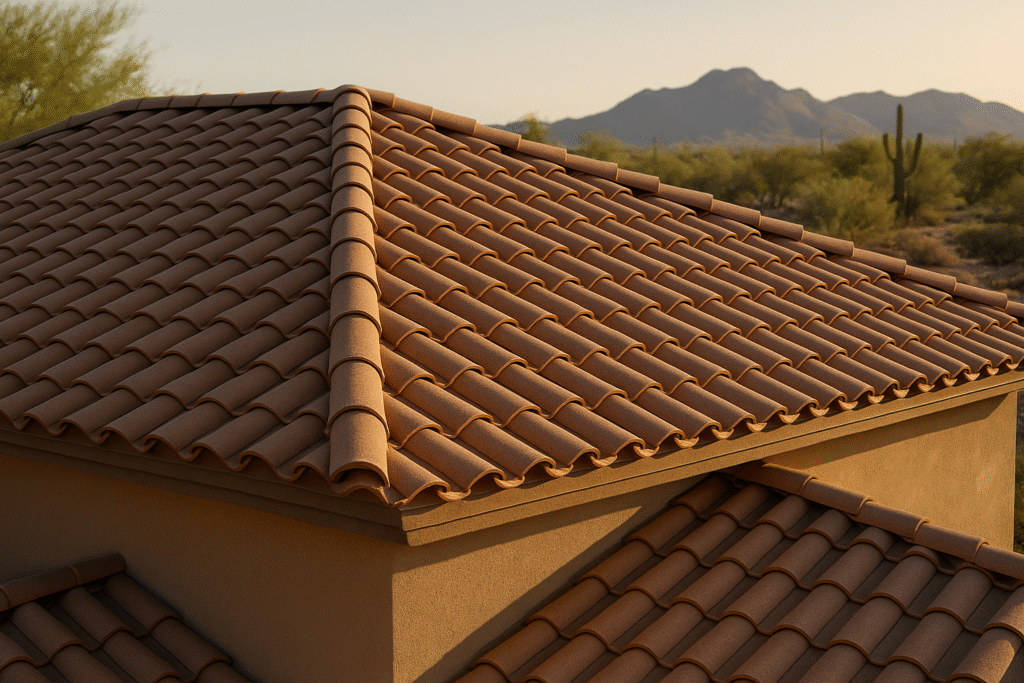
In this guide, we’ll break down exactly why tile roofing dominates Arizona, using data, expert insights, and practical comparisons to help you understand whether this roofing choice makes sense.
Read too: How Long Do Standing Seam Metal Roofs Last? A Comprehensive Guide to Durability and Longevity
Why Do They Use Tile On House Roofs In AZ So Often?
Tile roofs aren’t a coincidence in Arizona—they’re a strategic response to the desert environment. Arizona experiences intense sun, high summer temperatures, low humidity, and seasonal monsoon storms. Tile roofing materials are uniquely suited to handle these conditions better than most alternatives.
In short, tile roofs last longer, perform better in heat, and help homes stay cooler, which is why builders and homeowners consistently choose them.
How Arizona’s Climate Influences Roofing Choices
Arizona’s climate is one of the harshest in the U.S. Roofs must withstand:
- Extreme heat (often above 110°F / 43°C)
- Intense UV exposure
- Low annual rainfall but sudden heavy monsoons
- Dust storms and strong winds
As noted in climate data for Arizona, roofing materials must be heat-resistant and low-maintenance to survive decades of exposure.
Tile roofs excel in these conditions because they don’t warp, rot, or degrade quickly under UV radiation, unlike asphalt shingles.
What Types of Tile Roofs Are Common in Arizona?
Arizona homes typically use three main tile types, each with specific advantages:
1. Clay Tile Roofs
- Made from natural clay
- Extremely heat-resistant
- Classic Southwest and Spanish-style look
- Lifespan: 50–100 years
2. Concrete Tile Roofs
- More affordable than clay
- Very durable and impact-resistant
- Available in multiple colors and profiles
- Lifespan: 40–75 years
3. Sand-Cast or Mission Tiles
- Thicker profile for added insulation
- Popular in upscale or custom homes
- Excellent thermal mass properties
According to general construction data summarized on Wikipedia, roof tiles have been used for centuries due to their fire resistance and durability. You can read more about tile roofing materials on Wikipedia for broader historical context.
Are Tile Roofs Better for Extreme Heat?
Yes—this is one of the main reasons they use tile on house roofs in AZ.
Tile roofs have high thermal mass, which means they absorb heat slowly during the day and release it gradually at night. This helps reduce indoor temperature spikes.
Energy Efficiency Benefits:
- Reduces attic heat buildup
- Lowers air conditioning demand
- Helps stabilize indoor temperatures
Studies in hot climates show that tile roofs can reduce cooling energy use by 5–15%, depending on insulation and installation quality.
Tile Roofs vs Asphalt Shingles in Arizona
Comparison Table: Tile vs Asphalt in AZ
| Feature | Tile Roof | Asphalt Shingles |
|---|---|---|
| Lifespan | 40–100 years | 15–25 years |
| Heat Resistance | Excellent | Poor–Moderate |
| Energy Efficiency | High | Low |
| Fire Resistance | Class A | Class A–C |
| Maintenance | Low | Moderate |
| Cost (Upfront) | Higher | Lower |
While asphalt shingles cost less initially, tile roofs often cost less over time due to their longevity and reduced energy bills.
How Tile Roofs Improve Home Energy Efficiency
Tile roofing creates a natural ventilation gap between the tile and the roof deck. This airflow helps:
- Vent hot air
- Reduce heat transfer
- Protect underlayment from UV damage
In Arizona’s climate, this passive cooling effect is invaluable. Many homeowners report lower summer electricity bills after switching from shingles to tile.
Are Tile Roofs More Durable During Monsoon Season?
Arizona’s monsoon season brings sudden, heavy rainfall and strong winds. Tile roofs perform well because:
- Individual tiles interlock securely
- Materials are water-resistant
- Tiles don’t absorb moisture like wood
Properly installed tile roofs can withstand wind speeds up to 150 mph, making them ideal for storm-prone desert regions.
Fire Resistance: A Critical Factor in Arizona Homes
Wildfires are a real concern in Arizona, especially near desert and mountain areas. Tile roofs are naturally fire-resistant:
- Non-combustible materials
- Rated Class A for fire safety
- Prevent embers from igniting the roof
This fire resistance can also lower homeowner insurance premiums in some areas.
Do Tile Roofs Increase Home Value in Arizona?
Yes. In Arizona real estate markets, tile roofs are often viewed as a premium feature.
Added Value Includes:
- Longer roof lifespan
- Better curb appeal
- Lower long-term maintenance
- Higher buyer confidence
Many buyers associate tile roofs with quality construction and desert-appropriate design, which can improve resale value.
Cost Breakdown: Are Tile Roofs Worth the Investment?
Typical Costs in Arizona:
- Tile Roof Installation: $8–$15 per square foot
- Asphalt Shingles: $4–$7 per square foot
While tile roofs cost more upfront, their lifespan is often 2–4 times longer, making them more economical long term.
Common Misconceptions About Tile Roofs
“Tile roofs are too heavy.”
Modern homes in Arizona are engineered to support tile roofing loads safely.
“They crack easily.”
Individual tiles can crack if walked on improperly, but replacements are simple and inexpensive.
“They require constant maintenance.”
In reality, tile roofs require less maintenance than shingles.
FAQ: Why Do They Use Tile On House Roofs In AZ?
Why are tile roofs so popular in Arizona?
Tile roofs handle extreme heat, resist fire, last decades, and improve energy efficiency—perfect for Arizona’s climate.
Do tile roofs keep homes cooler?
Yes. Their thermal mass and ventilation design reduce heat transfer and lower cooling costs.
Are tile roofs better than shingles in AZ?
For long-term performance and durability, tile roofs outperform asphalt shingles in Arizona.
How long do tile roofs last in Arizona?
Most tile roofs last 40–100 years, depending on material and maintenance.
Are tile roofs expensive to repair?
Individual tiles are affordable to replace, and repairs are usually localized.
Can tile roofs handle Arizona monsoons?
Yes. Properly installed tile roofs resist heavy rain, wind, and debris effectively.
Conclusion
So, why do they use tile on house roofs in AZ? Because tile roofs are perfectly matched to Arizona’s desert climate. They offer superior heat resistance, energy efficiency, fire safety, durability, and long-term value—making them a smart investment for homeowners.
If you found this guide helpful, share it with friends or family considering roofing options in Arizona. The right roof makes all the difference in comfort, safety, and savings.
Leave a Reply