If you’re planning to build or replace a roof, one of the first questions you’ll likely ask is: What Is The Standard Roof Pitch For A House? Choosing the right roof pitch isn’t just about appearance—it affects durability, drainage, material costs, and even energy efficiency.
Whether you’re a homeowner, investor, or DIY enthusiast, understanding roof pitch will help you make smarter decisions and avoid costly mistakes.
What Is The Standard Roof Pitch For A House?
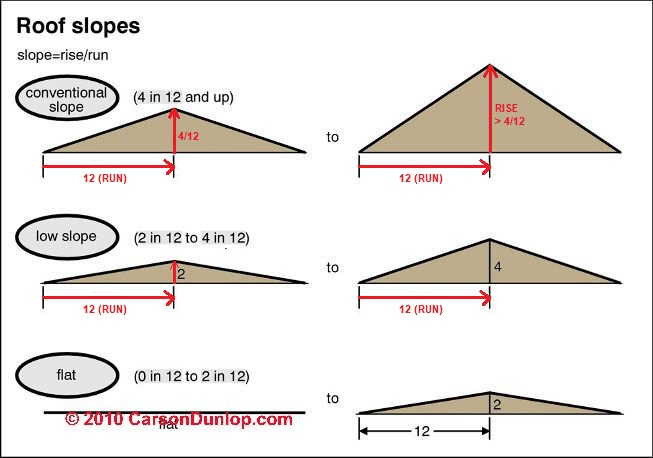
The standard roof pitch for most residential homes in the United States typically falls between 4:12 and 9:12.
That means:
- A 4:12 pitch rises 4 inches vertically for every 12 inches horizontally.
- A 9:12 pitch rises 9 inches vertically for every 12 inches horizontally.
Read too: Hail Damage Roof Repair: Essential Guide to Restoring Your Home’s Protection
Among these, 6:12 is often considered the most common “standard” roof pitch for American homes because it provides a balance between drainage, aesthetics, and construction cost.
For a deeper understanding of slope ratios, you can review the definition of roof pitch on Wikipedia:
https://en.wikipedia.org/wiki/Roof_pitch
How Is Roof Pitch Calculated?
Roof pitch is expressed as a ratio (rise over run). Here’s how to calculate it step by step:
Step-by-Step Guide to Measuring Roof Pitch
Tools Needed:
- 24-inch level
- Tape measure
- Pencil
- Notepad
Step 1: Position the Level
Place the level horizontally on the roof surface.
Step 2: Measure 12 Inches
Mark the 12-inch point along the level (horizontal run).
Step 3: Measure Vertical Rise
From the 12-inch mark, measure vertically down to the roof surface.
Step 4: Record the Measurement
If the vertical rise is 6 inches, your pitch is 6:12.
This method works for existing roofs. For new construction, architects calculate pitch during the design phase using structural plans.
Why Does Roof Pitch Matter?
Understanding What Is The Standard Roof Pitch For A House is critical because roof pitch directly impacts:
- Water drainage
- Snow load resistance
- Attic ventilation
- Energy efficiency
- Material compatibility
- Installation cost
Let’s break these down.
How Roof Pitch Affects Water Drainage
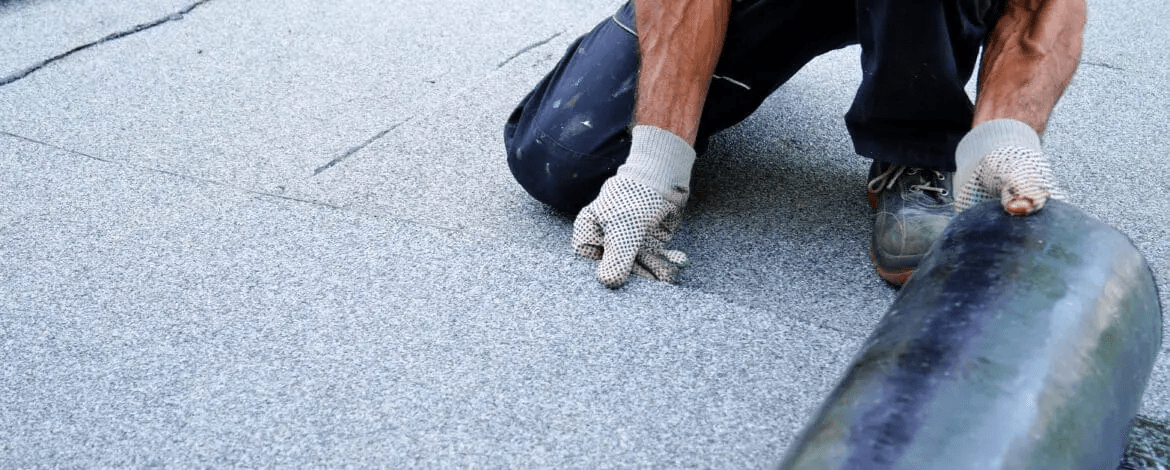
Roofs with pitches below 3:12 are considered low-slope roofs. These are more prone to water pooling.
According to the International Residential Code (IRC), asphalt shingles generally require a minimum slope of 2:12, but 4:12 or higher performs significantly better in heavy rain climates.
In regions with frequent rainfall (like parts of the Pacific Northwest), steeper pitches reduce moisture damage and extend roof lifespan.
What Is Considered a Low, Standard, and Steep Roof Pitch?
Here’s a helpful comparison:
| Category | Pitch Range | Common Use |
|---|---|---|
| Low Slope | 2:12 – 3:12 | Modern homes, commercial buildings |
| Standard | 4:12 – 9:12 | Most US residential homes |
| Steep | 10:12 – 12:12+ | Victorian, Gothic, snow-prone regions |
Quick Insight:
- 4:12–6:12 = Most economical and easiest to install.
- 8:12+ = Higher labor costs due to safety requirements.
What Is the Most Common Roof Pitch in the US?
Industry data from major roofing contractors suggests:
- 6:12 pitch is the most commonly used slope in suburban American homes.
- Approximately 65–70% of new residential constructions fall within 5:12 to 8:12 range.
Why? Because it:
✔ Drains water efficiently
✔ Supports asphalt shingles well
✔ Looks proportionate on most home styles
✔ Doesn’t drastically increase labor costs
How Climate Influences Standard Roof Pitch
Climate plays a major role in determining roof pitch.
Snowy Regions (Colorado, Minnesota)
Steeper roofs (8:12 to 12:12) help snow slide off, reducing structural load.
Rainy Regions (Washington, Oregon)
Moderate slopes (5:12 to 8:12) prevent water accumulation.
Hot & Dry Regions (Arizona, Nevada)
Lower slopes (4:12 to 6:12) are common, especially with tile roofing.
Hurricane Zones (Florida, Gulf Coast)
Research from the Insurance Institute for Business & Home Safety (IBHS) shows that moderate pitches between 4:12 and 7:12 perform best in high winds. Extremely steep roofs may experience uplift pressure.
Roof Pitch and Roofing Materials Compatibility
Not all roofing materials work with every pitch.
| Roofing Material | Minimum Recommended Pitch |
|---|---|
| Asphalt Shingles | 2:12 (4:12 preferred) |
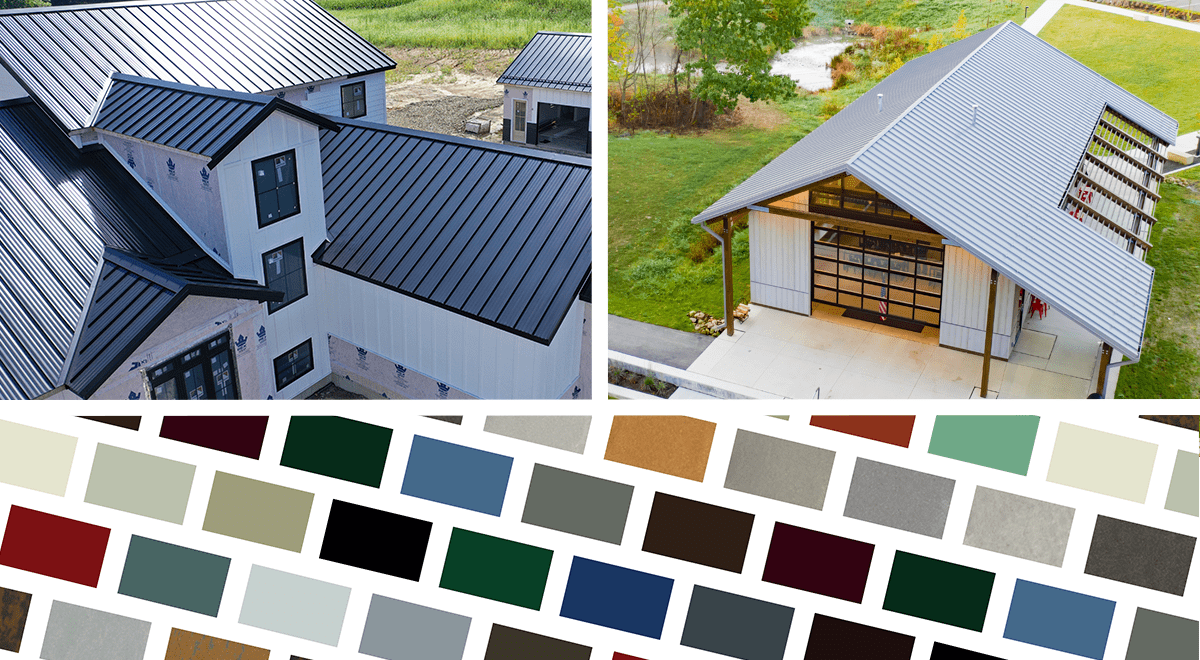
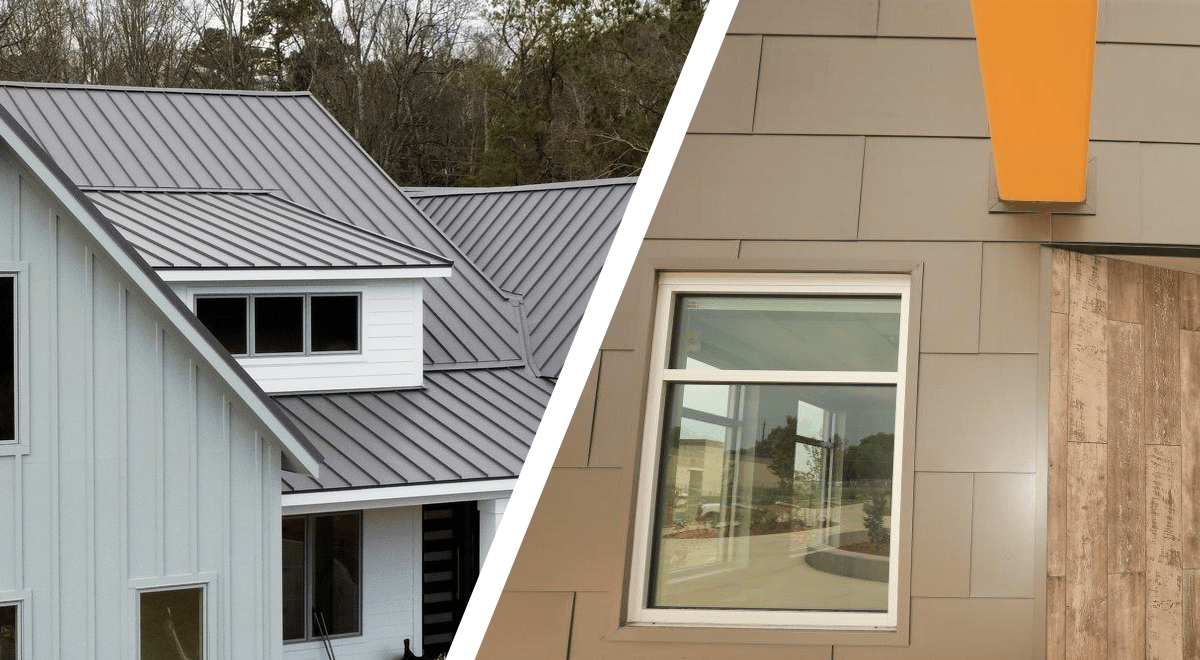
| Metal Roofing | 3:12 (some systems lower) |
| Clay/Concrete Tile | 4:12 |
| Slate | 4:12–8:12 |
| Wood Shingles | 4:12+ |
Choosing the wrong pitch for your material can void manufacturer warranties.
Pros and Cons: Low vs Standard vs Steep Roof Pitch
Low Pitch (2:12–3:12)
Advantages:
- Lower material costs
- Modern appearance
- Easier access for maintenance
Disadvantages:
- Higher leak risk
- Limited material options
- May require special waterproof membranes
Standard Pitch (4:12–9:12)
Advantages:
- Excellent drainage
- Cost-effective
- Compatible with most materials
- Balanced aesthetic
Disadvantages:
- Slightly higher framing cost than low slope
Steep Pitch (10:12+)
Advantages:
- Ideal for snow shedding
- Dramatic curb appeal
- Better attic space potential
Disadvantages:
- Higher labor cost
- Safety equipment required
- Increased material usage
How Roof Pitch Affects Construction Costs
Roof pitch directly impacts:
- Labor time
- Safety requirements
- Material quantity
- Structural framing complexity
Cost Breakdown Example
For a 2,000 sq ft roof:
- 4:12 pitch → Baseline cost
- 6:12 pitch → +5–10% labor cost
- 10:12 pitch → +20–30% labor cost
Steeper roofs require harness systems, scaffolding, and longer installation times.
Does Roof Pitch Affect Home Value?
Yes.
Homes with well-proportioned roof pitches often:
- Have better curb appeal
- Provide attic conversion potential
- Improve drainage longevity
According to real estate market studies, homes with visually appealing rooflines tend to sell faster in suburban markets.
However, resale value depends more on overall roof condition than pitch alone.
What Roof Pitch Is Best for Solar Panels?
Solar installation companies generally prefer:
- 30° to 40° angle
- Equivalent to roughly 7:12 to 10:12 pitch
This angle maximizes sun exposure in most US latitudes.
Lower slopes may require tilt racks, increasing installation cost.
Can You Change Roof Pitch During Renovation?
Yes, but it’s expensive.
Changing roof pitch requires:
- Removing roofing materials
- Rebuilding trusses or rafters
- Structural engineering approval
- Updated building permits
Cost can range from $15,000 to $50,000+ depending on home size.
Unless structurally necessary, most homeowners keep the existing pitch.
FAQ Section
1. What is the standard roof pitch for a house in the US?
The most common standard roof pitch is 6:12, though most residential homes fall between 4:12 and 9:12.
2. Is 4:12 roof pitch good enough?
Yes. A 4:12 pitch provides adequate drainage and is widely used in residential construction.
3. What roof pitch is best for heavy snow?
A pitch between 8:12 and 12:12 is ideal for snow-heavy climates because it allows snow to slide off naturally.
4. What is the minimum roof pitch for shingles?
Most asphalt shingles require at least 2:12, but 4:12 or higher performs better and lasts longer.
5. Does roof pitch affect insurance rates?
In some cases, yes. Steeper roofs may increase replacement cost but can perform better against water damage. Insurers assess risk based on region and structure.
6. How do I know my roof pitch without climbing?
You can measure it from inside your attic using a level and tape measure along a rafter.
Conclusion
So, What Is The Standard Roof Pitch For A House?
For most American homes, the sweet spot is between 4:12 and 9:12, with 6:12 being the most common and versatile choice. It balances cost, performance, durability, and visual appeal.
Before choosing a roof pitch, consider:
- Your local climate
- Roofing material
- Budget
- Long-term maintenance
- Solar panel plans
Making the right decision now can save you thousands in repairs and improve your home’s structural longevity.
If you found this guide helpful, share it on social media to help other homeowners make informed roofing decisions.
Leave a Reply