Choosing the Best Time To Put A Roof On A House can save you thousands of dollars, prevent installation issues, and extend the lifespan of your new roof. Many homeowners wait until a leak appears—but timing your project strategically makes a major difference.
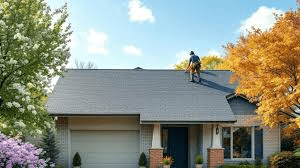
In this complete guide, you’ll learn which season is best, how weather affects shingles, and how to plan your roof installation the smart way.
Best Time To Put A Roof On A House: What Season Is Ideal?
The Best Time To Put A Roof On A House is typically late spring through early fall, especially when temperatures stay between 45°F and 85°F.
Read too: Hail Damage Roof Repair: Essential Guide to Restoring Your Home’s Protection
Why?
Roofing materials—especially asphalt shingles—require moderate temperatures to seal properly. According to roofing industry standards, shingles need warmth to activate their adhesive strip.
You can learn more about roofing material basics here:
https://en.wikipedia.org/wiki/Roof
Let’s break it down by season.
Is Fall the Best Time To Put A Roof On A House?
For many contractors, fall is the ideal roofing season.
Why Fall Works So Well:
- Mild temperatures (50–70°F)
- Lower humidity
- Stable weather patterns
- Proper shingle sealing conditions
Benefits of Fall Installation:
- Strong adhesive bonding
- Reduced risk of overheating crews
- Optimal curing conditions
Many roofing companies report that September and October are their busiest months.
However, higher demand can mean:
- Longer scheduling delays
- Slightly higher pricing
Is Summer a Good Time for Roof Replacement?
Summer is popular—but not always ideal.
Pros:
- Long daylight hours
- Fast project completion
- Easier scheduling in early summer
Cons:
- Extreme heat can soften shingles
- Roofing crews may face heat stress
- Materials can become overly flexible above 90°F
When temperatures exceed 95°F, asphalt shingles can scuff easily during installation.
If you choose summer, aim for early morning installation.
What About Spring Roofing Projects?
Spring can be excellent—if weather cooperates.
Spring Advantages:
- Moderate temperatures
- Pre-summer storm protection
- Contractor availability in early season
Spring Risks:
- Rain delays
- Unpredictable storms
- High humidity in some regions
If installing in spring, plan for weather flexibility.
Is Winter the Worst Time To Put A Roof On A House?
Winter roofing is possible—but not ideal in cold climates.
Why Cold Weather Is Challenging:
- Shingles become brittle below 40°F
- Adhesive strips may not seal properly
- Ice creates safety hazards
Professional contractors can hand-seal shingles in cold weather, but it increases labor time and cost.
That said, winter may offer:
- Lower prices
- Faster scheduling
- Contractor discounts
How Temperature Affects Roofing Materials
Asphalt shingles rely on thermal activation.
Ideal Installation Temperature:
45°F to 85°F
Below 40°F:
- Shingles may crack
- Seal strips fail to bond
Above 90°F:
- Shingles become too pliable
- Surface damage risk increases
Metal roofing and tile roofing are less temperature-sensitive.
Regional Differences Matter
The best time depends heavily on location.
Northern U.S. (Cold Winters)
Best window: Late spring to early fall
Southern U.S. (Hot Summers)
Best window: Late fall to early spring
Hurricane Zones
Install well before storm season begins.
Always check your regional climate patterns.
Does Roofing Cost Change by Season?
Yes.
Roofing demand fluctuates throughout the year.
| Season | Demand Level | Price Trend |
|---|---|---|
| Fall | Very High | Higher |
| Summer | High | Moderate |
| Spring | Medium | Moderate |
| Winter | Low | Potential Discounts |
Contractors may offer off-season savings of 5–15% during slower months.
Should You Wait for the “Perfect” Season?
Not always.
If your roof shows:
- Active leaks
- Missing shingles
- Sagging sections
- Water stains inside
You shouldn’t delay.
Roof damage can worsen quickly and increase total repair cost by thousands.
Step-by-Step: Planning Your Roof Installation
Here’s how to time your project correctly.
Step 1: Inspect Your Roof Early
Look for:
- Curling shingles
- Granule loss
- Moss growth
- Damaged flashing
If roof age exceeds 15–20 years, start planning replacement.
Step 2: Get Multiple Estimates
Contact at least 3 licensed contractors.
Compare:
- Material types
- Warranty length
- Installation timeline
- Total cost
Step 3: Check Weather Forecast
Plan installation during:
- 3–5 consecutive dry days
- Temperatures above 45°F
- Low wind speeds
Wind over 15–20 mph can delay installation.
Step 4: Prepare Your Home
Before installation:
- Move vehicles away
- Protect attic belongings
- Remove wall decorations
- Inform neighbors
Most residential roofs take 1–3 days to install.
Roofing Material Choice & Timing
Different materials respond differently to weather.
Asphalt Shingles
Most temperature-sensitive
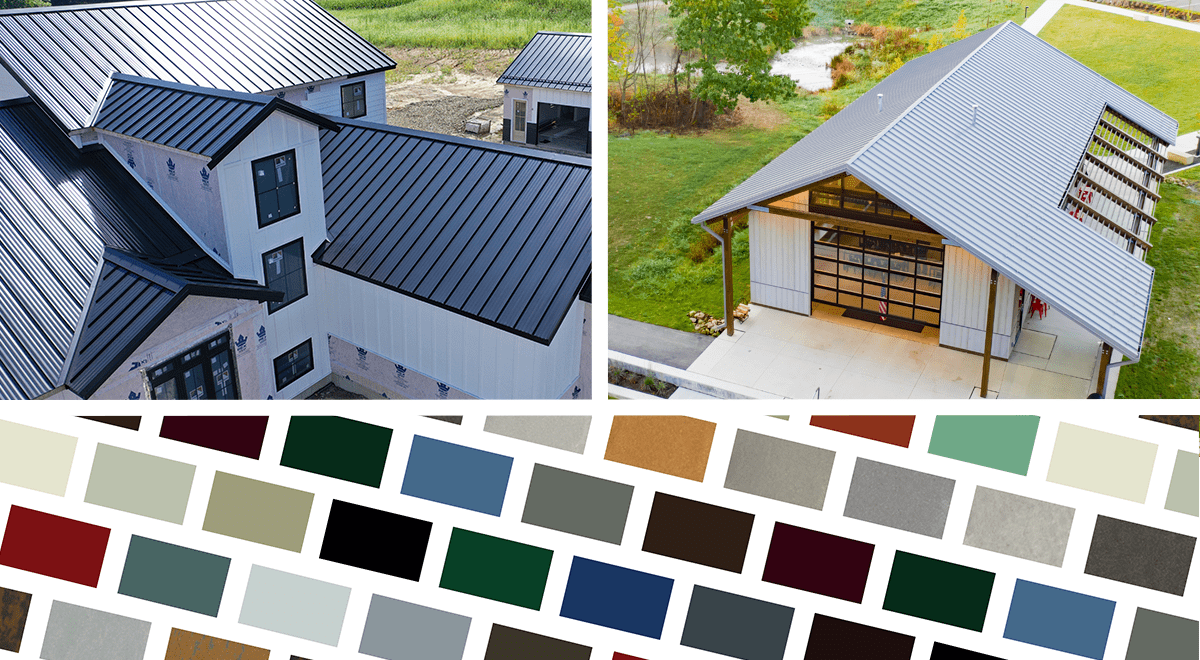
Metal Roofing
Can be installed year-round
Clay or Concrete Tile
Heavy but less weather-sensitive
Synthetic Roofing
Moderate temperature flexibility
Choosing the right material affects timing flexibility.
Real Case Example
A homeowner in Illinois delayed roof replacement until early November. A surprise snowstorm interrupted installation halfway through.
Result:
- Tarp coverage required
- Extra labor charges
- 10-day project delay
Lesson: Plan earlier than you think necessary.
Pros & Cons by Season (Quick Summary)
Fall
✔ Ideal temperatures
✔ Strong sealing
✖ High demand
Summer
✔ Long workdays
✖ Heat stress
Spring
✔ Moderate climate
✖ Rain delays
Winter
✔ Lower prices
✖ Installation risks
FAQ: Best Time To Put A Roof On A House
1. What month is best to replace a roof?
September and October are often ideal in many U.S. regions due to mild temperatures and stable weather.
2. Can shingles be installed in winter?
Yes, but below 40°F they may require manual sealing and extra care.
3. Is it cheaper to replace a roof in winter?
Sometimes. Contractors may offer discounts during slower months.
4. How long does a roof replacement take?
Most homes take 1–3 days, depending on size and material.
5. Does humidity affect roof installation?
Yes. High humidity can impact adhesive curing and worker efficiency.
6. Should I replace my roof before selling my home?
If your roof is near end-of-life, replacement can increase buyer confidence and resale value.
Conclusion
The Best Time To Put A Roof On A House is generally during mild, dry weather—typically fall or late spring. Moderate temperatures allow shingles to seal properly, protect your home efficiently, and extend roof lifespan.
However, urgency matters more than season. If your roof shows damage, acting quickly can prevent costly structural problems.
Planning smartly, comparing contractors, and choosing the right season can save money and stress.
If this guide helped you decide when to schedule your roofing project, share it on social media to help other homeowners plan with confidence.
Leave a Reply