Metal roofs have become increasingly popular among homeowners due to their durability, energy efficiency, and low maintenance. However, some misconceptions still exist about metal roofs, one of which is whether they are susceptible to ice dams. Ice dams are a common winter roofing problem that can cause damage to the roof and the interior of the house. In this article, we will explore whether metal roofs get ice dams, the factors that contribute to their formation, and how to prevent and address this issue effectively.
Understanding Ice Dams
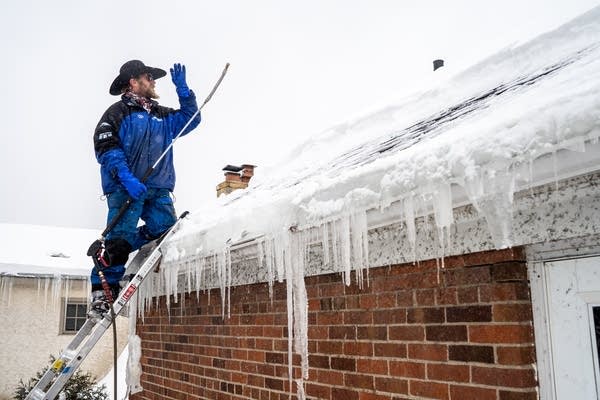
Before delving into whether metal roofs are affected by ice dams, it’s essential to understand what ice dams are and how they form. Ice dams are ridge-like formations of ice that accumulate along the eaves of a roof. They occur when snow on the roof melts due to heat escaping from the interior of the house. The melted snow then refreezes at the colder eaves, creating a barrier that prevents proper drainage of water.
Factors Contributing to Ice Dams
Several factors contribute to the formation of ice dams, and understanding them can help homeowners take preventative measures.
1. Roof Design and Pitch
The design and pitch of the roof play a significant role in the formation of ice dams. Roofs with shallow slopes or complex designs provide more surface area for snow to accumulate and melt unevenly, increasing the likelihood of ice dams.
2. Inadequate Insulation
Poor insulation in the attic or roof allows warm air from the living spaces to escape and heat the roof. This uneven heating can lead to the melting and refreezing of snow, leading to ice dam formation.
3. Ventilation Issues
Inadequate roof ventilation traps warm air in the attic, contributing to the heating of the roof surface and facilitating ice dam development.
4. Snow Accumulation
Regions with heavy snowfall are more prone to ice dams, as the excess snow provides a larger water source when it melts.
Do Metal Roofs Get Ice Dams?
Metal roofs, when installed correctly with appropriate insulation and ventilation, are less susceptible to ice dams compared to other roofing materials like asphalt shingles. The properties of metal, such as its high thermal conductivity, enable it to shed snow more effectively, reducing the risk of ice dam formation.
1. Quick Snow Shedding
Metal roofs have a smooth and slippery surface that allows snow to slide off more easily than other roofing materials. As a result, there is less snow accumulation, minimizing the chances of ice dams forming.
2. Heat Conduction
Metal is an excellent conductor of heat. In daylight, snow on a metal roof melts faster due to solar heat and its heat-conducting ability.
3. Preventing Ice Dam Formation
While metal roofs are more resistant to ice dams, it is still essential to take preventive measures, especially in regions with harsh winter conditions.
- Insulation and Ventilation: Proper insulation and ventilation in the attic or roof space can help regulate the roof’s temperature and prevent the uneven melting and refreezing of snow.
- Roof Snow Removal: After heavy snowfall, consider removing excess snow from the roof to reduce the chances of ice dams forming.
- Gutter Maintenance: Keep gutters and downspouts clear of debris to ensure proper water drainage and prevent ice dam formation in gutters.
Conclusion
Metal roofs are a favorable choice for homeowners looking for a durable and efficient roofing solution, especially in areas with cold climates. While metal roofs are less prone to ice dams, they are not entirely immune to the issue. Proper insulation, ventilation, and regular maintenance are essential to prevent ice dams from forming on any type of roof. Understanding ice dam formation and taking proper measures lets homeowners enjoy metal roofs worry-free during winter.
Leave a Reply