When it comes to installing a metal roof, one of the crucial decisions you’ll need to make is selecting the right substrate. Your choice of substrate can significantly impact the performance, longevity, and overall quality of your metal roofing system. In this article, we will explore the options of using plywood or OSB (oriented strand board) as substrates for your metal roof, providing you with insights to help you make an informed decision.
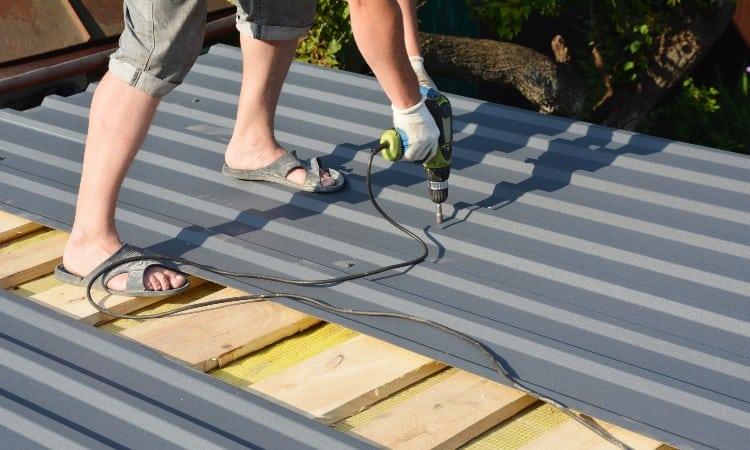
Substrates for Metal Roofing:
Before delving into the specifics of plywood and OSB, let’s first understand the role of a substrate in a metal roofing system.
A substrate serves as the solid base on which the metal roofing panels are installed. It provides support, stability, and a level surface for the metal roofing materials. The substrate also plays a crucial role in preventing moisture intrusion, which is vital for the long-term durability of the roof.
Using Plywood as a Substrate:
1. Durability and Strength:
- Plywood is known for its strength and durability. It is constructed by layering thin sheets of wood veneer and adhesive, creating a robust and stable panel.
2. Moisture Resistance:
- Exterior-grade plywood is designed to withstand exposure to moisture and weather. Properly treated and installed, it can resist water damage effectively.
3. Smooth Surface:
- Plywood provides a smooth, even surface for the installation of metal roofing panels. This helps in achieving a uniform and aesthetically pleasing finish.
4. Cost:
- While plywood is generally more expensive than OSB, it is often preferred for its superior performance and durability.
Using OSB as a Substrate:
1. Affordability:
- OSB is typically more cost-effective than plywood, making it an attractive option for budget-conscious homeowners.
2. Moisture Resistance:
- OSB has decent moisture resistance, but it may not perform as well as plywood in prolonged exposure to water. Proper sealing and ventilation are essential when using OSB.
3. Strength:
- OSB is engineered for strength and stability, but it can be more prone to swelling and warping when exposed to moisture compared to plywood.
4. Surface Texture:
- OSB may have a rougher surface texture compared to plywood, which can affect the final appearance of the metal roof.
Choosing the Right Substrate:
The choice between plywood and OSB as a substrate for your metal roof depends on various factors, including your budget, climate, and intended use of the structure. Here are some considerations to help you decide:
1. Climate:
- In areas with heavy rainfall or high humidity, plywood’s superior moisture resistance may make it the better choice.
2. Budget:
- If you have budget constraints, OSB may be a more cost-effective option. However, consider investing in proper sealing and ventilation to mitigate moisture-related issues.
3. Aesthetics:
- If the appearance of your metal roof is a priority, plywood’s smoother surface can contribute to a neater finish.
4. Longevity:
- Plywood generally offers better long-term performance and durability, making it a suitable choice for roofs meant to last for decades.
Conclusion:
Whether you opt for plywood or OSB as a substrate for your metal roof, it’s essential to ensure proper installation and maintenance to maximize the roof’s lifespan and performance. Consult with a roofing professional to determine the most suitable substrate for your specific needs and to ensure a successful metal roof installation. Your choice will impact the roof’s resilience and the protection it provides to your home for years to come.
Leave a Reply