If you live in an area prone to heavy snowfall, you’ve likely wondered whether a metal roof is a suitable choice for your home. Snow can pose unique challenges to roofing materials, and it’s essential to understand how metal roofs perform in snowy conditions. In this article, we’ll explore the advantages and considerations of metal roofs when it comes to handling snow.
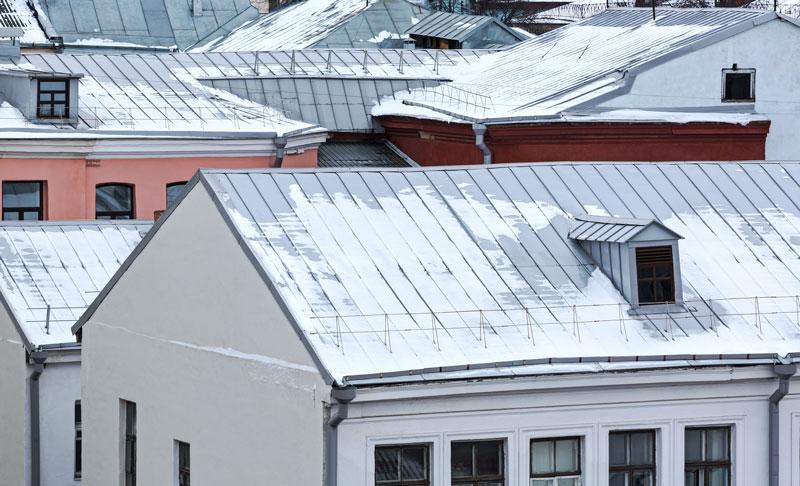
Understanding the Benefits of Metal Roofs in Snowy Climates
Metal Roofs and Snow
Metal roofs offer several advantages that make them a viable choice for regions with significant snowfall.
1. Snow Shedding Capability
One of the key benefits of metal roofs in snowy climates is their exceptional snow-shedding capability. Metal roofs have a smooth, slippery surface that encourages snow to slide off, rather than allowing it to accumulate. This characteristic minimizes the risk of heavy snow loads weighing down your roof.
2. Durability and Longevity
Metal roofs are known for their durability and longevity. When properly installed and maintained, they can last 50 years or more. This durability ensures that your roof can withstand the challenges posed by snow, including freeze-thaw cycles.
3. Heat Retention
Metal roofs can efficiently retain heat from the sun, which can help accelerate the melting of snow on your roof’s surface. This heat retention reduces the risk of ice dam formation, a common issue in snowy climates.
4. Low Maintenance
Metal roofs require minimal maintenance, which can be particularly advantageous in snowy regions. Their smooth surface prevents the accumulation of snow and ice dams, reducing the need for frequent roof clearing.
Considerations for Metal Roofs in Snowy Climates
While metal roofs offer several benefits for snowy climates, there are also important considerations to keep in mind.
1. Proper Insulation and Ventilation
To prevent ice dams and ensure your metal roof performs well in cold weather, it’s crucial to have proper insulation and ventilation in your attic space. Adequate insulation helps maintain a consistent temperature on your roof, preventing snow from melting and refreezing as ice dams.
2. Snow Guards
In regions with exceptionally heavy snowfall, installing snow guards or snow retention systems on your metal roof may be advisable. Snow guards help control the gradual release of snow from your roof, reducing the risk of large snow masses suddenly sliding off.
3. Installation Quality
The performance of your metal roof in snowy conditions heavily depends on proper installation. Ensure that you hire an experienced and reputable roofing contractor who understands the specific requirements for metal roofs in your climate.
4. Roof Pitch
The pitch or slope of your roof can impact how effectively it sheds snow. Steeper roof pitches encourage snow to slide off more easily. If your roof has a low pitch, you may need to take extra precautions to prevent snow accumulation.
Conclusion
Metal roofs can be an excellent choice for snowy climates, thanks to their snow-shedding capability, durability, and low maintenance requirements. However, it’s essential to consider factors like insulation, ventilation, and roof pitch to ensure optimal performance in cold weather. Consulting with a knowledgeable roofing professional can help you make an informed decision and enjoy the benefits of a metal roof while living in a snowy area.
Leave a Reply