In an era where environmental consciousness and energy efficiency are at the forefront of our concerns, making eco-friendly choices for our homes has become increasingly important. One such choice is opting for a metal roof, which not only enhances the aesthetics and durability of your property but also contributes to a more sustainable future. What’s even better is that installing a metal roof can provide you with significant financial benefits, thanks to the Tax Credit for Metal Roof. In this article, we’ll explore how this tax credit works and why it’s a smart investment for homeowners.
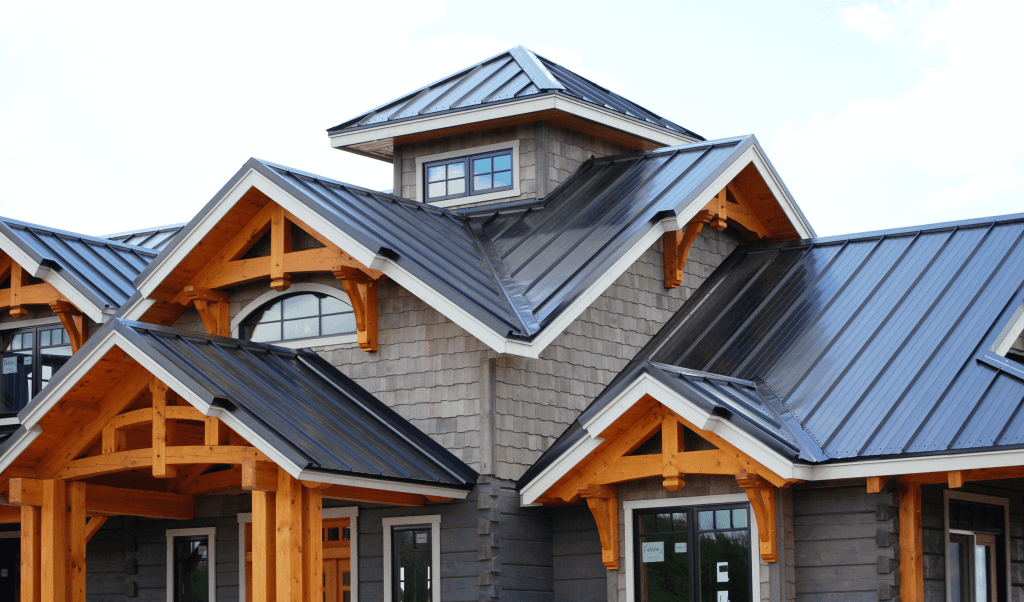
Understanding Tax Credit for Metal Roof
The Basics
The Tax Credit for Metal Roof is a financial incentive provided by the government to encourage homeowners to make energy-efficient improvements to their properties. Metal roofs, being highly reflective and energy-efficient, fall into this category. This credit allows you to reduce your federal tax liability, dollar-for-dollar, for a percentage of the costs incurred while installing a qualified metal roof.
Eligibility Criteria
To take advantage of this tax credit, you need to meet certain eligibility criteria. Firstly, the metal roof must be installed on your primary residence. Secondly, the metal roofing material must meet or exceed Energy Star requirements. It’s essential to verify that the product you choose is Energy Star certified to ensure you qualify for the credit.
How Much Can You Save?
The Tax Credit for Metal Roof covers 10% of the cost of the roofing materials, up to a maximum credit of $500. This means that if your metal roof costs you $5,000, you can receive a $500 credit on your federal taxes.
The Benefits of Installing a Metal Roof
Energy Efficiency
One of the primary reasons for the popularity of metal roofs is their exceptional energy efficiency. Metal roofs reflect sunlight, reducing heat absorption and keeping your home cooler during hot summers. This, in turn, lowers your energy bills as your air conditioning system doesn’t need to work as hard. By installing a metal roof, you not only contribute to a more sustainable environment but also enjoy savings on your energy costs.
Longevity
Metal roofs are known for their longevity. Unlike traditional asphalt shingles that may need replacement every 15-20 years, metal roofs can last 50 years or more with minimal maintenance. This durability not only reduces the frequency and cost of roof replacements but also decreases the amount of roofing material that ends up in landfills.
Low Maintenance
Metal roofs require very little maintenance. They are resistant to many common roofing issues, such as moss and algae growth, and can withstand harsh weather conditions, including heavy snow and hail. This means less time and money spent on roof repairs and maintenance over the years.
Increased Property Value
Investing in a metal roof can increase the resale value of your home. Potential buyers are often willing to pay more for a property with a durable, energy-efficient roof that requires minimal maintenance. Additionally, the curb appeal of a metal roof can make your home stand out in the real estate market.
Making the Most of Your Tax Credit
Consult with a Professional
Before proceeding with a metal roof installation, it’s advisable to consult with a professional roofing contractor who is knowledgeable about Energy Star certified products. They can guide you in choosing the right material and provide you with an estimate of the total cost.
Keep Detailed Records
To claim the Tax Credit for Metal Roof, you’ll need to retain detailed records of your roofing project expenses. This includes invoices, receipts, and any documentation that verifies the product’s Energy Star certification.
File Your Taxes Correctly
When it’s time to file your federal income taxes, make sure you follow the specific guidelines for claiming this tax credit. If you’re unsure, it’s a good idea to seek assistance from a tax professional who can ensure that you complete the process accurately.
Conclusion
Incorporating sustainable practices into our homes not only benefits the environment but also our wallets. The Tax Credit for Metal Roof serves as a valuable incentive for homeowners to invest in energy-efficient, durable roofing solutions. By choosing a metal roof for your primary residence, you not only enjoy long-term savings on energy bills and maintenance costs but also contribute to a greener future. So, if you’re planning to replace your roof or embark on a home improvement project, consider the many advantages of a metal roof and the financial benefits of the Tax Credit for Metal Roof. It’s a win-win for both your home and the planet.
Leave a Reply