Flat roofs are a popular choice for many commercial and residential buildings due to their modern and sleek appearance. However, like any roofing system, flat roofs have a lifespan and require maintenance and, eventually, replacement. In this article, we’ll explore the factors that determine how often flat roofs need to be replaced and offer insights into prolonging the life of your flat roof.
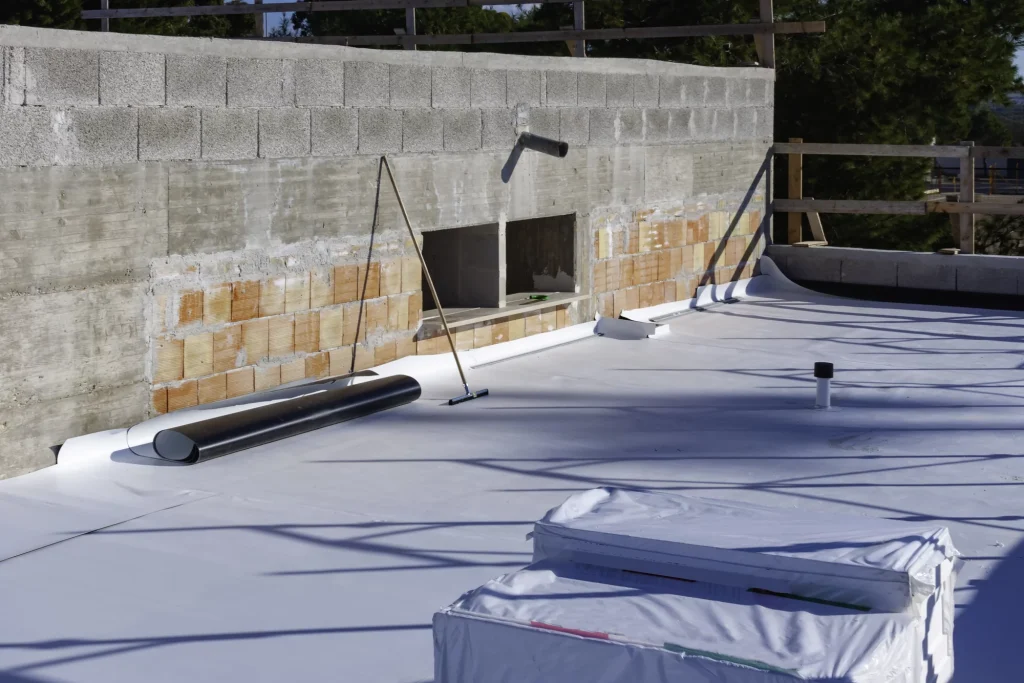
Understanding Flat Roofing Systems
Types of Flat Roofs
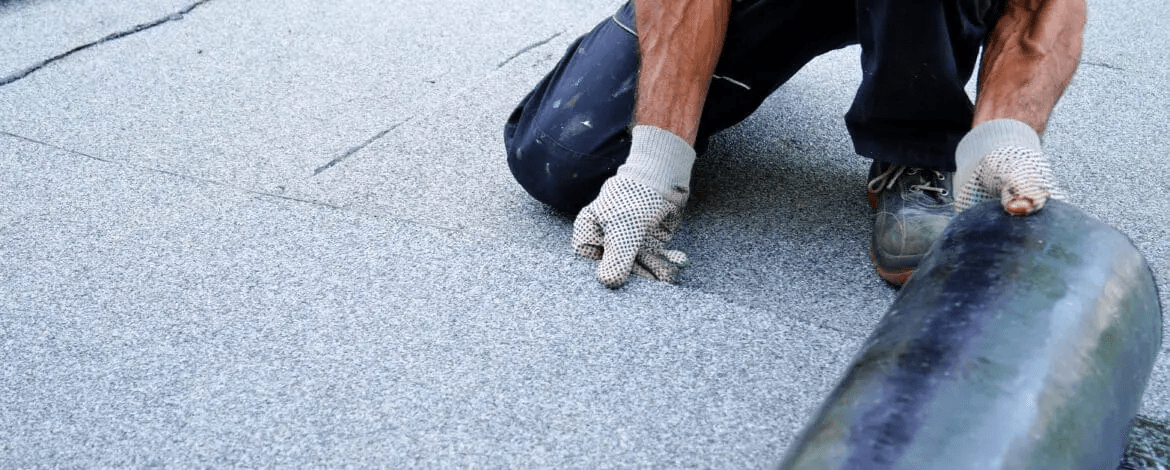
Flat roofs come in several variations, including Built-Up Roofing (BUR), Modified Bitumen Roofing, and Single-Ply Membrane Roofing (EPDM, TPO, PVC). The choice of roofing material can influence the lifespan and maintenance requirements of your flat roof.
Factors Affecting Lifespan
The longevity of a flat roof is influenced by several factors:
- Material: Different roofing materials have varying lifespans. For instance, BUR roofs can last 20-30 years, while EPDM and TPO roofs may have a lifespan of 30-50 years.
- Climate: Extreme weather conditions, such as heavy rainfall, snow, and UV exposure, can affect the roof’s lifespan. Areas prone to harsh weather may require more frequent replacements.
- Maintenance: Regular maintenance, including inspections, repairs, and cleaning, can extend the life of your flat roof.
- Installation Quality: The skill and expertise of the roofing contractor during installation play a significant role in the roof’s longevity.
When to Consider Replacement
While the lifespan of flat roofs can vary, there are common signs that indicate it’s time for a replacement:
1. Age of the Roof
If your flat roof has reached or exceeded its expected lifespan, it’s a good time to consider replacement. Continuing to patch up an aging roof may become more costly and less effective in the long run.
2. Leaks and Water Damage
Persistent leaks and water damage, especially if they affect the structural integrity of the building or interior spaces, signal the need for a new roof. Repairing extensive water damage can be costly and disruptive.
3. Extensive Blisters or Bubbles
Blisters and bubbles in the roofing material can be signs of trapped moisture or inadequate installation. If these issues are widespread, a replacement is likely necessary.
4. Frequent Repairs
If you find yourself frequently repairing the same issues on your flat roof, it’s a clear indication that the roof has reached the end of its effective lifespan.
Prolonging the Life of Your Flat Roof
To extend the life of your flat roof and delay the need for replacement, consider the following strategies:
1. Regular Inspections
Schedule annual or bi-annual inspections by a professional roofing contractor. These inspections can help detect and address issues before they become major problems.
2. Timely Repairs
Address any issues, such as leaks or punctures, promptly to prevent further damage. Ignoring small problems can lead to more extensive and costly repairs.
3. Preventative Maintenance
Implement a preventative maintenance plan that includes cleaning gutters, removing debris, and addressing potential sources of damage, like overhanging tree branches.
4. Coating Applications
Consider applying a roof coating designed to protect and extend the life of your flat roof. Coatings can help reflect UV rays, provide waterproofing, and increase the roof’s durability.
5. Professional Installation*
Ensure your flat roof is installed by a reputable and experienced roofing contractor. Proper installation is crucial for the longevity and performance of the roofing system.
Conclusion
The frequency at which flat roofs need to be replaced depends on various factors, including the roofing material, climate, maintenance, and the presence of signs like leaks and water damage. By taking proactive measures to maintain and protect your flat roof, you can extend its life and postpone the need for a replacement. However, when replacement is inevitable, it’s crucial to consult with a professional roofing contractor to choose the best roofing material and ensure a quality installation that will provide long-lasting protection for your building.
Leave a Reply