When it comes to roofing options, standing seam metal roofs have gained significant popularity due to their durability, aesthetics, and energy efficiency. These roofs are not only stylish but also exceptionally long-lasting. However, to ensure the proper functioning of a standing seam metal roof, one critical factor that often gets overlooked is the roof slope. In this article, we will delve into the importance of roof slope and discuss the minimum slope requirements for a standing seam metal roof.
Understanding the Basics: What is a Standing Seam Metal Roof?
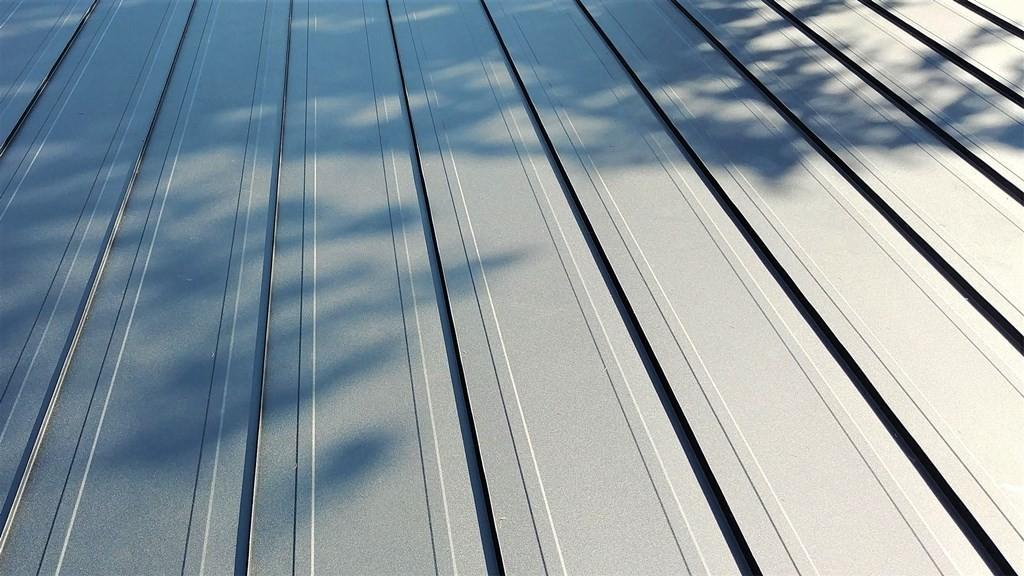
Before we dive into the specifics of roof slope requirements, let’s briefly discuss what a standing seam metal roof is. Standing seam roofs are constructed from metal panels with vertical seams that stand up and connect to adjacent panels. These seams are raised above the surface of the roofing material, creating a distinctive, clean, and modern look. They are commonly made from materials like steel, aluminum, or copper, and they are known for their excellent weather resistance and longevity.
The Significance of Roof Slope
The slope, or pitch, of a roof is a crucial element to consider when designing or installing any roofing system. The slope determines how quickly rainwater, snow, and debris will shed from the roof’s surface. Inadequate slope can lead to water pooling and potential leaks, while excessive slope may create stability issues and affect the aesthetics of your building. Striking the right balance is vital.
Minimum Slope Requirements
Standing seam metal roofs are versatile and can be installed on a variety of slopes. The minimum slope required typically depends on several factors, including the roofing material, local climate, and building codes. Let’s explore these factors in more detail.
1. Roofing Material
The minimum slope requirement can vary depending on the type of metal roofing material being used. In general, steel and aluminum standing seam roofs can be installed on slopes as low as 1/4:12, which means the roof rises 1/4 inch vertically for every 12 inches horizontally. Copper standing seam roofs may require a slightly steeper slope due to the material’s characteristics.
2. Local Climate
The local climate plays a significant role in determining the minimum slope requirement. In rainy or snowy areas, a steeper slope is advised for effective water drainage and snow prevention. Standing seam metal roofs are designed to withstand these conditions, but the slope should still be adequate.
3. Building Codes
Building codes and regulations also influence the minimum slope requirement for a standing seam metal roof. These codes are put in place to ensure the safety and functionality of the structure. It is essential to consult local building authorities or a roofing professional to ensure your project complies with all relevant codes.
Benefits of Meeting Minimum Slope Requirements
Ensuring that your standing seam metal roof meets the minimum slope requirements offers several advantages:
- Preventing Water Ponding: Adequate slope helps prevent water from pooling on the roof, reducing the risk of leaks and water damage.
- Improved Aesthetics: The correct slope enhances the overall appearance of the roof, providing a clean and sleek look that is characteristic of standing seam roofs.
- Enhanced Durability: Meeting minimum slope requirements can extend the lifespan of your roof by preventing structural stress and minimizing the impact of harsh weather conditions.
- Compliance with Regulations: By meeting the minimum slope requirements, you ensure that your roofing project complies with local building codes and regulations.
Conclusion
In conclusion, minimum slope requirements for a standing seam metal roof are crucial for your roofing project. These requirements may vary based on factors like material, climate, and building codes. Meeting them is vital for roof durability, functionality, and aesthetics. Consult experienced roofing professionals for tailored guidance. Whether you’re building or replacing a roof, the correct slope is essential for a standing seam metal roof’s full potential.

Leave a Reply