When considering metal roofing options, many homeowners and builders ask, Is 26 Gauge Metal Roofing Goods? This article delves into the attributes of 26 gauge metal roofing to help you make an informed decision.
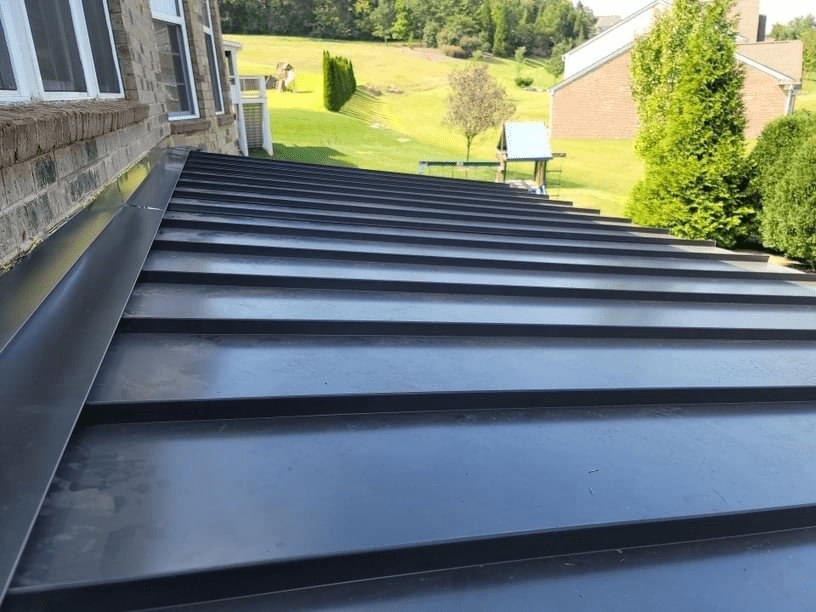
Understanding Metal Roofing Gauges
Before diving into whether 26 gauge metal roofing is good, it’s essential to understand what the term “gauge” means in the context of metal roofing. The gauge of a metal roof refers to its thickness. In general, the lower the gauge number, the thicker and more durable the metal. For example, 26 gauge metal is thicker than 29 gauge but thinner than 24 gauge.
Advantages of 26 Gauge Metal Roofing
So, is 26 gauge metal roofing good? Here are several reasons why it might be a great choice for your roofing needs:
- Durability: 26 gauge metal roofing provides excellent durability. It can withstand harsh weather conditions, including high winds, hail, and heavy rain, making it suitable for areas with severe weather patterns.
- Cost-Effective: While thicker gauges like 24 or 22 may offer more durability, 26 gauge is often more cost-effective, providing a balance between strength and cost that appeals to many homeowners and builders.
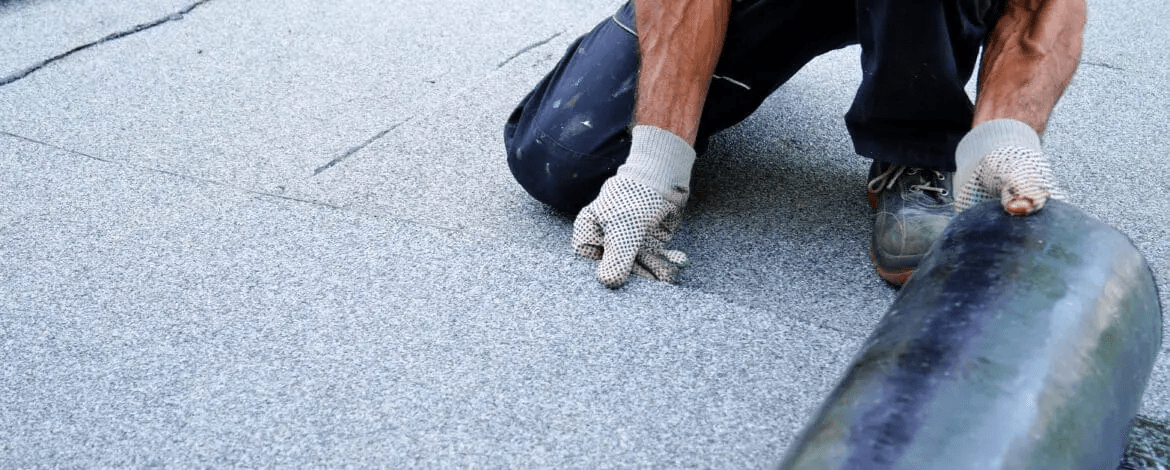
- Ease of Installation: Due to its thickness, 26 gauge metal roofing is relatively easy to work with. It’s less prone to bending or warping during installation compared to thinner gauges.
- Energy Efficiency: Metal roofs, including those of 26 gauge, reflect solar radiant heat, which can reduce cooling costs during hot weather. This makes them an energy-efficient choice for many homeowners.
- Longevity: Metal roofs are known for their long lifespan. A well-maintained 26 gauge metal roof can last 40-70 years, far outlasting traditional asphalt shingles.
Read too: How To Replace Roof Shingles That Blew Off: A Comprehensive Guide
Disadvantages of 26 Gauge Metal Roofing
While 26 gauge metal roofing has many benefits, it’s also important to consider some potential drawbacks:
- Initial Cost: Although it is more cost-effective than thicker gauges, the initial cost of metal roofing can still be higher compared to other materials like asphalt shingles.
- Noise: Metal roofs can be noisier than other roofing types during heavy rain or hailstorms. However, this can often be mitigated with proper insulation and underlayment.
- Dent Potential: While 26 gauge is durable, it can still dent under severe impact, such as large hailstones or falling branches.
Is 26 Gauge Metal Roofing Good for Your Home?
To determine if 26 gauge metal roofing is good for your specific needs, consider the following factors:
- Climate: If you live in an area prone to severe weather, the durability of 26 gauge metal roofing can offer excellent protection.
- Budget: While the upfront cost is higher than some other materials, the long-term savings on energy and maintenance can make it a cost-effective choice.
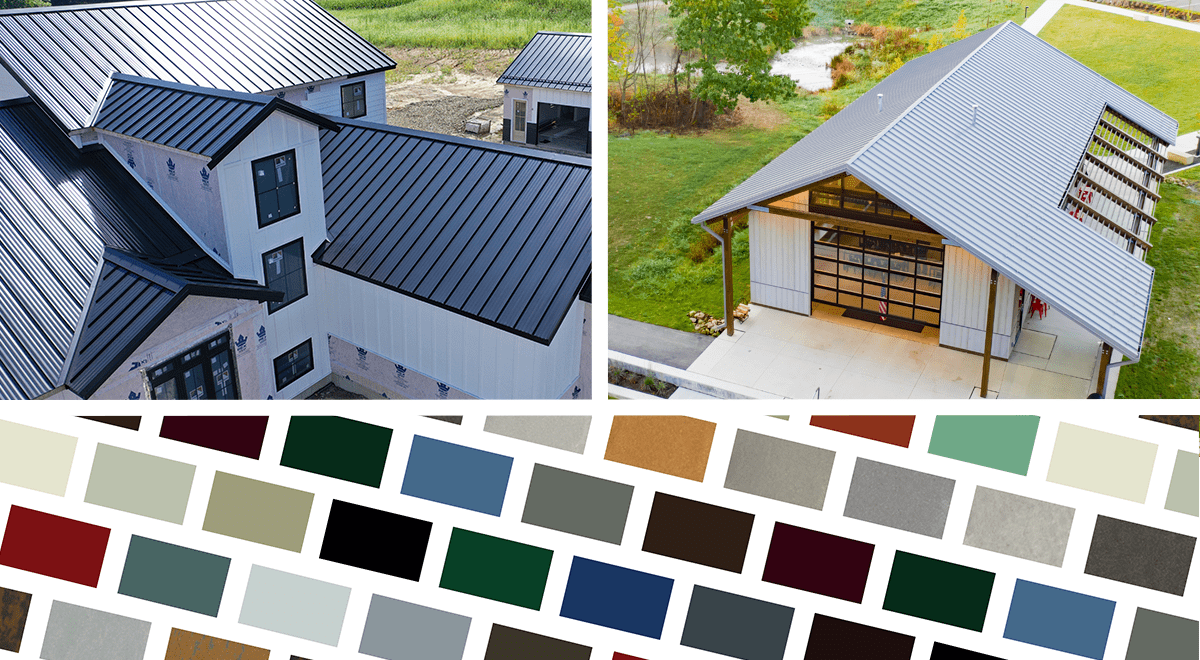
- Aesthetic Preferences: Metal roofing comes in various styles and colors, allowing you to choose an option that complements your home’s architecture.
Is 26 Gauge Metal Roofing Good for Commercial Buildings?
Many commercial buildings also benefit from the use of 26 gauge metal roofing. Here’s why it can be a suitable choice:
- Strength: The durability of 26 gauge metal roofing is beneficial for large commercial buildings that require robust protection against environmental elements.
- Energy Efficiency: Commercial buildings often have higher energy demands. The reflective properties of metal roofing can significantly reduce cooling costs.
- Low Maintenance: The long lifespan and low maintenance needs of metal roofing make it an attractive option for commercial property owners looking to minimize upkeep.
Comparing 26 Gauge to Other Gauges
When asking is 26 gauge metal roofing good, it’s helpful to compare it with other common gauges:
- 24 Gauge: Thicker and more durable, but also more expensive. Ideal for areas with extremely harsh weather conditions.
- 29 Gauge: Thinner and less expensive, but also less durable. Suitable for milder climates and budget-conscious projects.
Conclusion
So, is 26 gauge metal roofing goods? The answer depends on your specific needs and circumstances. For many homeowners and commercial property owners, 26 gauge metal roofing strikes a perfect balance between durability, cost-effectiveness, and ease of installation. Its long lifespan and energy efficiency make it a worthwhile investment for those looking for a reliable and long-lasting roofing solution.
Leave a Reply