When it comes to roofing, durability and resilience are paramount. One of the most significant advancements in roofing technology is the Class 4 impact resistant metal roof. This type of roofing material offers superior protection against severe weather conditions, making it an excellent choice for homeowners looking to enhance their roof’s longevity and safety. In this comprehensive guide, we will explore what a Class 4 impact resistant metal roof is, its benefits, installation considerations, and how to choose the best option for your home.
Understanding
A Class 4 impact resistant metal roofs is designed to withstand severe weather conditions, including hail and high winds. The Class 4 rating is the highest level of impact resistance recognized by the Underwriters Laboratories (UL), a global safety certification organization.
Read too: How To Replace Roof Shingles That Blew Off: A Comprehensive Guide
Impact Resistance Ratings
The impact resistance of roofing materials is categorized into five classes:
- Class 1: Minimal resistance to impact.
- Class 2: Low resistance.
- Class 3: Moderate resistance.
- Class 4: High resistance.
- Class 5: Extreme resistance (for future developments).
A Class 4 impact resistant metal roofs can withstand impacts from hailstones with a diameter of up to 2 inches without sustaining significant damage, making it highly suitable for areas prone to severe weather.
Benefits of a Class 4 Impact Resistant Metal Roof
Investing in a Class 4 impact resistant metal roof offers numerous advantages:
1. Superior Protection
The primary benefit of a Class 4 impact resistant metal roof is its ability to protect your home from severe weather conditions. This type of roofing can withstand hail, falling branches, and other debris without getting damaged, reducing the risk of leaks and other issues.
2. Longer Lifespan
Due to its durability, a Class 4 metal roof typically lasts longer than standard roofing materials. The enhanced resistance to impact and weather conditions helps prevent premature wear and tear, extending the lifespan of the roof.
3. Insurance Benefits
Many insurance companies offer discounts or incentives for homes with Class 4 impact resistant metal roofs. This can lead to significant savings on homeowners’ insurance premiums, making it a cost-effective choice in the long run.
4. Reduced Maintenance
A metal roof with a Class 4 impact rating requires less maintenance compared to other roofing types. Its resistance to impacts and extreme weather conditions minimizes the need for frequent repairs and replacements.
5. Energy Efficiency
Metal roofs are known for their energy efficiency. They reflect solar heat, which can help reduce cooling costs during hot weather. A Class 4 impact resistant metal roof enhances these benefits by maintaining its integrity and insulation properties over time.
Installation Considerations for Class 4 Impact Resistant Metal Roofs
Proper installation is crucial for maximizing the benefits of a Class 4 impact resistant metal roof. Here are some key considerations:
1. Choose a Qualified Contractor
Selecting a contractor with experience in installing Class 4 impact resistant metal roofs is essential. Ensure that the contractor is familiar with the specific requirements and best practices for this type of roofing.
2. Prepare the Roof Deck
Before installation, the roof deck must be properly prepared. This includes ensuring that it is clean, dry, and free of any damage. The integrity of the roof deck plays a significant role in the overall performance of the metal roofing.
3. Proper Ventilation
Adequate ventilation is important to prevent issues such as condensation and heat buildup. Ensure that the installation includes proper ventilation systems to maintain the health of your roof and home.
4. Follow Manufacturer’s Guidelines
Each metal roofing manufacturer will have specific installation guidelines. Adhering to these guidelines is crucial for ensuring that the roof performs as intended and meets the Class 4 impact resistance standards.
5. Inspect the Installation
After installation, thoroughly inspect the roof to ensure that it meets all quality and performance standards. Address any issues or concerns promptly to avoid future problems.
How to Choose the Best Class 4 Impact Resistant Metal Roof
Selecting the right Class 4 impact resistant metal roof involves evaluating various factors:
1. Material Type
Metal roofs come in various materials, including steel, aluminum, and copper. Each material has its advantages and considerations:
- Steel: Durable and cost-effective, but may require a protective coating to prevent rust.
- Aluminum: Lightweight and resistant to corrosion, making it suitable for coastal areas.
- Copper: Extremely durable and aesthetically appealing but comes at a higher cost.
2. Style and Design
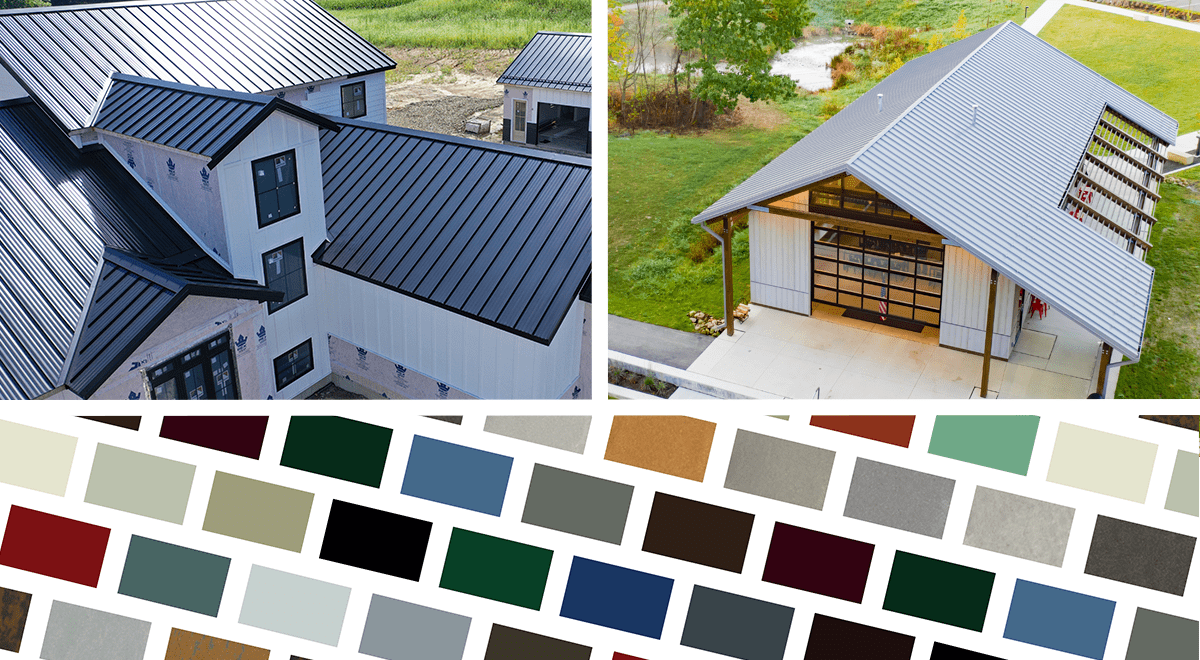
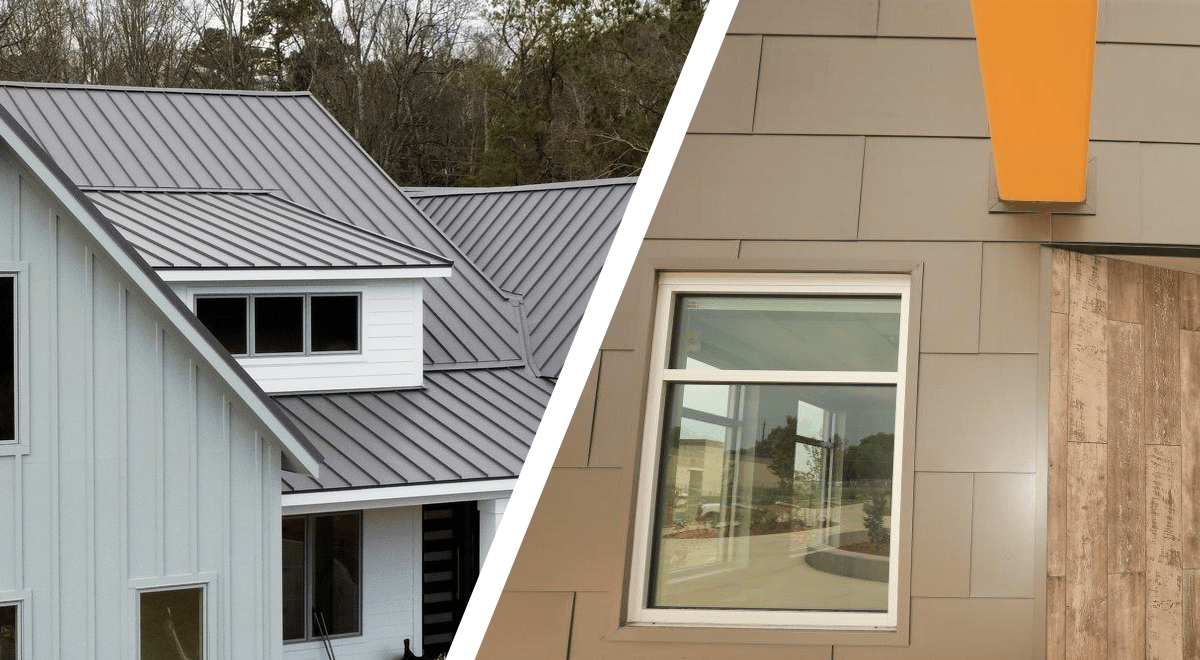
Consider the style and design of the metal roof to complement the aesthetics of your home. Metal roofs are available in various styles, including standing seam, corrugated, and metal shingles.
3. Color Options
Metal roofs come in a range of colors. Choose a color that not only enhances the appearance of your home but also reflects heat effectively to improve energy efficiency.
4. Warranty
Check the warranty offered by the manufacturer. A comprehensive warranty ensures that you are protected against defects and issues with the roofing material.
5. Cost
While Class 4 impact resistant metal roofs are an investment, it is essential to consider the cost in relation to the benefits. Compare quotes from different contractors and manufacturers to find the best value for your money.
Conclusion
A Class 4 impact resistant metal roof provides exceptional protection, longevity, and energy efficiency. By understanding the benefits, installation considerations, and selection criteria, you can make an informed decision about whether this type of roofing is right for your home. Investing in a Class 4 impact resistant metal roofs can offer peace of mind, knowing that your home is safeguarded against severe weather conditions and potential damage.
Leave a Reply