Metal roofs are celebrated for their durability, longevity, and low maintenance. However, like any roofing material, they are not immune to problems. One of the most concerning issues homeowners may face is leaks. Understanding why metal roofs leak and how to address these issues is crucial for maintaining the integrity of your roof and protecting your home. This article will explore the common causes of metal roof leaks, solutions to address them, and preventive measures to keep your roof in top condition.
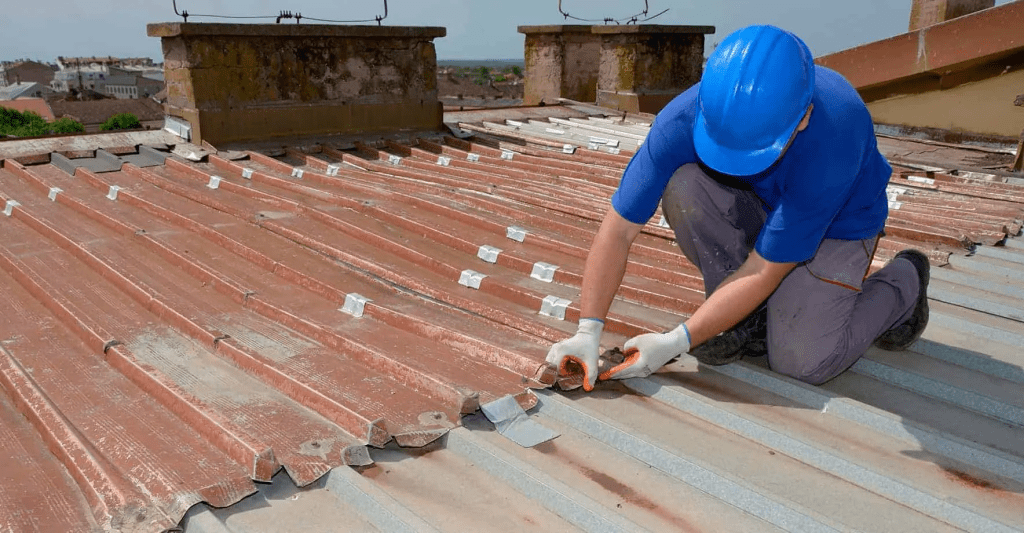
Understanding Metal Roofs
Before diving into the reasons behind leaks, it’s helpful to understand the basic components and structure of metal roofs:
- Material TypesMetal roofs can be made from various materials, including steel, aluminum, copper, and zinc. Each type has its properties and benefits, but they all share a common construction involving panels or shingles.
- InstallationMetal roofs are typically installed in overlapping panels or shingles that interlock to create a watertight barrier. Proper installation is crucial to ensure that the roof performs as intended.
- Coatings and FinishesMany metal roofs are coated with protective finishes to enhance durability, resist corrosion, and improve aesthetic appeal. These coatings can affect the roof’s performance and longevity.
Read too: How To Replace Roof Shingles That Blew Off: A Comprehensive Guide
Why Do Metal Roofs Leak?
Common Causes of Metal Roof Leaks
Metal roofs are generally robust and reliable, but several factors can lead to leaks. Understanding these causes can help you address issues promptly and maintain your roof’s performance.
- Improper InstallationOne of the leading causes of leaks in metal roofs is improper installation. This can include:
- Inadequate Sealing: Seams and joints must be properly sealed to prevent water infiltration. If the sealant is applied incorrectly or if the sealant deteriorates over time, leaks can occur.
- Incorrect Panel Overlap: Metal roofing panels need to overlap correctly to ensure a watertight seal. Improperly aligned panels can allow water to seep through.
- Faulty Flashing: Flashing is used around roof penetrations such as chimneys, skylights, and vents to direct water away from these areas. Poorly installed or damaged flashing can be a major source of leaks.
- Rust and CorrosionWhile many metal roofs are coated to resist corrosion, exposure to harsh weather conditions or poor maintenance can lead to rust. Rust can weaken the metal and create openings where water can enter.
- Damage from DebrisFalling debris, such as tree branches or hail, can damage metal roofs. Dents, cracks, and punctures caused by debris can compromise the roof’s integrity and lead to leaks.
- Improper Roof SlopeMetal roofs are designed to shed water effectively. If the roof slope is insufficient or if the roof is flat, water may pool rather than flow off, increasing the risk of leaks.
- Thermal MovementMetal expands and contracts with temperature changes. If the roof is not installed with allowances for thermal movement, the metal can shift and create gaps or stress points where leaks may develop.
- Faulty Roof PenetrationsRoof penetrations, such as vents, pipes, and HVAC systems, need to be properly sealed and flashed. Faulty installations or deteriorated seals around these penetrations can lead to leaks.
- Poor MaintenanceRegular maintenance is essential to keep a metal roof in good condition. Neglecting routine inspections, cleaning, and repairs can lead to the development of leaks over time.
How to Prevent Metal Roof Leaks
Preventing leaks is key to maintaining the longevity and effectiveness of your metal roof. Here are some strategies to minimize the risk of leaks:
- Ensure Proper Installation
- Hire a Professional: Always use experienced and reputable contractors for installation. Proper installation is crucial for ensuring that all components are correctly aligned and sealed.
- Verify Installation Quality: Check that the panels overlap correctly, seams are sealed, and flashing is installed properly.
- Regular Maintenance
- Inspect Periodically: Schedule regular inspections to identify and address potential issues before they become serious problems.
- Clean the Roof: Remove debris such as leaves and branches that can trap moisture and cause damage.
- Check for Rust: Inspect the roof for signs of rust and address any areas that show deterioration.
- Repair Damage Promptly
- Address Small Issues: Repair minor damage, such as small dents or loose panels, as soon as you notice them to prevent further deterioration.
- Seal Leaks Quickly: Use appropriate sealants and materials to fix any leaks you discover.
- Proper VentilationEnsure that your metal roof has adequate ventilation to manage moisture and temperature changes. Proper ventilation helps to reduce condensation and prevent rust formation.
- Use Quality MaterialsInvest in high-quality metal roofing materials and coatings to ensure better resistance to environmental factors and reduce the likelihood of leaks.
What to Do if Your Metal Roof Leaks
If you discover a leak in your metal roof, taking immediate action is crucial to prevent further damage. Here’s what you should do:
- Locate the Source of the LeakIdentifying the exact location of the leak can be challenging. Look for signs of water damage on the ceiling or walls inside your home. Check the roof’s exterior for visible damage, such as rust spots or damaged flashing.
- Temporary RepairsIf you can’t address the leak immediately, make temporary repairs to minimize water entry. Use waterproof tarps or sealants to cover the affected area until a permanent repair can be made.
- Consult a ProfessionalContact a roofing professional to assess the damage and perform necessary repairs. A professional can accurately diagnose the problem and ensure that repairs are done correctly.
- Address Underlying IssuesIf the leak is a result of improper installation or other underlying issues, work with your contractor to address these problems and prevent future leaks.
Conclusion
Understanding why metal roofs leak and how to prevent and address these issues is essential for maintaining the integrity and longevity of your roofing system. By ensuring proper installation, conducting regular maintenance, and addressing problems promptly, you can enjoy the benefits of a metal roof without the hassle of leaks. Whether you’re dealing with an existing leak or taking steps to prevent future issues, proactive measures will help keep your metal roof in excellent condition for years to come.
Leave a Reply