When it comes to roofing materials, durability and impact resistance are critical factors to consider. Metal roofs have gained popularity due to their strength and longevity, but many homeowners and builders still question their resilience to impacts. This article will explore whether metal roofs are impact resistant, how they compare to other roofing materials, and what you should know before making a decision.
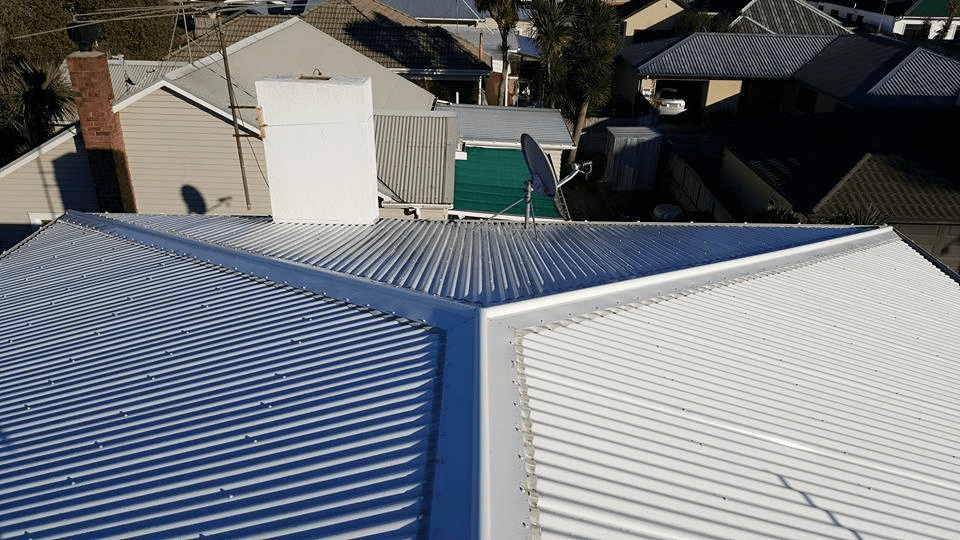
What Makes Metal Roofs Impact Resistant?
Metal roofs are renowned for their robustness, and their impact resistance is a key feature that contributes to their overall durability. But what exactly makes metal roofs so resilient?
Read too: Is It Reasonable to Ask the Seller to Replace the Roof?
1. Material Composition
Metal roofs are typically made from steel, aluminum, or copper. Each of these metals has unique properties that enhance impact resistance:
- Steel: Known for its strength and durability, steel is a popular choice for metal roofing. It can withstand significant impacts without compromising structural integrity. Additionally, galvanized steel roofs are coated with a layer of zinc to prevent rust and further enhance their durability.
- Aluminum: Lightweight yet strong, aluminum is another common material for metal roofs. It resists corrosion and maintains its impact resistance over time. Its natural flexibility allows it to absorb and distribute the force of impacts effectively.
- Copper: Copper roofs are less common but offer exceptional durability. Copper’s natural hardness makes it resistant to impacts, and its longevity means it can withstand various environmental conditions.
2. Roofing Design and Installation
The design and installation of metal roofing also play a crucial role in its impact resistance:
- Interlocking Panels: Many metal roofs feature interlocking panels that enhance their structural integrity. These panels overlap and connect in a way that minimizes the chance of damage from impacts.
- Proper Installation: For optimal performance, metal roofs must be installed correctly. This includes ensuring that the panels are securely fastened and that all seams and joints are properly sealed. Professional installation helps prevent potential weaknesses that could affect impact resistance.
3. Coatings and Finishes
Metal roofs often come with protective coatings and finishes that add an extra layer of impact resistance:
- Paint Coatings: Many metal roofs are coated with paint that adds a layer of protection against impacts, as well as UV rays and harsh weather conditions.
- Galvanization: For steel roofs, galvanization involves coating the metal with a layer of zinc to prevent rust and improve impact resistance.
Comparing Metal Roofs to Other Roofing Materials
To better understand the impact resistance of metal roofs, it’s helpful to compare them with other common roofing materials:
1. Asphalt Shingles
- Durability: Asphalt shingles are less impact-resistant compared to metal roofs. They can be easily damaged by falling debris or hail, leading to cracks and leaks.
- Maintenance: Damaged asphalt shingles often require more frequent repairs and replacements, which can be costly over time.
2. Clay and Concrete Tiles
- Durability: Clay and concrete tiles are known for their durability and impact resistance. However, they can be brittle and prone to cracking under severe impacts.
- Weight: These materials are heavy and may require additional structural support, which can increase installation costs.
3. Wood Shingles and Shakes
- Durability: Wood shingles and shakes are less impact-resistant and can be easily damaged by hail or falling branches.
- Maintenance: They require regular maintenance and treatments to prevent rot and damage from pests.
How Impact Resistance Affects Roof Longevity
Impact resistance is closely related to the longevity of a roof. A roof that can withstand impacts will typically have a longer lifespan and require fewer repairs. Here’s how impact resistance contributes to the overall longevity of metal roofs:
1. Reduced Risk of Damage
Impact-resistant roofs are less likely to suffer from damage caused by hail, falling debris, or severe weather conditions. This reduces the need for frequent repairs and prolongs the roof’s lifespan.
2. Lower Maintenance Costs
Since metal roofs are more resistant to impacts, they often require less maintenance compared to other roofing materials. This translates into cost savings over the roof’s lifetime.
3. Improved Performance in Severe Weather
Metal roofs are particularly effective in areas prone to severe weather conditions. Their ability to resist impacts and extreme temperatures makes them a reliable choice for protecting your home.
Tips for Enhancing Impact Resistance
While metal roofs are inherently impact-resistant, there are several steps you can take to further enhance their durability:
1. Choose High-Quality Materials
Selecting high-quality metal roofing materials, such as galvanized steel or aluminum, can improve impact resistance. Opt for materials with good reviews and performance ratings.
2. Professional Installation
Ensure that your metal roof is installed by experienced professionals. Proper installation techniques will help maximize the roof’s impact resistance and overall performance.
3. Regular Inspections and Maintenance
Regularly inspect your metal roof for signs of damage and perform routine maintenance to address any issues promptly. Keeping the roof in good condition will help maintain its impact resistance.
Conclusion
So, are metal roofs impact resistant? The answer is a resounding yes. Metal roofs are designed to withstand significant impacts thanks to their material composition, design, and protective coatings. When compared to other roofing materials, metal roofs generally offer superior impact resistance, durability, and longevity.
If you’re considering installing a new roof and are concerned about impact resistance, metal roofing is an excellent choice. By opting for high-quality materials and ensuring professional installation, you can enjoy the benefits of a robust and reliable roofing system that stands up to the test of time.
Leave a Reply