Selling a house involves many decisions, and one of the most significant considerations can be whether to replace the roof before putting your property on the market. A new roof can enhance your home’s curb appeal, increase its market value, and address potential issues that could deter buyers. This comprehensive guide will help you understand the benefits of replacing your roof before selling your house and provide essential tips to make an informed decision.
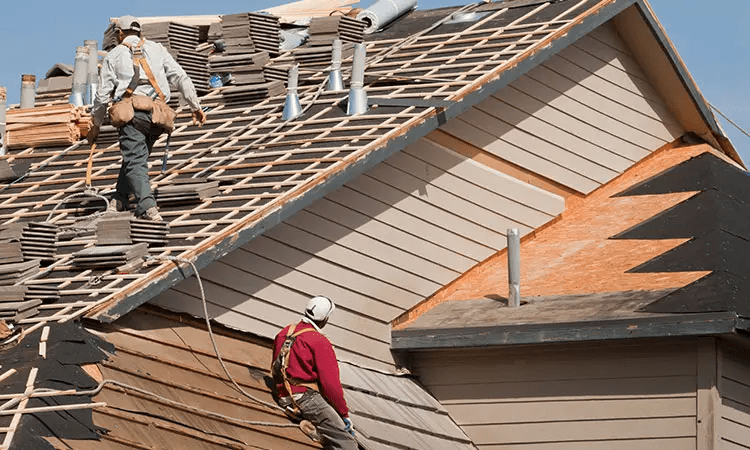
Why Consider Replacing the Roof Before Selling Your House?
Replacing the roof before selling your house can offer several advantages, both in terms of boosting your property’s value and making it more attractive to potential buyers.
1. Increased Property Value
A new roof can significantly increase your home’s resale value. Buyers are often willing to pay more for a property that has a fresh, new roof, as it reduces the immediate maintenance and replacement costs they would otherwise face. A new roof can also be a key selling point that differentiates your home from others on the market.
Read too: How To Replace Roof Shingles That Blew Off: A Comprehensive Guide
2. Enhanced Curb Appeal
First impressions matter, and a well-maintained or newly installed roof can greatly enhance your home’s curb appeal. A new roof improves the overall appearance of your home, making it look more attractive and well-cared-for. This enhanced curb appeal can attract more potential buyers and potentially lead to a quicker sale.
3. Avoiding Inspection Issues
During the home inspection process, an aging or damaged roof can be a red flag for buyers. Issues with the roof may lead to negotiation delays or lower offers. By replacing the roof beforehand, you can address these concerns proactively, ensuring that the inspection goes smoothly and preventing potential deal-breakers.
4. Improved Energy Efficiency
New roofing materials often come with better insulation and energy-efficient properties compared to older roofs. This can be a selling point for buyers interested in reducing their utility bills and improving their home’s energy performance.
When to Replace the Roof Before Selling a House
Determining whether to replace the roof before selling depends on various factors. Consider the following points to make an informed decision:
1. Age and Condition of the Roof
Assess the current condition of your roof. If it is over 15-20 years old or shows signs of wear and damage such as missing shingles, leaks, or significant discoloration, it may be worth replacing. A roof that is nearing the end of its lifespan can be a red flag to buyers and might affect the sale price or lead to complications during negotiations.
2. Market Conditions
Evaluate the real estate market in your area. In a competitive market where homes are selling quickly, replacing the roof might be less critical. However, in a slower market, a new roof could give your property a competitive edge and attract more potential buyers.
3. Return on Investment (ROI)
Consider the potential return on investment for replacing the roof. Research how much you might recoup from the cost of a new roof versus the increase in your home’s sale price. In many cases, investing in a new roof can provide a good ROI and help you sell your home for a higher price.
How to Decide If You Should Replace the Roof
Making the decision to replace your roof before selling involves evaluating several key factors. Here’s how you can make an informed choice:
1. Get a Professional Inspection
Hire a professional roofing contractor to inspect your roof and provide an assessment. They can identify any issues and offer recommendations on whether a replacement is necessary. Their expert opinion can help you decide if replacing the roof will significantly impact the sale of your home.
2. Obtain Cost Estimates
Get quotes from several roofing contractors to understand the cost of replacing your roof. Compare these estimates with the potential increase in your home’s sale price. This will help you determine if the investment in a new roof is financially worthwhile.
3. Assess the Competition
Look at comparable homes in your area and see if they have recently had new roofs installed. If many homes on the market have new or updated roofs, having a new roof might be necessary to remain competitive. Conversely, if most homes have older roofs, your property with a new roof could stand out.
Steps to Replace the Roof Before Selling Your House
If you decide to replace the roof before selling, follow these steps to ensure a smooth process:
1. Choose the Right Roofing Material
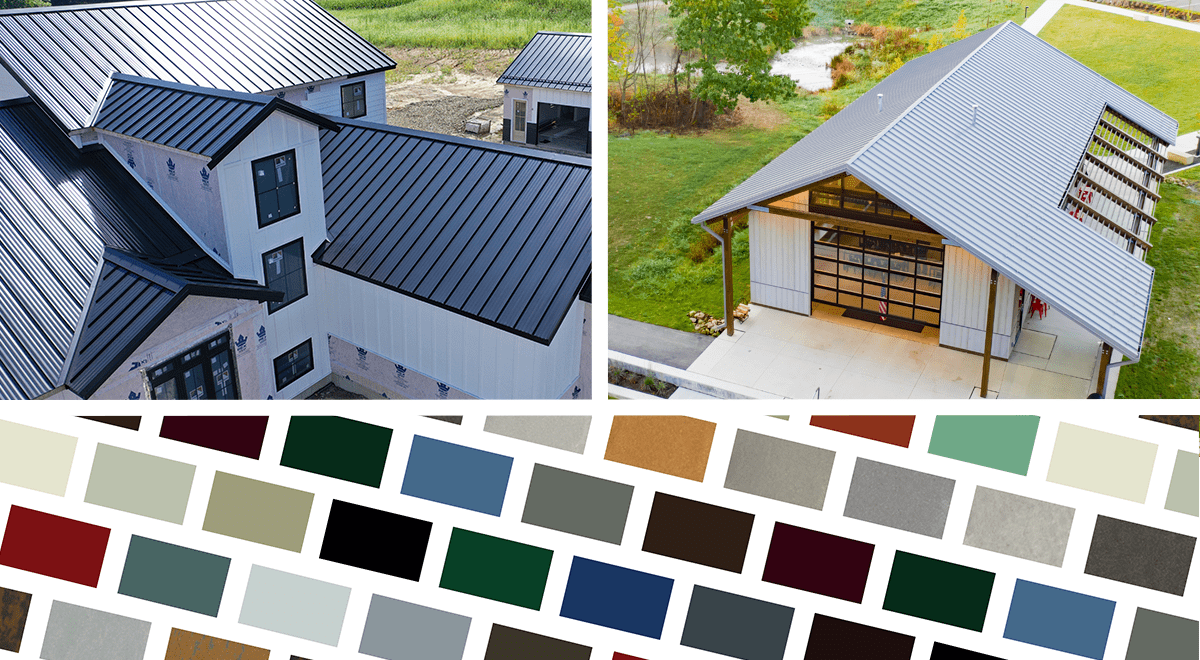
Select roofing materials that match the style and value of your home. Popular options include asphalt shingles, metal roofing, and architectural shingles. Consider durability, appearance, and cost when making your choice.
2. Hire a Reputable Roofing Contractor
Find a qualified and reputable roofing contractor with experience in residential roofing. Check references, read reviews, and verify their credentials to ensure you hire a reliable professional.
3. Schedule the Installation
Coordinate the timing of the roof replacement with your home selling plans. Aim to complete the installation before listing your home to ensure the new roof is ready for potential buyers to see.
4. Document the Work
Keep detailed records of the roof replacement, including invoices, warranties, and any permits obtained. This documentation can be valuable during the sale process and provide reassurance to buyers.
Benefits of Timing the Roof Replacement
1. Maximizing Sale Price
By replacing the roof before listing your home, you can maximize its sale price and potentially recoup a significant portion of the investment. A new roof can also make your home more appealing to buyers, leading to a faster sale.
2. Enhancing Negotiation Power
A home with a new roof may give you more leverage during negotiations. Buyers may be less likely to request price reductions or repairs if they see that the roof has already been updated.
3. Avoiding Future Disputes
Replacing the roof before selling can prevent disputes or delays related to roofing issues that may arise during the sale process. It ensures that the roof is in good condition and meets current building standards.
Conclusion
Replacing the roof before selling your house can be a strategic move to enhance your home’s value, appeal, and marketability. By carefully evaluating the condition of your roof, considering market conditions, and making an informed decision, you can ensure a successful sale and potentially increase your return on investment.
If you’re unsure whether a new roof is the right choice for your home, consult with a professional roofing contractor to assess your situation. With the right approach, a new roof can be a valuable investment that helps you achieve a successful sale and a higher sale price.
Leave a Reply