Building a lean to roof against a house is a practical and aesthetically pleasing way to add shelter, shade, or extra storage space. Whether you’re creating a small porch cover, a carport, or a garden shed roof, understanding how to build a lean to roof against a house is essential for a successful project.
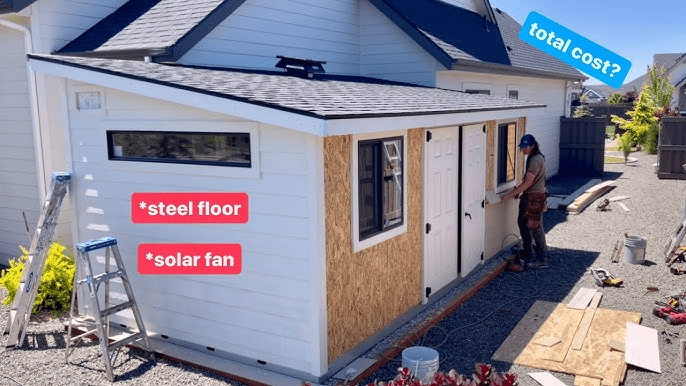
A lean to roof is characterized by a single slope that leans against an existing structure, making it simpler and more cost-effective than other roofing styles. In this detailed guide, we’ll walk you through the entire process—from planning and materials to construction tips—to help you build a lean to roof that’s both functional and attractive.
What Is a Lean To Roof?
A lean to roof is a roof design with a single pitch or slope that “leans” against a taller wall or building. Unlike a traditional gable roof with two slopes, a lean to roof only has one, which directs water runoff in one direction. This design is commonly used for:
- Porch covers
- Sheds
- Carports
- Greenhouses
- Storage areas
The simplicity of this style makes it a popular choice for DIYers and professionals alike.
Read too: Is It Reasonable to Ask the Seller to Replace the Roof?
Benefits of Building a Lean To Roof Against a House
There are several advantages to building a lean to roof attached to your home:
- Cost Efficiency: Uses fewer materials and requires less labor than complex roof designs.
- Easy Drainage: The single slope promotes efficient water runoff, reducing the risk of leaks.
- Increased Outdoor Space: Provides covered areas for relaxing, gardening, or parking.
- Simple Construction: Easier to build for beginners with basic carpentry skills.
- Customizable: Can be built with a variety of materials to match your home’s aesthetics.
How To Build A Lean To Roof Against A House
Step 1: Plan Your Roof Design
Before starting construction, you need to plan carefully:
- Determine the Size: Decide on the width, length, and height of your lean to roof based on the intended use and available space.
- Choose the Pitch: A typical lean to roof pitch ranges between 2:12 (shallow slope) and 6:12 (steeper slope). The pitch affects water drainage and the roof’s visual appeal.
- Check Local Building Codes: Verify any permits or restrictions related to building structures attached to your home.
- Select Materials: Common materials include wood framing, metal roofing, asphalt shingles, or polycarbonate panels for a lightweight option.
Step 2: Gather Tools and Materials
To build a lean to roof, you’ll generally need:
- Pressure-treated lumber (for framing and ledger board)
- Roofing materials (shingles, metal panels, or roofing sheets)
- Ledger board and flashing
- Nails, screws, and bolts
- Saw, drill, hammer, measuring tape
- Level, square, and chalk line
- Ladder and safety equipment
Step 3: Install the Ledger Board
The ledger board is a crucial component—it’s the board attached directly to your house, supporting one end of the roof:
- Locate the proper height on your house wall for the ledger board placement.
- Use a level to mark a straight line where the ledger board will go.
- Drill holes into the house’s wall studs and attach the ledger board securely with lag bolts.
- Install flashing above the ledger board to prevent water from seeping behind it and causing damage.
Step 4: Build the Roof Frame
With the ledger board in place, it’s time to build the roof frame:
- Cut rafters according to your roof pitch and desired length. Use a framing square to mark angles accurately.
- Attach the rafters to the ledger board using hurricane ties or metal brackets for added strength.
- Support the outer ends of the rafters with posts if necessary. Posts should be anchored to concrete footings or a stable base.
- Use horizontal beams or purlins across the rafters to support the roofing material.
Step 5: Install Roofing Material
Depending on your choice of roofing material, the installation process varies:
- Asphalt Shingles: Install roofing felt or underlayment first, then nail down shingles starting from the bottom edge upwards.
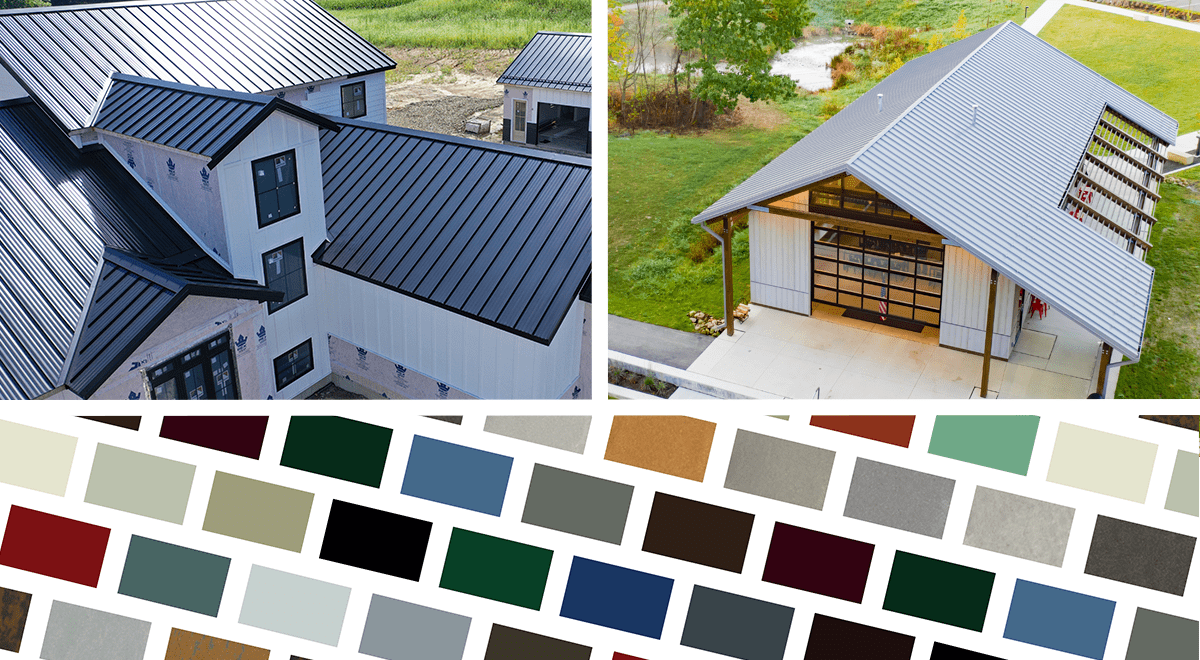
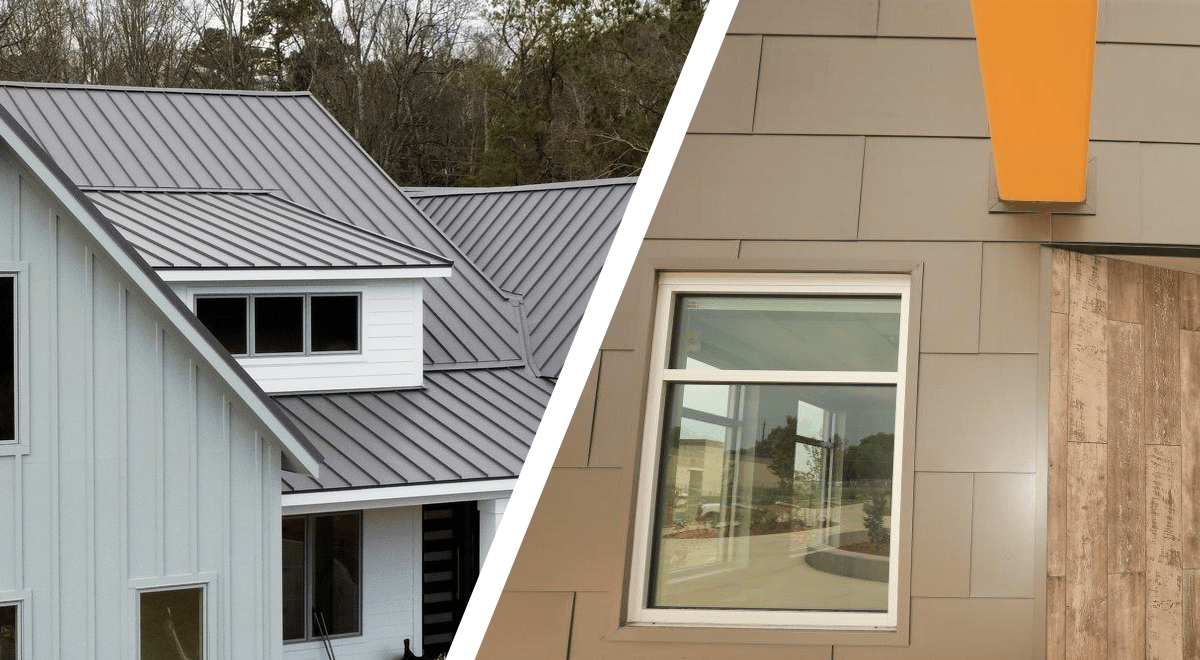
- Metal Roofing: Secure metal panels with screws and rubber washers to prevent leaks. Overlap panels according to manufacturer instructions.
- Polycarbonate Panels: Attach panels to purlins with specialized fasteners and seal edges to prevent water ingress.
Make sure to install drip edges along the eaves to direct water away from the structure.
Step 6: Finish and Inspect
- Add gutters if desired to control runoff water.
- Paint or stain wooden components to protect against weathering.
- Inspect all connections for tightness and stability.
- Ensure the roof slopes properly to avoid standing water.
Tips for Success When Building a Lean To Roof Against a House
- Safety First: Always use proper safety gear and secure ladders when working at heights.
- Work with a Partner: Some tasks like lifting rafters or holding boards are safer and easier with help.
- Use Quality Materials: Pressure-treated wood and durable roofing materials extend the life of your lean to roof.
- Check for Proper Ventilation: If the roof covers an enclosed space, ensure there is adequate ventilation to prevent moisture buildup.
- Maintain Your Roof: Regularly inspect for damage, leaks, or loose fasteners and address issues promptly.
Common Challenges and How to Overcome Them
Water Leakage
Improper flashing or poor slope can cause water leaks where the lean to roof meets the house. Ensure flashing is installed correctly and the pitch allows for adequate drainage.
Permitting Issues
Some municipalities require permits for attached structures. Always check local regulations before starting your project to avoid fines or forced removal.
Structural Stability
Improper attachment or undersized supports can lead to structural failure. Follow building codes and use appropriate hardware for a secure build.
Conclusion
Learning how to build a lean to roof against a house is a rewarding project that adds functional and aesthetic value to your property. With proper planning, quality materials, and attention to detail, you can construct a durable and attractive lean to roof that offers protection from the elements and expands your outdoor living space.
Whether you are an experienced DIYer or a beginner, following these steps will help you successfully complete your lean to roof project safely and efficiently.

Leave a Reply