Adding a gable roof to an existing house is a popular home improvement project that enhances both functionality and curb appeal. Whether you are expanding a room, building a porch, or replacing an old roof, knowing How To Make A Gable Roof Tying Into Existing House ensures a seamless connection between new and existing structures.
Read too: Is It Reasonable to Ask the Seller to Replace the Roof?
This comprehensive guide will cover planning, design considerations, materials, step-by-step construction instructions, safety precautions, and finishing touches. By following this guide, you will gain the skills and knowledge needed to create a strong, attractive, and weatherproof gable roof that integrates smoothly with your current home.
Understanding Gable Roofs
A gable roof is characterized by its triangular shape, with two sloping sides that meet at a central ridge. This design is popular due to:
- Efficient Water Drainage: Sloped surfaces quickly shed rain and snow.
- Additional Space: Creates attic space or vaulted ceilings.
- Aesthetic Appeal: Classic and versatile design complements various architectural styles.
- Ease of Construction: Simpler framing compared to complex roof types.
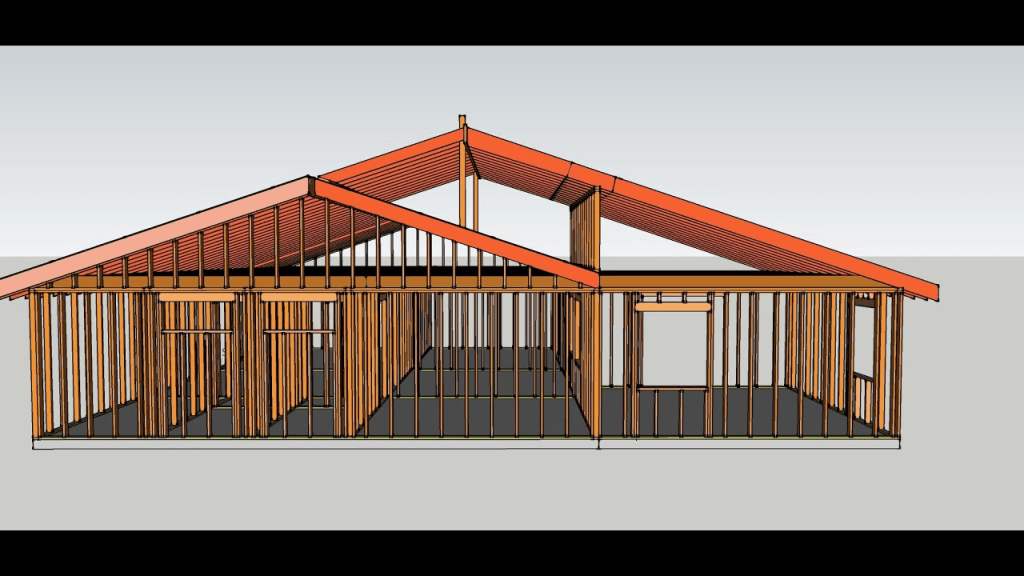
When tying a gable roof into an existing house, careful planning ensures proper alignment, structural support, and weatherproofing.
Tools and Materials Needed
Before starting your project, gather the following tools and materials:
- Measuring tape and level
- Carpenter’s square
- Chalk line
- Circular saw and hand saw
- Hammer or nail gun
- Screws and nails
- Lumber for rafters, ridge boards, and framing
- Plywood or OSB sheathing
- Roofing felt and shingles or metal roofing
- Flashing and sealant
- Safety gear: gloves, safety glasses, hard hat
Having the right tools ensures accuracy, efficiency, and safety throughout the construction process.
Planning and Design Considerations
Before construction, address these critical factors:
- Roof Pitch: Match the pitch of the existing roof for a seamless transition.
- Rafter Layout: Determine rafter spacing and length to align with existing framing.
- Structural Support: Ensure the house’s current walls can bear additional load.
- Waterproofing: Plan for flashing where the new gable meets the existing roof.
- Permits: Check local building codes and acquire necessary permits.
Proper planning prevents costly mistakes and ensures structural integrity.
Step-by-Step Guide: How To Make A Gable Roof Tying Into Existing House
Step 1: Assess the Existing Structure
- Inspect the current roof and walls for damage or weakness.
- Verify that the load-bearing walls can support the additional weight.
- Measure existing roof dimensions, pitch, and overhangs.
This assessment provides a clear starting point and ensures your new gable roof integrates correctly.
Step 2: Determine Roof Dimensions and Pitch
- Decide on the width, length, and height of the new gable.
- Match the pitch of the existing roof to maintain symmetry.
- Mark the roofline on the house exterior using chalk lines.
Accurate measurements prevent misalignment and simplify construction.
Step 3: Frame the Ridge and Rafters
- Cut a ridge board to the length of the gable roof.
- Cut rafters to the required length, factoring in overhangs.
- Install the ridge board at the top of the gable.
- Attach rafters to the ridge board using nails, screws, or metal connectors.
Proper framing ensures strength and stability for the new roof section.
Step 4: Tie Into Existing Roof
- Remove shingles or roofing material where the new gable will connect.
- Install ledger boards or blocking on the existing roof for secure attachment.
- Align the new rafters with the existing roof structure.
- Use flashing and sealant to prevent water intrusion at the junction.
This step is critical to prevent leaks and maintain structural integrity.
Step 5: Install Sheathing
- Cover the rafters with plywood or OSB panels.
- Ensure panels are flush with the existing roof edges.
- Nail panels securely to provide a base for roofing material.
Sheathing adds strength and a smooth surface for roofing installation.
Step 6: Apply Roofing Material
- Install roofing felt over the sheathing to protect against moisture.
- Apply shingles or metal roofing, overlapping the existing roof for a seamless appearance.
- Use flashing at edges, ridges, and valleys to prevent leaks.
- Trim and secure overhangs neatly for a professional finish.
Proper roofing ensures durability and weather resistance.
Safety Tips
- Wear Protective Gear: Gloves, glasses, and helmets prevent injuries.
- Use Stable Ladders: Ensure ladders and scaffolding are secure.
- Check Weather Conditions: Avoid working on roofs during rain, ice, or high winds.
- Support Rafters Properly: Temporary bracing prevents collapse during construction.
- Follow Local Codes: Compliance ensures safety and avoids legal issues.
Safety measures protect you and others during construction.
Common Challenges and Solutions
- Mismatched Roof Pitch: Adjust rafter angles or use transition flashing for a smooth tie-in.
- Water Leakage: Proper flashing and sealant prevent water penetration at the junction.
- Structural Weakness: Add support beams or consult a structural engineer for guidance.
- Alignment Issues: Use chalk lines, levels, and measurements to ensure rafters are straight.
- Material Shortages: Always buy extra shingles, nails, and lumber to accommodate errors.
Addressing challenges proactively ensures a durable and visually appealing roof.
Finishing Touches
- Paint or Stain Exposed Wood: Protects against moisture and enhances appearance.
- Install Gutters: Direct water away from the house foundation.
- Ventilation: Include ridge vents or soffit vents to prevent moisture buildup.
- Trim Work: Finish edges with fascia boards and soffits for a polished look.
Finishing touches enhance both functionality and aesthetic appeal.
Benefits of a Properly Integrated Gable Roof
- Improved Curb Appeal: Adds architectural interest and character to the home.
- Increased Space: Creates room for attic storage or vaulted ceilings.
- Enhanced Durability: Proper tie-in reduces risk of leaks and structural damage.
- Better Water Management: Sloped design directs water away from the house.
- Energy Efficiency: Proper insulation and ventilation reduce heating and cooling costs.
Integrating the new roof correctly maximizes these benefits and extends the life of your home.
Conclusion
Understanding How To Make A Gable Roof Tying Into Existing House is essential for any homeowner or contractor aiming to expand, upgrade, or replace a roof. By carefully planning, framing, and tying the new roof into the existing structure, you ensure a seamless, durable, and weather-resistant result.
Following proper techniques, safety guidelines, and finishing touches creates a roof that not only protects your home but also enhances its aesthetic appeal. Whether for a room addition, porch, or attic expansion, mastering this process allows you to achieve a professional-looking gable roof that integrates perfectly with your house.
Leave a Reply