Installing a new roof is a major investment, and timing can make a big difference in the quality of the installation. Many homeowners ask about the Best Temperatures To Put A Roof On A House because weather conditions affect how roofing materials seal, adhere, and perform over time.
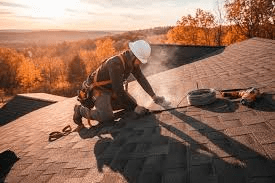
Understanding the ideal temperature range helps prevent issues like cracked shingles, poor sealing, or premature roof failure. In this guide, you’ll learn the optimal roofing temperatures, expert recommendations, and practical tips for successful roof installation.
Read too: Is It Reasonable to Ask the Seller to Replace the Roof?
Why Temperature Matters When Installing a Roof
Roofing materials are sensitive to environmental conditions. Temperature affects adhesive activation, material flexibility, and worker safety during installation.
For example:
- Asphalt shingles rely on heat to activate their sealant strips.
- Cold temperatures can make shingles brittle and prone to cracking.
- Extreme heat can soften materials too much, causing damage during installation.
According to roofing industry guidelines, improper installation temperature can shorten roof lifespan by up to 30%, especially for asphalt-based materials.
Temperature also impacts the curing process of roofing adhesives and underlayment systems. When temperatures are too low, adhesives may fail to bond properly, leaving the roof vulnerable to wind uplift and leaks.
Best Temperature Range for Roof Installation
The ideal temperature to install a roof typically falls between 40°F and 85°F (4°C–29°C).
Below is a simple overview of roofing performance by temperature:
| Temperature Range | Installation Quality | Notes |
|---|---|---|
| Below 40°F (4°C) | Poor | Shingles become brittle |
| 40°F–60°F (4–16°C) | Good | Requires careful sealing |
| 60°F–85°F (16–29°C) | Best | Ideal conditions |
| Above 85°F (29°C) | Acceptable | Risk of heat damage |
The sweet spot is usually 60°F–75°F (16–24°C) because shingles are flexible and adhesive strips activate properly.
Roofers often prefer working in spring or fall when temperatures remain stable.
How Roofing Materials React to Different Temperatures
Different roofing materials respond differently to temperature changes.
1. Asphalt Shingles
Asphalt shingles are the most common residential roofing material in the United States.
Temperature impact:
Cold weather
- Shingles become stiff
- Nails may crack shingles
- Adhesive strips may not seal
Warm weather
- Shingles become flexible
- Adhesive activates naturally
- Installation is smoother
For more information about asphalt roofing materials, see this resource on
https://en.wikipedia.org/wiki/Asphalt_shingle
2. Metal Roofing
Metal roofs are less temperature-sensitive but still affected by expansion and contraction.
Pros:
- Can be installed in colder conditions
- Durable across temperature ranges
Cons:
- Requires precise fastening to allow thermal movement
Ideal installation range: 30°F–90°F (-1°C–32°C).
3. Clay or Concrete Tiles
Tile roofing is heavy and less sensitive to temperature but requires stable weather.
Challenges in cold weather:
- Mortar curing slows down
- Increased risk of cracking during handling
Best temperature range: 50°F–85°F (10°C–29°C).
Can You Install a Roof in Cold Weather?
Yes, but extra precautions are required.
Professional roofers sometimes install roofs in temperatures as low as 20°F (-6°C), especially during emergency replacements.
However, the process requires additional steps.
Cold Weather Roofing Tips
- Store shingles in a warm place
Keep materials indoors at around 70°F (21°C) before installation. - Use hand-sealing techniques
Roofers manually apply roofing cement under each shingle. - Avoid bending shingles
Cold shingles can crack easily. - Install during the warmest part of the day
Usually between 11 AM and 3 PM.
These precautions ensure shingles seal correctly even when natural heat is limited.
Is Roofing in Hot Weather a Problem?
Hot weather roofing can also create challenges.
When temperatures exceed 90°F (32°C):
- Asphalt shingles may become too soft
- Workers may accidentally scuff or deform shingles
- Heat exposure increases safety risks
Heat-Related Installation Problems
- Footprints embedded in shingles
- Sealant over-activation
- Faster material degradation
Best Practices for Hot Weather Roofing
Roofers typically adjust their schedule:
- Work early in the morning
- Use roof boards to distribute weight
- Avoid midday peak heat
These strategies reduce damage to roofing materials.
Seasonal Guide: Best Time of Year to Install a Roof
While temperature matters most, seasons influence roofing schedules.
Spring Roofing
Pros:
- Moderate temperatures
- Comfortable working conditions
Cons:
- Rain may delay projects
Summer Roofing
Pros:
- Longer daylight hours
- Faster adhesive activation
Cons:
- Extreme heat risks
Fall Roofing (Best Season)
Most contractors consider fall the best season for roofing.
Benefits:
- Stable temperatures
- Lower humidity
- Ideal shingle sealing conditions
Winter Roofing
Possible but less ideal.
Challenges:
- Snow and ice hazards
- Brittle shingles
- Slower installation
Signs Your Roof Was Installed in the Wrong Temperature
Improper installation conditions can lead to noticeable problems.
Watch for these signs:
- Shingles lifting or curling
- Poor adhesive sealing
- Cracked or brittle shingles
- Uneven shingle alignment
- Premature roof leaks
If you notice these issues within the first year, a roofing inspection may be necessary.
Step-by-Step: Preparing for Roof Installation
Proper preparation helps ensure installation success regardless of temperature.
Step 1: Check the Weather Forecast
Look for 3–5 consecutive dry days with temperatures between 50°F and 80°F.
Step 2: Choose the Right Roofing Material
Some materials perform better in colder climates.
Examples:
- Metal roofs
- Synthetic shingles
- Modified bitumen systems
Step 3: Prepare Roofing Materials
Store materials properly:
- Dry environment
- Temperature above 60°F (15°C)
Step 4: Hire an Experienced Contractor
Experienced roofers understand how to adjust techniques based on temperature conditions.
Ask contractors about:
- Cold-weather installation procedures
- Manufacturer guidelines
- Warranty compliance
Step 5: Schedule the Installation
Plan the project during mild weather periods, ideally spring or fall.
Advantages vs Disadvantages of Roofing Temperature Conditions
Ideal Temperature (60°F–75°F)
Advantages
- Proper adhesive sealing
- Flexible shingles
- Safer working conditions
Disadvantages
- Limited seasonal availability
Cold Weather (Below 40°F)
Advantages
- Easier scheduling in off-season
- Lower contractor demand
Disadvantages
- Brittle materials
- Manual sealing required
- Increased labor time
Hot Weather (Above 90°F)
Advantages
- Fast adhesive activation
Disadvantages
- Shingle deformation risk
- Worker safety concerns
- Possible installation damage
Expert Advice from Roofing Professionals
According to many roofing contractors, temperature consistency matters more than exact temperature.
Sudden changes in temperature can cause:
- Expansion stress
- Adhesive failure
- Material warping
Experienced contractors recommend maintaining installation temperatures between 50°F and 80°F for at least 24 hours after installation to ensure proper sealing.
FAQ: Best Temperatures To Put A Roof On A House
What is the absolute minimum temperature for roofing?
Most roofing manufacturers recommend at least 40°F (4°C) for installing asphalt shingles. Below this temperature, manual sealing is usually required.
Can shingles seal in cold weather?
Yes, but they may take longer. In colder conditions, shingles may not seal until warmer weather arrives.
Is fall the best time to replace a roof?
Yes. Fall offers stable temperatures between 50°F and 70°F, which are ideal for asphalt shingles to seal properly.
Can rain affect roof installation?
Absolutely. Roofing should never be installed during rain because moisture can damage underlayment and reduce adhesive performance.
Do roof warranties depend on installation temperature?
Sometimes. Many manufacturers require installation according to recommended temperature guidelines to maintain warranty validity.
How long does it take for shingles to seal?
Typically 24–72 hours under normal temperatures. However, colder weather may delay sealing for several days or weeks.
Conclusion
Choosing the Best Temperatures To Put A Roof On A House is essential for durability, proper sealing, and long-term performance. The ideal range for most roofing materials is 60°F to 75°F (16°C–24°C), with fall and spring often providing the best installation conditions.
While roofing can still be done in colder or hotter weather, extra precautions are required to avoid installation problems. By planning your project around stable temperatures and hiring experienced professionals, you can ensure your roof performs well for decades.
If you found this guide helpful, consider sharing it on social media to help other homeowners plan their roofing projects more effectively.
Leave a Reply