Introduction
Buying a house is an exciting yet complex process. Many homebuyers focus on factors like location, price, and mortgage rates but often overlook the condition of the roof. A damaged or aging roof can lead to costly repairs down the road, making it essential to consider borrowing enough money to replace the roof when buying a house.
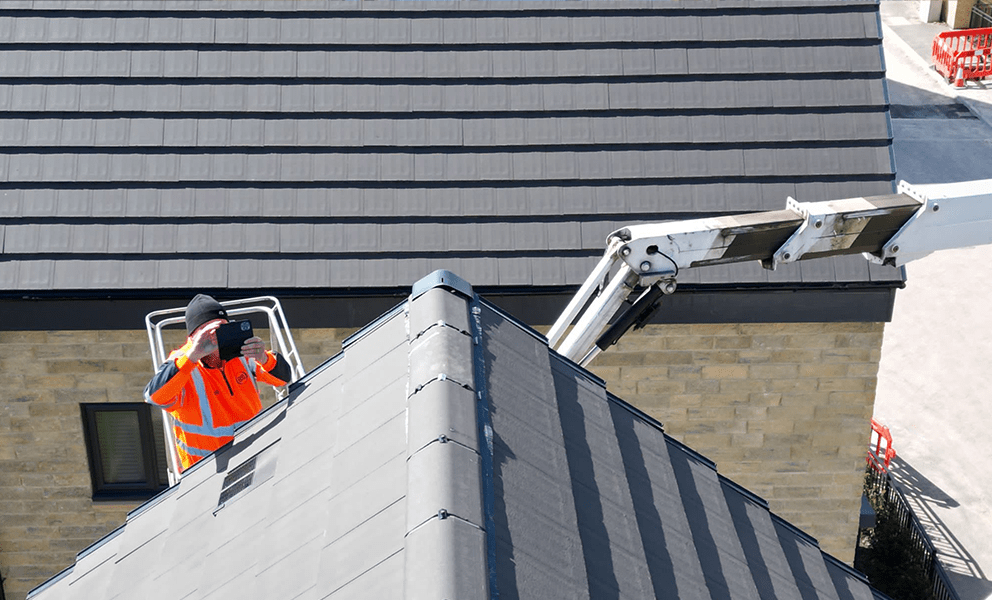
If the home you’re interested in has a roof that needs replacing, you may wonder how to secure enough funds to cover both the home purchase and the roofing costs. This guide will walk you through the best financing options, lender considerations, and strategies to ensure you have enough money to replace the roof without financial strain.
Read too: How To Replace Roof Shingles That Blew Off: A Comprehensive Guide
Why Roof Condition Matters When Buying a House
Before we dive into financing, let’s understand why the roof’s condition is critical when purchasing a home.
- Protection from Weather Damage – The roof shields your home from rain, snow, wind, and extreme temperatures. A failing roof can lead to leaks, mold growth, and interior damage.
- Energy Efficiency – An old or damaged roof may not be energy efficient, causing higher heating and cooling costs.
- Home Value and Insurance Costs – A well-maintained roof increases property value, while a deteriorating one can reduce the home’s marketability. Additionally, insurance companies may charge higher premiums or deny coverage for homes with outdated roofs.
- Costly Future Repairs – If you don’t address roofing issues early, minor damage can turn into a major financial burden.
By borrowing enough money to replace the roof when buying a house, you avoid unexpected expenses and ensure your investment is secure.
How to Determine If You Need a New Roof Before Buying a House
Not every home will need a complete roof replacement, but here are key signs that the roof may need immediate attention:
- Age of the Roof – Most asphalt shingle roofs last 20-30 years. If the home has an older roof, a replacement may be needed soon.
- Visible Damage – Look for missing shingles, curling edges, or signs of sagging.
- Leaks and Water Damage – Water stains on ceilings or walls indicate potential leaks.
- Moss or Algae Growth – Excessive moss growth can trap moisture and deteriorate shingles.
- Multiple Patches or Repairs – If the roof has been patched multiple times, it might be nearing the end of its lifespan.
Before finalizing your home purchase, hire a professional roofing inspector to assess the roof’s condition. If significant repairs or replacements are needed, you can borrow enough money to replace the roof when buying a house as part of your financing strategy.
Borrowing Enough Money to Replace Roof When Buying a House: Your Best Financing Options
If the home you’re purchasing requires a new roof, you have several options to secure funding.
1. Increase Your Mortgage Loan Amount
One way to finance a roof replacement is by increasing the amount you borrow with your home loan. Some mortgage options allow buyers to include home improvement costs, including a new roof.
- FHA 203(k) Loan – This government-backed loan helps buyers finance both the purchase of a home and necessary repairs. It’s ideal for homes that need major renovations, including a roof replacement.
- VA Renovation Loan – If you’re a qualified veteran, a VA renovation loan allows you to finance home improvements along with your mortgage.
- Conventional Loan with Renovation Funds – Some lenders offer conventional loans with built-in renovation financing, such as the Fannie Mae HomeStyle loan.
2. Home Equity Loan or HELOC
If the house appraises for more than the purchase price, you may be able to use a home equity loan or home equity line of credit (HELOC) to fund the roof replacement. These options are best if you have enough equity in the home.
- Home Equity Loan – A lump-sum loan that allows you to borrow against your home’s equity.
- HELOC – A flexible line of credit that lets you borrow as needed, similar to a credit card.
3. Personal Loans for Roof Replacement
A personal loan can be a quick way to finance a roof replacement. Since these loans don’t require home equity, they are accessible to new homeowners. However, they may have higher interest rates compared to mortgage-based options.
4. Seller Concessions and Negotiation
Before securing financing, try negotiating with the seller. You may be able to:
- Request a price reduction to cover the estimated roof replacement cost.
- Ask the seller to replace the roof before closing.
- Negotiate seller-paid closing costs so you can allocate more of your own funds toward the roof.
5. Roofing Company Financing
Many roofing companies offer financing plans, allowing homeowners to pay for a new roof in monthly installments. While convenient, these plans may have higher interest rates than mortgage-based financing.
How Much Money Should You Borrow to Replace a Roof?
The cost of a new roof varies based on factors like material, home size, and labor costs. Here’s a rough estimate of roofing expenses:
- Asphalt Shingles – $5,000 – $12,000
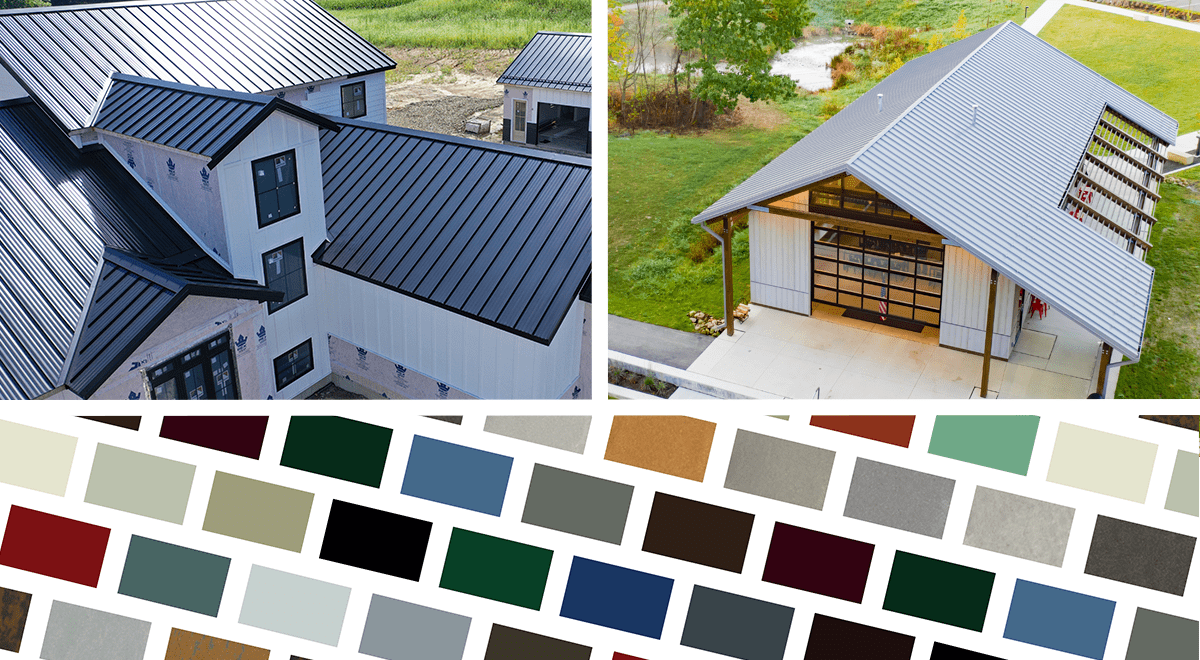
- Metal Roof – $10,000 – $25,000
- Tile Roof – $15,000 – $30,000
- Slate Roof – $20,000 – $40,000
When borrowing enough money to replace the roof when buying a house, consider getting multiple quotes from roofing contractors to determine the most accurate budget.
Final Tips for Financing a Roof Replacement When Buying a Home
- Get a Professional Roof Inspection – A certified inspector can provide an accurate assessment of the roof’s condition.
- Consult Your Lender – Discuss financing options with your mortgage lender to find the best solution for your situation.
- Plan for Unexpected Costs – Always budget extra for potential unforeseen expenses related to the roof replacement.
- Compare Loan Terms – If you’re considering a renovation loan, personal loan, or HELOC, compare interest rates, repayment terms, and fees.
- Work with a Reputable Roofing Contractor – Choose a licensed and insured roofing contractor to ensure high-quality work.
Conclusion
Borrowing enough money to replace the roof when buying a house is a crucial step to protecting your investment and avoiding costly repairs. Whether through a mortgage loan, personal loan, or home equity financing, there are multiple ways to secure the necessary funds. By evaluating your options, negotiating with the seller, and working with professionals, you can ensure your new home has a secure and durable roof for years to come.
Leave a Reply