Introduction
Owning or considering purchasing a house built in the early 1900s can be both exciting and concerning. These homes have rich histories, unique architectural details, and solid craftsmanship. However, one major concern that comes to mind is the condition of the roof. Can a 1900 old house still have a decent roof? Or would it require immediate and costly replacement?
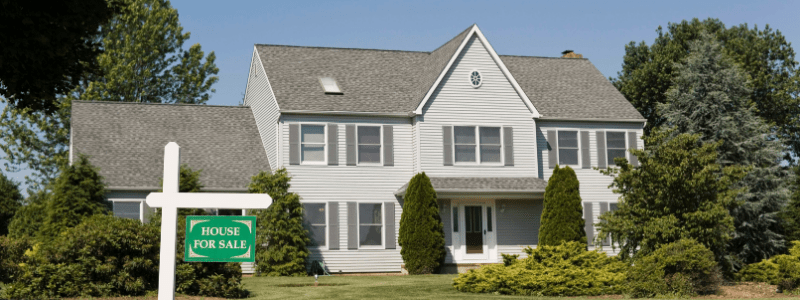
In this article, we will explore whether a roof on a 1900-era house can still be in good shape, the factors affecting its condition, and what homeowners should consider when assessing or restoring an old roof.
Read too: Is It Reasonable to Ask the Seller to Replace the Roof?
Can A 1900 Old House Still Have A Decent Roof?
The short answer is: Yes, it is possible! However, the condition of the roof will depend on several factors, such as maintenance history, materials used, and climate exposure. Many old homes have undergone roof replacements or significant repairs over the decades, which means some roofs may still be in great condition, while others could be at the end of their lifespan.
To understand this better, let’s break down the key elements that determine whether an old house’s roof is still in decent shape.
1. The Lifespan of Roofing Materials
Different roofing materials have different lifespans. If the roof of a 1900-era house has never been replaced, it is almost certain that the original roofing is no longer in good condition. However, most old houses have had their roofs replaced at least once or twice over the past century. Here’s a look at common roofing materials and how long they typically last:
- Slate Roofs – Can last 75 to 200 years with proper maintenance. Many houses from the early 1900s had slate roofs, which can still be in excellent condition today.
- Clay or Terracotta Tiles – Have a lifespan of 50 to 100 years. If well-maintained, a tile roof could still be structurally sound.
- Wood Shingles – Typically last 25 to 50 years. If the house still has its original wooden shingles, they likely need replacement.
- Metal Roofs – Can last 50 to 100 years, depending on the type of metal and maintenance.
- Asphalt Shingles – A popular roofing material since the early 1900s, but only lasts about 20 to 30 years. These roofs have most likely been replaced multiple times.
2. Signs That The Roof is Still in Good Condition
If you own or are looking to buy a house from the 1900s, here are some signs that the roof is still decent:
- No visible sagging or structural damage – A roof that maintains its original structure without sagging or bowing is a good sign.
- Minimal leaks or water damage – If there are no active leaks or major water stains inside the house, the roof is likely still doing its job.
- Well-maintained shingles or tiles – If the roofing materials are intact and show no severe wear, they may still have a long life ahead.
- Proper attic ventilation and insulation – Good airflow prevents moisture buildup, which can extend the roof’s lifespan.
3. Factors That Affect The Condition of a 1900 House’s Roof
Several factors determine whether an old house still has a decent roof:
- Climate and Weather Conditions – Houses in regions with heavy rain, snow, or high humidity tend to have roofs that wear out faster.
- Maintenance History – Regular inspections, repairs, and preventive maintenance can keep an old roof in great condition.
- Previous Renovations – If the house has had a full roof replacement with high-quality materials, the roof may still be structurally sound.
- Pest Infestations – Termites, rodents, or birds can damage roofing structures over time.
4. Should You Replace The Roof or Repair It?
If a 1900 house’s roof is showing minor issues, repairs may be enough to extend its lifespan. However, if the roof has severe damage, frequent leaks, or structural problems, a full replacement may be necessary.
Here’s how to decide:
Consider Roof Repairs If:
- The damage is limited to a few shingles or tiles.
- The roof is relatively new (less than 20 years old).
- Leaks are minor and easily fixable.
Consider Roof Replacement If:
- There are widespread leaks or structural issues.
- The roof has exceeded its expected lifespan.
- The home’s value would significantly increase with a new roof.
5. Restoring and Maintaining an Old Roof
If the roof of your 1900 house is still in decent shape, proper maintenance can ensure it lasts even longer. Here are some key maintenance tips:
- Regular Inspections – Have a professional inspect the roof at least once a year.
- Clean Gutters and Downspouts – Prevents water damage and roof deterioration.
- Repair Small Issues Promptly – Fix missing shingles, minor leaks, or cracks before they become major problems.
- Protect Against Moss and Algae Growth – These can damage the roofing material over time.
- Ensure Proper Ventilation – Helps prevent moisture buildup and rot.
6. The Cost of Replacing a Roof on a 1900 Old House
If a roof replacement is necessary, costs can vary based on factors such as materials, labor, and location. Here’s a general estimate for different roofing materials:
- Asphalt Shingles – $5,000 to $12,000
- Metal Roofing – $10,000 to $25,000
- Clay Tiles – $15,000 to $30,000
- Slate Roofing – $20,000 to $50,000
While replacing a roof can be expensive, it adds long-term value to the house and improves energy efficiency.
7. Hiring a Professional vs. DIY Roof Repair
If you’re dealing with minor roof repairs, DIY fixes may be an option. However, for major issues or full replacements, hiring a professional is the best choice. A licensed roofer ensures the job is done correctly, adheres to building codes, and provides warranties for their work.
Conclusion
So, can a 1900 old house still have a decent roof? Absolutely! While some roofs may need replacement due to age, others can still be in great condition if they’ve been properly maintained or renovated over time.
If you own or are considering buying a home from the early 1900s, a thorough roof inspection is essential. With proper care, even a century-old home can continue to provide a safe and beautiful living space for years to come.
Leave a Reply