Adding a second story to a flat roof house can be an excellent way to increase living space without having to move. Many homeowners consider this renovation to accommodate a growing family, add value to their property, or simply enhance their home’s overall functionality. But is it possible, and what should you consider before starting such a major project?
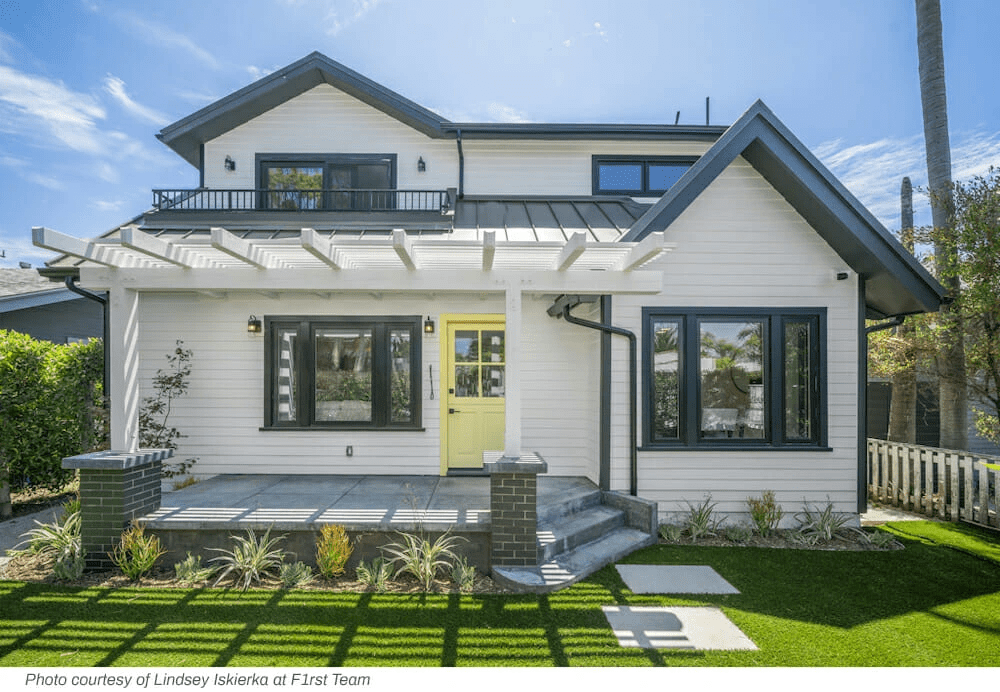
In this article, we will explore whether you can add a second story to a flat roof house, what factors you need to evaluate, and how the construction process works. We’ll also cover potential challenges, costs, and benefits to help you make an informed decision.
Read too: Hail Damage Roof Repair: Essential Guide to Restoring Your Home’s Protection
Can You Add a Second Story to a Flat Roof House?
Yes, you can add a second story to a flat roof house, but it requires careful planning and structural evaluation. Unlike homes with pitched roofs, flat roof houses may need additional reinforcements to support the extra weight of a new floor.
Before proceeding, it’s crucial to assess key factors such as:
- Structural integrity of the existing foundation
- Building permits and zoning regulations
- Design and architectural compatibility
- Construction costs and budget considerations
- Potential impact on plumbing, electrical, and HVAC systems
If your house is structurally sound and meets local building codes, adding a second story can be a great way to expand your home without increasing its footprint.
Factors to Consider Before Adding a Second Story
1. Structural Strength of the Existing Foundation
Your current foundation and walls must be able to support the weight of an additional story. Most modern flat roof houses are built with strong foundations, but older homes may require reinforcements.
A structural engineer should assess your home’s load-bearing capacity and determine if additional support is necessary. If your foundation isn’t strong enough, you may need to invest in upgrades, which could significantly impact your budget.
2. Local Building Codes and Permits
Before starting any construction, check with your local building authority. Some areas have restrictions on height, square footage, and zoning laws that may limit your ability to add a second story.
You will likely need permits for:
- Structural modifications
- Electrical and plumbing extensions
- Zoning adjustments (if applicable)
Hiring an experienced contractor who understands local codes can help ensure your project runs smoothly.
3. Architectural and Design Compatibility
Adding a second story should blend seamlessly with your home’s existing design. This means considering:
- Exterior aesthetics: Matching materials and architectural style
- Interior layout: Efficient use of new space without disrupting lower levels
- Natural lighting: Maintaining windows and ventilation for a comfortable living space
A skilled architect can help create a design that complements your home’s existing structure while maximizing functionality.
4. Impact on Utilities (Plumbing, Electrical, HVAC)
Extending your home upward means modifying existing plumbing, electrical wiring, and HVAC systems. Some key considerations include:
- Running new plumbing lines to bathrooms and kitchens
- Expanding electrical circuits to handle additional rooms
- Upgrading HVAC systems for proper heating and cooling
These modifications can add to the overall cost, so it’s essential to factor them into your budget.
5. Temporary Housing During Construction
Depending on the complexity of the project, you may need to vacate your home during construction. If major structural changes are required, living in the house could be unsafe.
Plan ahead for alternative living arrangements to minimize disruptions.
Steps to Add a Second Story to a Flat Roof House
Step 1: Structural Assessment and Planning
Hire a structural engineer and architect to evaluate your home and create blueprints for the second story.
Step 2: Obtain Permits and Approvals
Work with your contractor to secure the necessary building permits from your local municipality.
Step 3: Reinforce the Foundation (If Needed)
If your foundation isn’t strong enough, additional support—such as steel beams or concrete reinforcements—may be required.
Step 4: Remove the Existing Roof
Since the new floor will be built on top of the existing structure, your current roof will need to be removed.
Step 5: Construct the Second Story
Builders will install new walls, flooring, and roofing while ensuring proper integration with the lower level.
Step 6: Extend Utilities (Plumbing, Electrical, HVAC)
Professionals will update plumbing, electrical, and heating/cooling systems to serve the new space.
Step 7: Interior Finishing
Once construction is complete, interior finishing—such as drywall, flooring, painting, and lighting—will be installed.
Step 8: Final Inspection and Approval
Before moving in, a final inspection will ensure that the new addition meets all building codes and safety regulations.
Pros and Cons of Adding a Second Story to a Flat Roof House
Pros:
✅ Increases Living Space – Gain extra bedrooms, bathrooms, or a home office without expanding outward.
✅ Adds Property Value – A well-designed second story can significantly boost home resale value.
✅ Enhances Home Aesthetics – A second story can improve curb appeal with a more modern design.
✅ Maximizes Land Use – If you have limited yard space, building upward is a smart way to expand.
Cons:
❌ High Costs – Depending on structural modifications, costs can range from $50,000 to over $200,000.
❌ Requires Temporary Relocation – Major renovations may make your home unlivable during construction.
❌ Possible Structural Limitations – Older homes may require expensive foundation reinforcements.
❌ Permit and Zoning Restrictions – Some local laws may limit your ability to build up.
Cost Estimates for Adding a Second Story
The total cost of adding a second story depends on various factors, including square footage, materials, and labor. Here’s a rough breakdown:
| Project Component | Estimated Cost |
|---|---|
| Architectural Design & Permits | $5,000 – $15,000 |
| Structural Reinforcement | $10,000 – $50,000 |
| Roofing & Framing | $20,000 – $60,000 |
| Electrical & Plumbing | $10,000 – $30,000 |
| Interior Finishing | $15,000 – $50,000 |
| Total Estimated Cost | $50,000 – $200,000+ |
Hiring a professional contractor for an accurate quote is essential before committing to the project.
Final Thoughts
So, can you add a second story to a flat roof house? Yes, but it requires careful planning, structural assessments, and budget considerations. If your home is structurally sound and meets local zoning laws, this renovation can add significant value and functionality to your property.
Before starting, consult with professionals to assess feasibility, design an aesthetically pleasing second story, and ensure compliance with building codes. With the right planning and execution, adding a second story can be one of the best investments for your home.

Leave a Reply