Can You Install A Roof In The Winter? Installing a roof during winter months can present challenges and considerations that homeowners should be aware of before undertaking such a project.
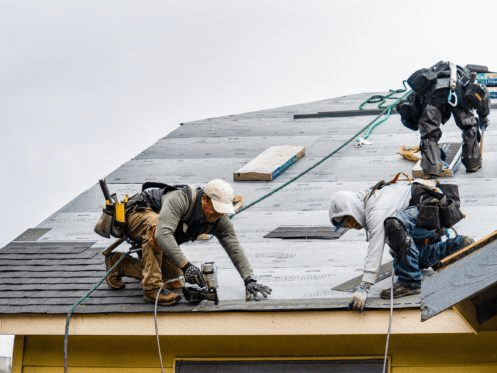
Can You Install A Roof In The Winter
Winter weather brings unique challenges to roofing projects, but it is possible under certain conditions.
Factors to Consider for Winter Roof Installation
Weather Conditions
- Temperature: Cold temperatures can affect the materials used in roofing installations, such as shingles and adhesives. Manufacturers often recommend specific temperature ranges for installation.
- Snow and Ice: Accumulated snow and ice on the roof can make the installation process hazardous for workers and may affect the quality of the installation.
- Wind: Winter winds can pose safety risks and may impact the installation process, especially for materials like shingles that can be lifted by strong gusts.
Read too: How To Replace A Mobile Home Roof: Step-by-Step Guide for Homeowners
Material Considerations
- Shingles: Some types of shingles, such as asphalt, may become brittle in cold weather, affecting their flexibility and installation quality.
- Adhesives and Sealants: Cold temperatures can affect the performance of adhesives and sealants used in roofing, potentially compromising their effectiveness.
Contractor Expertise
- Experience: Choose a roofing contractor with experience in winter installations. They should understand the challenges posed by cold weather and have strategies to mitigate them.
- Safety Measures: Contractors should implement safety measures to protect workers and ensure the quality of the installation despite winter conditions.
Benefits of Winter Roof Installation
- Availability: Roofing companies may have more availability and shorter lead times during winter months, as demand tends to be lower.
- Preparedness for Spring: Installing a roof in winter can prepare your home for the upcoming spring rains and storms, providing peace of mind and protection.
Steps to Prepare for Winter Roof Installation
- Consultation: Schedule a consultation with a roofing contractor to assess the feasibility of winter installation for your specific roofing needs.
- Materials Selection: Work with your contractor to select roofing materials that are suitable for cold weather installation and have been tested to perform well in winter conditions.
- Scheduling: Plan the installation around favorable weather conditions and ensure that proper precautions are taken to protect against potential weather-related delays.
Conclusion
In conclusion, while installing a roof in winter presents challenges, it can be done with careful planning, the right materials, and experienced contractors. Consider the factors mentioned to ensure a successful winter roofing project that protects your home effectively.
Leave a Reply