Your roof is an essential part of your home’s exterior, providing protection from the elements and enhancing its overall aesthetics. However, over time, you may notice that your roof shingles have become discolored, detracting from the beauty of your property. In this article, we will explore the causes of discolored roof shingles, discuss preventative measures, and provide insights into restoring the appearance of your roof.
Understanding Discolored Roof Shingles
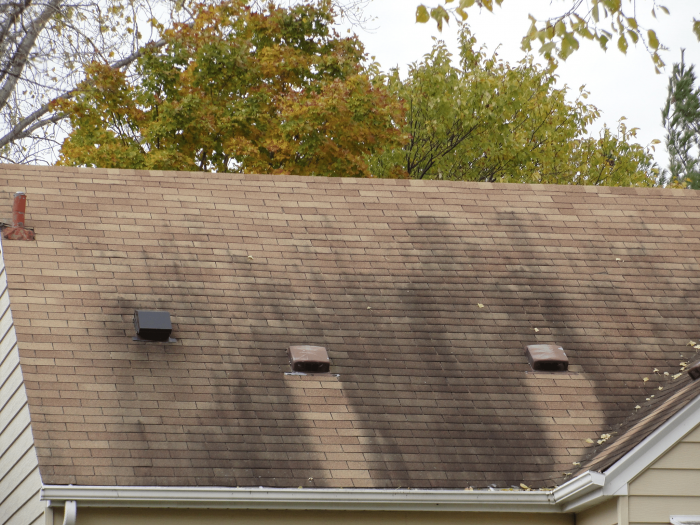
Discolored roof shingles refer to the loss of color or the presence of unsightly stains on the surface of the shingles. This discoloration can occur due to several factors, including:
1. Algae Growth: Algae, particularly a type called Gloeocapsa magma, can thrive in humid and shaded environments. It appears as dark streaks or greenish-black patches on the roof. Algae growth is a common cause of discoloration, especially in regions with high humidity levels.
2. Moss and Lichen: Moss and lichen are another common culprit for discolored roof shingles. These organisms thrive in damp and shaded areas, often forming green or brown patches on the surface. Besides discoloration, moss and lichen can trap moisture and lead to roof damage if left untreated.
3. Sun Exposure: Prolonged exposure to sunlight can cause roof shingles to fade and lose their original color. The ultraviolet (UV) rays from the sun can break down the pigments in the shingles, resulting in a washed-out appearance.
Preventing Discolored Roof Shingles
While it may not be possible to completely eliminate the risk of discolored roof shingles, there are preventive measures you can take to minimize the likelihood:
1. Regular Maintenance: Keeping your roof clean and free from debris is crucial in preventing the growth of algae, moss, and lichen. Trim overhanging tree branches to allow sunlight and improve air circulation, reducing dampness and shade on the roof.
2. Biocide Treatments: Applying biocide treatments or algae-resistant roofing materials can help inhibit the growth of algae and prevent discoloration. Consult with a professional roofing contractor to determine the best treatment options for your specific needs.
3. Roof Ventilation: Proper roof ventilation plays a significant role in maintaining a healthy roof environment. It helps prevent excessive moisture buildup, reducing the conditions favorable for algae, moss, and lichen growth.
Restoring Discolored Roof Shingles
If your roof have already become discolored, there are restoration options available to revive their appearance:
1. Roof Cleaning: Professional roof cleaning services can effectively remove algae, moss, and lichen from the surface of your roof. Using specialized cleaning solutions and techniques, these experts can restore the original color and cleanliness of your shingles.
2. Stain Removal: In cases where the discoloration is caused by stains other than biological growth, such as rust or mineral deposits, specific stain removal techniques may be required. Professional roofers can assess the type of stain and employ appropriate methods to eliminate it without causing further damage to the shingles.
3. Roof Replacement: If the discoloration and damage to the shingles are extensive, a roof replacement may be necessary. Consult with a qualified roofing professional to assess the condition of your roof and determine the most suitable course of action.
Conclusion
Discolored roof shingles can detract from the overall beauty and integrity of your home’s exterior. Understanding the causes of discoloration and taking preventative measures can help maintain the appearance and longevity of your roof. If your roof have already become discolored, professional cleaning and stain removal techniques can restore their original color and beauty.
Investing in the care and maintenance of your roof is essential to preserve its functionality and visual appeal. Consult with roofing professionals to assess your specific situation and develop a plan to prevent and address discolored roof shingles effectively.
Leave a Reply