Winter brings its own set of challenges for homeowners, especially when it comes to protecting their roofs from ice dams. One common question that arises is whether ice dams form on metal roofs. In this article, we will delve into this topic and explore the factors that contribute to ice dam formation on metal roofs, as well as effective solutions to prevent their occurrence.
Understanding Ice Dams
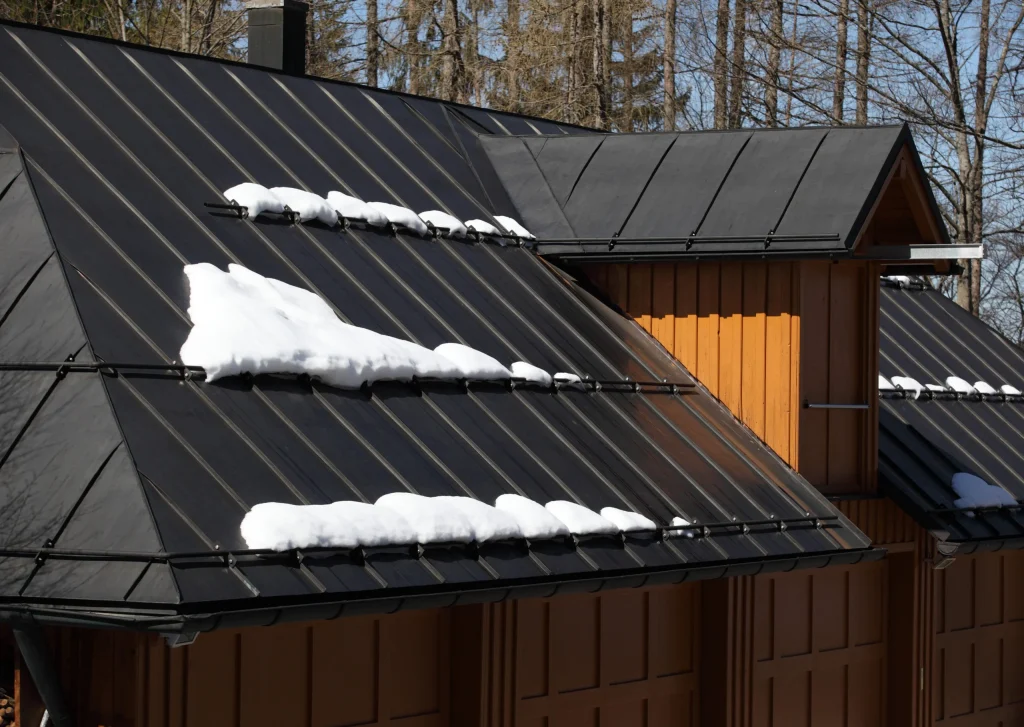
Before discussing ice dams on metal roofs, let’s first understand what ice dams are. Ice dams are ridges of ice that form at the edge of a roof, typically along the eaves. They prevent melting snow from properly draining off the roof, leading to potential water damage and leaks. Ice dams are more prevalent in cold climates with frequent snowfall and fluctuating temperatures.
Factors Influencing Ice Dam Formation on Metal Roofs
While metal roofs are known for their durability and resistance to many weather conditions, including snow and ice, certain factors can contribute to ice dam formation:
- Insufficient Insulation: Inadequate insulation in the attic or roof can lead to heat loss, causing the snow on the roof to melt and refreeze along the eaves.
- Inadequate Ventilation: Poor ventilation in the attic traps warm air, which can raise the roof temperature and contribute to melting snow that refreezes at the edges.
- Heat Sources: Ventilation ducts, chimneys, or other heat-emitting sources located close to the roof can create localized warm spots, leading to ice dam formation.
Preventive Measures for Ice Dam Formation on Metal Roofs
Fortunately, there are several measures homeowners can take to prevent ice dam formation on their metal roofs:
- Adequate Insulation: Ensure the attic or roof is properly insulated to minimize heat loss and maintain a consistent roof temperature.
- Improved Ventilation: Install adequate ventilation systems, such as soffit vents and ridge vents, to allow proper airflow and reduce heat buildup in the attic.
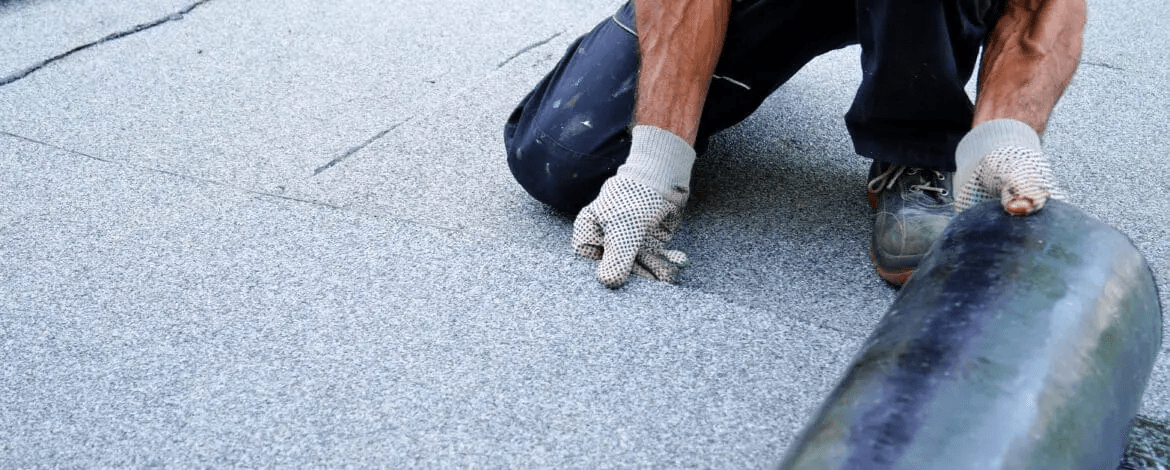
- Ice and Water Shield: Consider installing an ice and water shield membrane under the metal roofing material. This provides an extra layer of protection against water infiltration and ice dam formation.
- Snow Removal: Safely remove snow from the roof using a roof rake or hire professionals to prevent excessive snow buildup, which can contribute to ice dam formation.
Consultation with Roofing Professionals
In some cases, consulting with roofing professionals can provide valuable insights and solutions tailored to your specific roofing situation. They can assess your roof’s condition, insulation, and ventilation, and recommend the most effective preventive measures to combat ice dams.
Conclusion:
While metal roofs generally exhibit excellent resistance to ice dam formation, certain factors can still contribute to their occurrence. By understanding factors like insulation, ventilation, and snow removal, homeowners can prevent ice dams on metal roofs. When in doubt, it is always beneficial to seek advice from roofing professionals who can provide tailored solutions for your specific roofing needs. Protect your home this winter and ensure a safe and well-maintained roof throughout the cold season.
Leave a Reply