When summer rolls around and temperatures soar, you might notice your home feeling warmer than usual. If your house has an older roof, you may wonder: Does an old roof allow more heat in the house? This is an important question because the condition and materials of your roof significantly affect your home’s energy efficiency, comfort, and cooling costs.
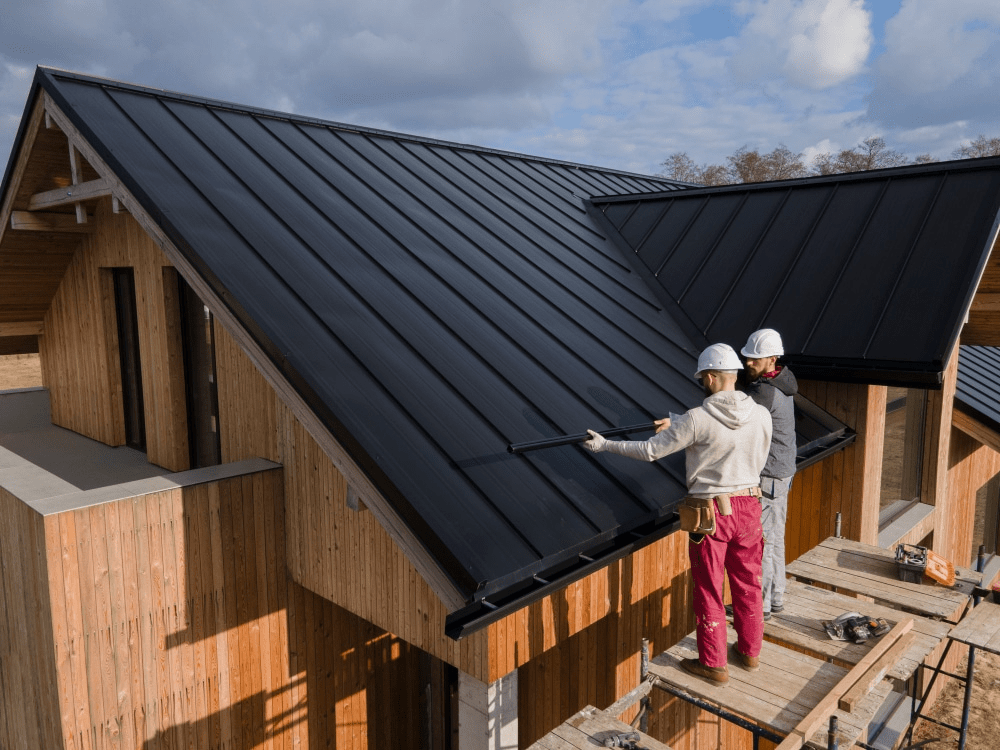
In this article, we’ll explore how an aging roof influences heat gain inside your home, why older roofs might let more heat in, and what homeowners can do to improve their roofing system to stay cool and reduce energy bills. We’ll also break down common roof materials, the role of insulation, ventilation, and when it might be time for a roof replacement.
Read too: Hail Damage Roof Repair: Essential Guide to Restoring Your Home’s Protection
How Does a Roof Affect Heat in Your Home?
Your roof is one of the primary barriers between the outside environment and your living space. It protects your home from rain, snow, and sun. When it comes to heat, the roof plays a critical role in how much solar energy enters your house and how much heat is retained or reflected away.
Roofs absorb sunlight, and this solar radiation converts to heat. That heat can then transfer into your home, raising indoor temperatures. The amount of heat transferred depends on several factors:
- Roof material and color: Darker materials absorb more heat, while lighter, reflective materials reflect sunlight.
- Age and condition: An old roof may have worn materials, cracks, or missing granules, reducing its ability to reflect heat.
- Insulation and ventilation: Proper insulation under the roof and adequate attic ventilation help reduce heat transfer.
- Roof structure and design: Roof slope and ventilation openings can influence heat buildup.
Does An Old Roof Allow More Heat In The House? Here’s What You Need To Know
A key question for many homeowners is, does an old roof allow more heat in the house? The short answer is yes, in many cases, an aging roof can contribute to increased heat gain inside your home.
Here’s why:
1. Worn-Out Roofing Materials Reduce Reflectivity
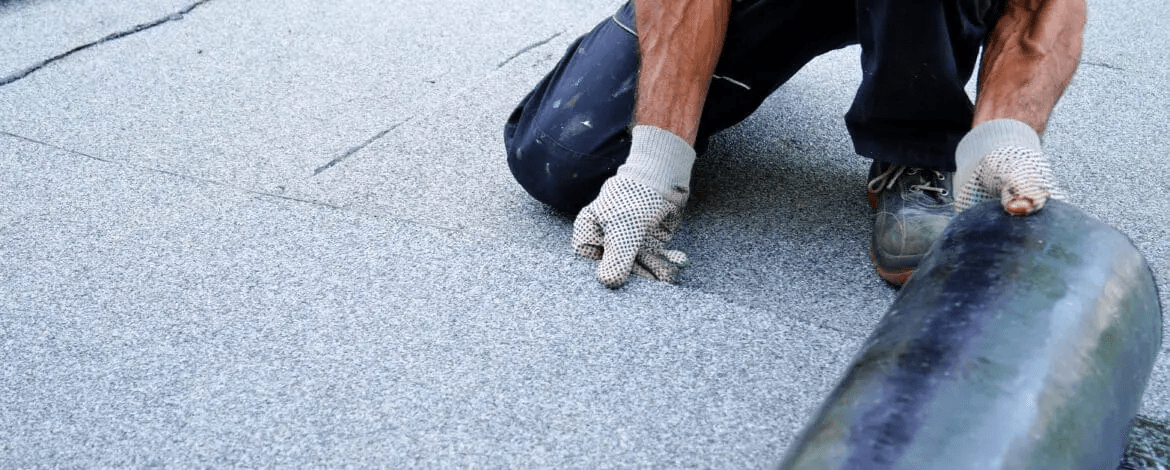
Many roofing materials, such as asphalt shingles, have granules that protect the roof from UV rays and help reflect sunlight. Over time, these granules can wear off due to weather exposure, wind, and debris. When the granules wear down, the roof’s surface becomes less reflective and more absorbent, causing more heat to be absorbed.
2. Cracks, Gaps, and Damage Increase Heat Transfer
An old roof is more prone to cracks, gaps, and general wear and tear. These imperfections can allow hot air to penetrate the roof structure and enter the attic or living space, increasing the overall indoor temperature.
3. Deteriorated Insulation and Ventilation
Roof age often correlates with the condition of attic insulation and ventilation. If your roof is old, chances are the insulation underneath may have degraded, become compressed, or shifted. Poor ventilation combined with inadequate insulation allows heat to build up in the attic, which then radiates downward into your home.
4. Decreased Energy Efficiency
Because an old roof absorbs more heat and allows it to enter your home, your air conditioning system has to work harder to keep indoor temperatures comfortable. This means higher energy consumption and increased utility bills.
Signs That Your Old Roof Is Letting More Heat Into Your House
If you suspect your roof is the culprit behind rising indoor temperatures, look out for these common signs:
- Hot attic space during summer months
- Higher than usual energy bills for cooling
- Uneven indoor temperatures or hot spots near the ceiling
- Visible roof damage such as missing shingles or faded granules
- Increased wear on your air conditioning unit
How to Improve Heat Resistance in an Old Roof
If replacing your roof isn’t an immediate option, there are steps you can take to reduce heat gain caused by an aging roof:
1. Apply Roof Coatings or Reflective Paints
Cool roof coatings and reflective paints can be applied to existing roofs to increase reflectivity. These products reduce heat absorption and help lower indoor temperatures.
2. Upgrade Insulation
Adding or upgrading attic insulation improves the barrier between the hot roof and your living space. Consider spray foam or blown-in insulation for better coverage.
3. Improve Ventilation
Proper attic ventilation helps expel hot air and regulate temperature. Ridge vents, soffit vents, and attic fans can promote airflow and reduce heat buildup.
4. Seal Air Leaks
Check for cracks, gaps, or holes in your roof or attic and seal them to prevent hot air from entering your home.
5. Install Radiant Barriers
Radiant barriers are reflective materials installed in the attic that reflect radiant heat away from the living space.
When Should You Consider Replacing an Old Roof?
While the above measures can help, sometimes an old roof’s condition is too deteriorated to effectively keep heat out. Consider replacing your roof if:
- It is over 20-25 years old and showing significant wear.
- You notice frequent leaks or structural damage.
- Energy bills continue to rise despite improvements.
- Your roof’s materials no longer have protective granules.
- You want to upgrade to modern cool roofing materials.
Cool Roofing Materials That Help Keep Heat Out
If you decide to replace your roof, consider cool roofing options designed to minimize heat absorption:
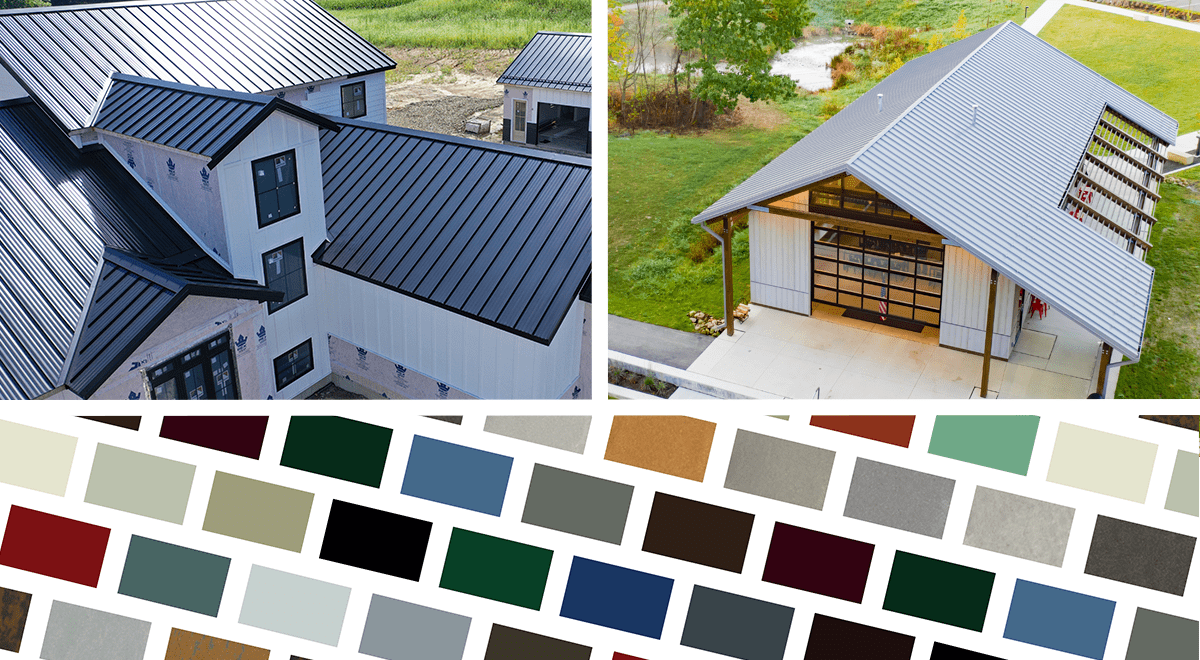
- Metal roofs with reflective coatings
- Light-colored asphalt shingles
- Clay or concrete tiles with reflective surfaces
- Synthetic roofing materials engineered for high solar reflectance
These materials can significantly reduce heat gain, keeping your home cooler and lowering energy costs.
Summary: Does An Old Roof Allow More Heat In The House?
In conclusion, does an old roof allow more heat in the house? The answer is generally yes. Aging roofing materials lose their protective granules and reflectivity, cracks and damage increase heat transfer, and deteriorated insulation and ventilation allow heat to accumulate in your attic and living space.
By understanding these factors, you can take steps to improve your roof’s heat resistance or decide when a replacement is the best long-term solution. Maintaining your roof’s condition plays a vital role in home comfort and energy efficiency, especially in warmer climates.
Leave a Reply