Many homeowners notice leaks, cracks, or stains exactly where a flat roof connects to the house—but don’t know what that area is actually called. This confusion often leads to improper repairs and recurring damage. In this guide, we’ll clearly explain Flat Roof Where It Mets The The House Called, why it’s critical, and how to protect it properly.
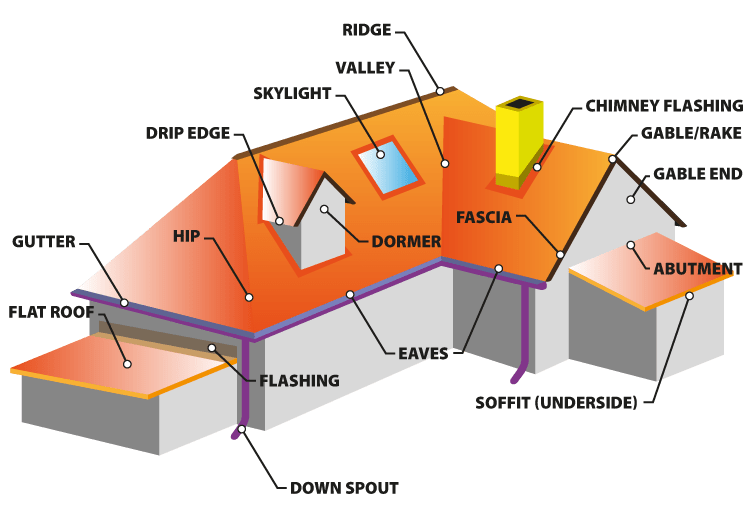
Flat Roof Where It Mets The The House Called?
The area where a flat roof meets the vertical wall of a house is most commonly called the roof-to-wall junction. Depending on the design, it may also involve specific components such as:
- Flashing
- Parapet wall
- Roof termination bar
- Upstand
Understanding the correct terminology helps you communicate better with contractors, inspectors, and insurance adjusters.
Read too: How Long Do Standing Seam Metal Roofs Last? A Comprehensive Guide to Durability and Longevity
What Is a Roof-to-Wall Junction?
A roof-to-wall junction is the transition point where a horizontal (or low-slope) roof surface meets a vertical wall. This is one of the most vulnerable areas of any building envelope.
According to building science studies, over 70% of flat roof leaks originate at penetrations and junctions, not in the middle of the roof surface.
Why this area is critical:
- Water naturally flows toward edges
- Materials expand and contract differently
- Poor detailing leads to capillary water intrusion
Common Names Used for This Flat Roof Area
Homeowners often hear different terms depending on region or contractor preference.
1. Flashing (Most Important Component)
Flashing is a thin material—usually metal, rubber, or membrane—installed to seal the joint between the flat roof and the wall.
Types include:
- Base flashing
- Counterflashing
- Step flashing (less common on flat roofs)
2. Parapet Wall (If the Wall Extends Above the Roof)
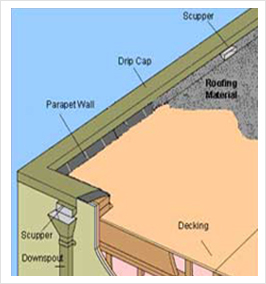
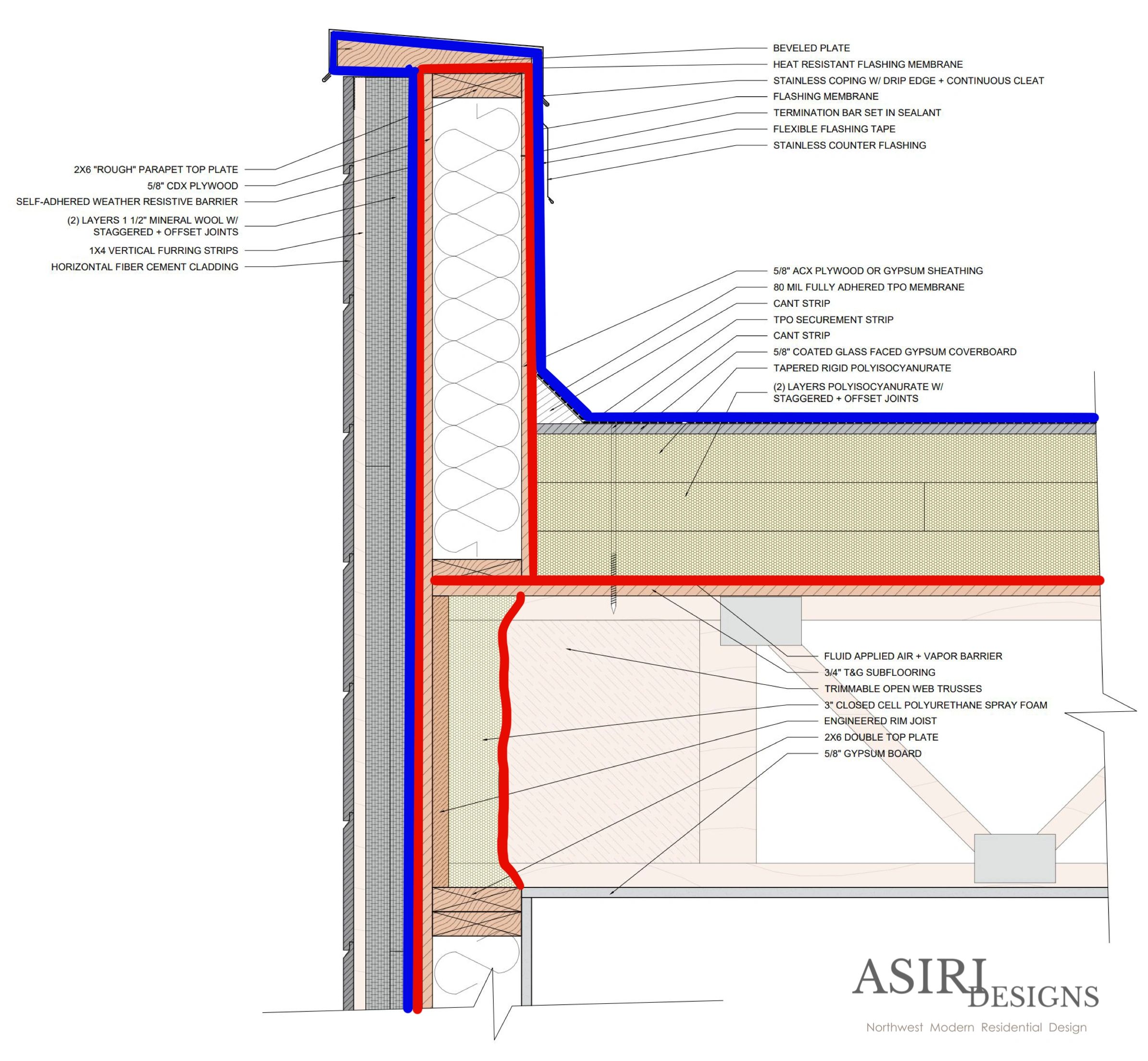

A parapet wall is a low wall that extends above the roofline.
Benefits:
- Improves wind resistance
- Hides roof membrane edges
- Enhances fire protection
Downside:
Parapets increase leak risk if flashing fails.
3. Upstand (Technical Term)
An upstand refers to the vertical portion of waterproofing that rises up the wall—usually 8–12 inches—before being terminated.
Building codes typically require:
- Minimum 8 inches above roof surface
- Secure termination bar
- Counterflashing protection
Why This Area Is the Most Common Source of Flat Roof Leaks
Main Reasons:
- Improper flashing installation
- Insufficient upstand height
- UV degradation
- Thermal movement
- Poor drainage design
According to data summarized by Wikipedia’s roofing overview, flashing failure is a primary cause of roof system breakdowns.
Source: https://en.wikipedia.org/wiki/Flashing_(roofing)
Flat Roof Wall Junction: Correct Construction Method (Step-by-Step)
Step 1: Prepare the Wall Surface
- Clean debris and dust
- Repair cracks larger than 3 mm
- Ensure surface dryness (moisture below 15%)
Step 2: Install Base Flashing
- Use compatible material (EPDM, TPO, modified bitumen)
- Extend at least 8 inches vertically
- Fully adhere using manufacturer-approved adhesive
Step 3: Secure With Termination Bar
- Fasten every 6–8 inches
- Use corrosion-resistant screws
- Apply sealant bead (polyurethane recommended)
Step 4: Add Counterflashing
- Protects top edge from UV and water
- Metal or membrane-based
- Sloped outward to shed water
Step 5: Final Inspection
- Check for wrinkles or gaps
- Water test using low-pressure hose for 15 minutes
Flat Roof Junction Types (Comparison Table)
| Junction Type | Best Use Case | Leak Risk | Maintenance |
|---|---|---|---|
| Simple flashing | Budget projects | Medium | Moderate |
| Parapet wall | Commercial / modern homes | Medium–High | High |
| Reglet counterflashing | Masonry walls | Low | Low |
| Termination bar only | Temporary fixes | High | Frequent |
Signs Your Flat Roof Wall Junction Is Failing
Watch for these early warning signs:
- Interior wall stains near ceiling edges
- Bubbling or lifting membrane
- Cracked sealant lines
- Rusted flashing
- Mold smell after rain
Early repair can reduce costs by up to 60% compared to full membrane replacement.
Repair vs Replacement: Which Is Better?
Repair Is Suitable If:
- Damage is localized
- Flashing is intact but sealant failed
- Roof is under 10 years old
Replacement Is Better If:
- Repeated leaks occur
- Flashing metal is corroded
- Membrane shrinkage is visible
How Long Should This Area Last?
With proper installation:
- Metal flashing: 20–30 years
- Rubber membranes: 15–25 years
- Sealants: 5–10 years (needs reapplication)
Annual inspections are strongly recommended.
FAQ – Flat Roof Where It Mets The The House Called
Q1: What is the exact name of where a flat roof meets a wall?
A: The most accurate general term is roof-to-wall junction, usually protected by flashing.
Q2: Is flashing mandatory by building code?
A: Yes. Most building codes require flashing at all roof-to-wall intersections to prevent water intrusion.
Q3: Can I seal this area with caulk only?
A: No. Caulk alone is a temporary fix and will fail without proper flashing underneath.
Q4: How high should flat roof flashing go up the wall?
A: Typically 8–12 inches, depending on local code and roof type.
Q5: Why does my flat roof leak only during heavy rain?
A: Wind-driven rain can force water behind failed flashing, especially at roof-to-wall junctions.
Conclusion
So, Flat Roof Where It Mets The The House Called is best described as the roof-to-wall junction, and it’s one of the most critical areas of your entire roofing system. Understanding its components—flashing, upstands, and parapet walls—can help you prevent leaks, reduce repair costs, and extend roof life.
If this guide helped you understand your roof better, share it on social media so other homeowners can avoid costly flat roof mistakes.
Leave a Reply