A new roof is a major investment, so it’s important to know how long it will take to install. The answer to this question depends on a number of factors, including the size of your roof, the type of roofing material you choose, the complexity of your roof, and the weather conditions.
In this article, we will discuss the factors that affect the installation time of a new roof in more detail. We will also provide a general estimate of how long it takes to install a new roof for an average-sized home.
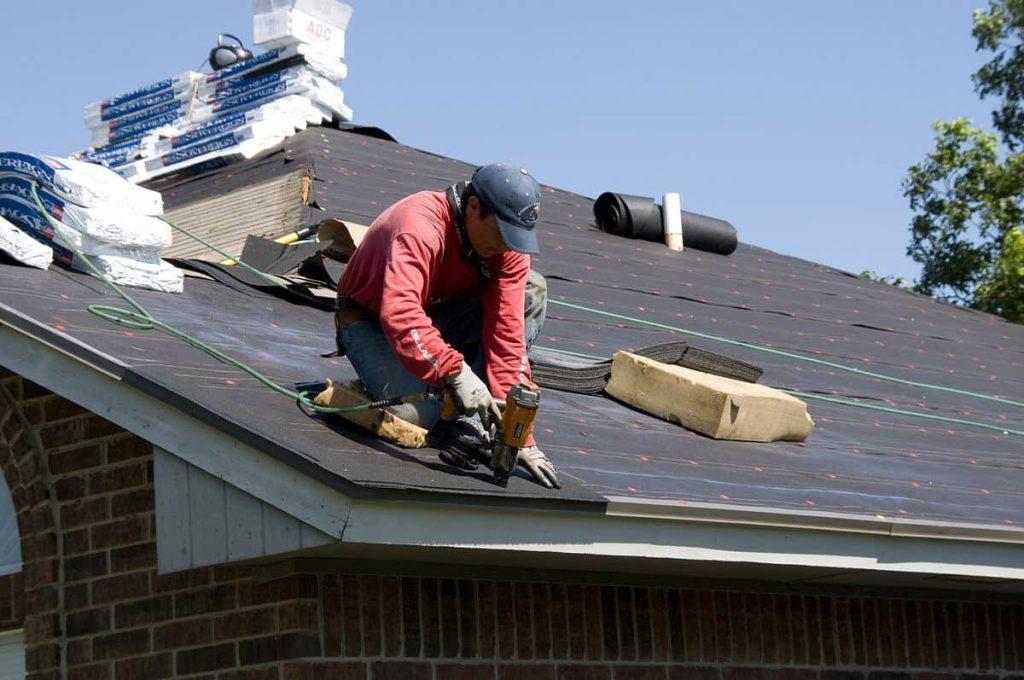
Factors Affecting Installation Time
Size
The size of your roof is the most important factor affecting installation time. A larger roof will take longer to install than a smaller roof. For example, a single-family home with a 2,000-square-foot roof will typically take one to two days to install, while a commercial building with a 10,000-square-foot roof will typically take two to three days to install.
Type of Roofing Material
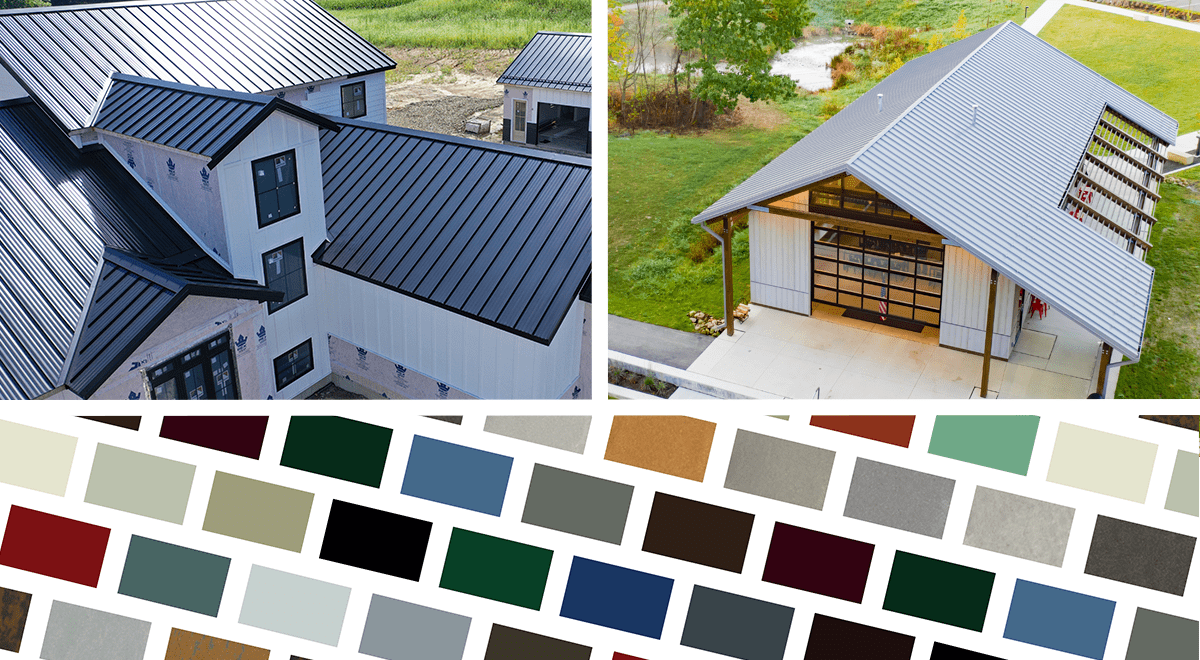
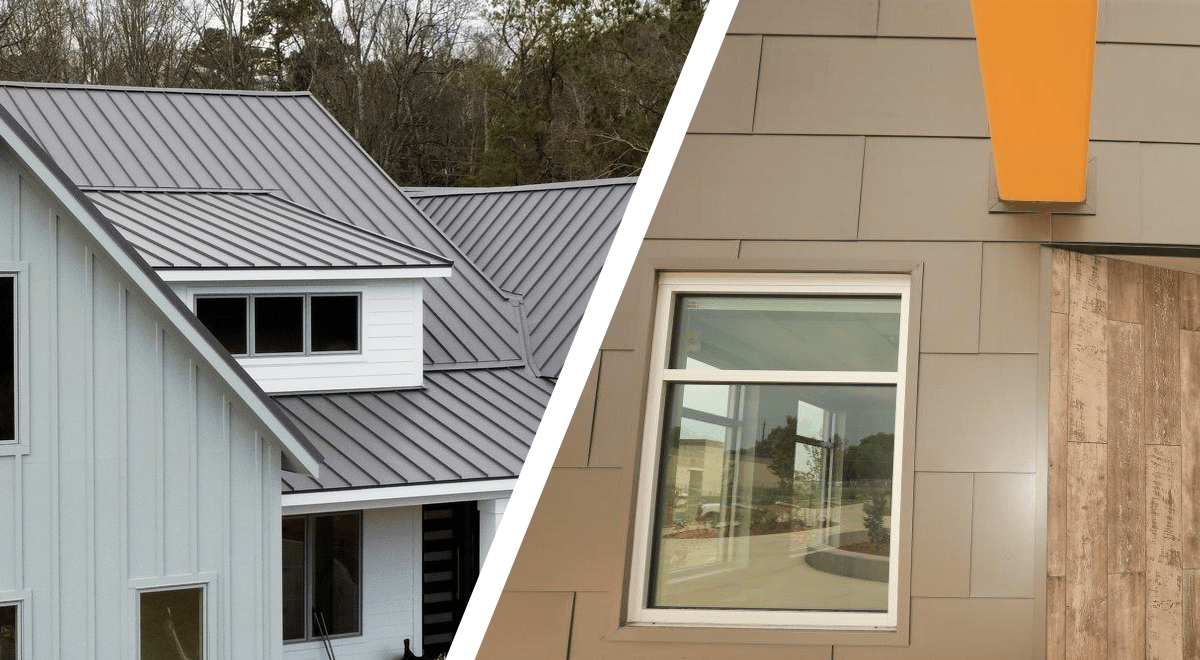
The type of roofing material you choose will also affect installation time. Asphalt shingles are the most common type of roofing material and are relatively easy to install. Metal roofs and slate roofs are more difficult to install and will take longer to complete. For example, a roof with asphalt shingles can be installed in one day, while a roof with metal shingles may take two days to install.
Complexity
The complexity of your roof can also affect installation time. A roof with multiple peaks, valleys, or dormers will take longer to install than a roof with a simple slope. For example, a roof with four peaks and two dormers may take three days to install, while a roof with a single slope may take one day to install.
Weather Conditions
Weather conditions can also affect installation time. Rain or snow can delay installation, as roofers will need to wait for the weather to clear before they can work safely. For example, a roof that is scheduled to be installed on a rainy day may be delayed until the next day.
Additional Factors
In addition to the factors discussed above, there are a few other factors that can affect the installation time of a new roof. These factors include:
- The experience of the roofer: A more experienced roofer will typically be able to install a roof more quickly than a less experienced roofer.
- The availability of materials: If the materials you need are not available, the installation may be delayed.
- The availability of labor: If there is a shortage of roofers in your area, the installation may be delayed.
General Installation Time Estimate
For an average-sized home with a moderately pitched roof, it typically takes one to two days to install a new roof.
Of course, this is just a general estimate. The actual installation time may vary depending on the factors discussed above.
Installation Process
The installation process for a new roof typically includes the following steps:
- Removal of the old roof: The old roof is removed, including the shingles, flashing, and nails. This step can take several hours, depending on the size of the roof and the condition of the old roof.
- Removal of the old roof: The old roof is removed, including the shingles, flashing, and nails. This step can take several hours, depending on the size of the roof and the condition of the old roof.
- Inspection of the roof deck: The roof deck is inspected for damage. If necessary, repairs are made to the roof deck before the new roof is installed. This step can take several hours, depending on the extent of the damage.
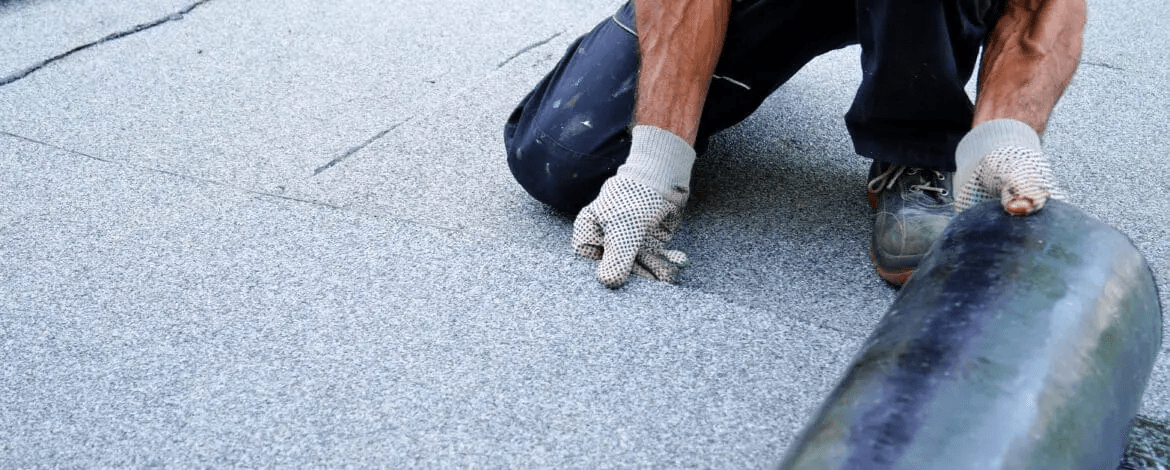
- Application of the underlayment: An underlayment is applied to the roof deck to protect it from water damage. This step can take several hours, depending on the size of the roof.
- Installation of the new shingles: The new shingles are installed on the roof deck. This step can take several hours, depending on the size of the roof and the type of shingles being installed.
- Installation of flashing: Flashing is installed around chimneys, vents, and other roof penetrations to prevent water leaks. This step can take several hours, depending on the number of roof penetrations.
- Clean up: The work area is cleaned up. This step can take several hours, depending on the amount of debris generated during the installation process.
Leave a Reply