Winter brings breathtaking beauty, but it also comes with the potential danger of excessive snow accumulation on rooftops. As snow continues to fall and build up, homeowners often wonder: How many feet can weight of snow on house roof before it becomes a serious structural hazard?
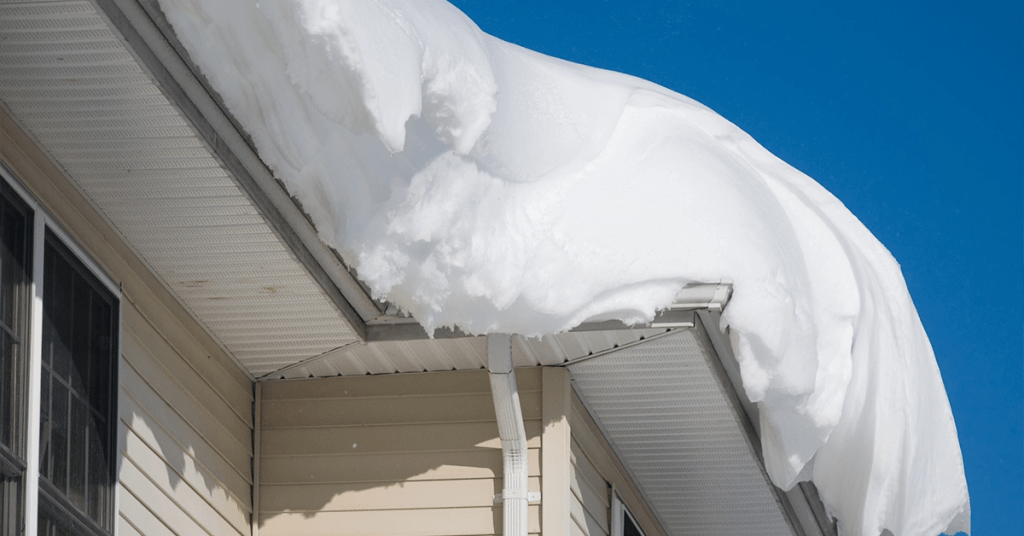
In this detailed and informative guide, we’ll explore how snow weight affects your home’s roof, what factors contribute to snow load limits, how to calculate safe thresholds, and what steps you can take to prevent costly damage or dangerous collapses.
Read too: Is It Reasonable to Ask the Seller to Replace the Roof?
Why You Need to Know Snow Load Capacity
Snow may look light and fluffy, but it can become incredibly heavy—especially when wet or packed. Understanding how many feet can weight of snow on house roof is not just about curiosity—it’s about safety.
Roofs are engineered to handle a specific amount of weight, known as the snow load capacity. When this limit is exceeded, the roof structure may weaken, sag, or even collapse.
How Many Feet Can Weight Of Snow On House Roof?
To determine how many feet of snow can your house roof hold, we need to translate snow depth into weight. The average roof can typically support 20 to 40 pounds per square foot (psf) of snow. That may seem like a lot, but snow weight adds up fast.
Key Conversion Metrics:
- Fresh, fluffy snow: 5–12 lbs per cubic foot
- Packed snow: 20–30 lbs per cubic foot
- Wet snow: 30–60+ lbs per cubic foot
- Ice: ~57 lbs per cubic foot
So, depending on snow type:
- 3–4 feet of light snow may weigh ~30–40 psf
- 1 foot of wet snow may also weigh ~40 psf
- 1 inch of ice can equal the weight of 1 foot of heavy snow
That means your roof may become stressed after just 1–2 feet of wet snow or 4+ feet of light snow.
Snow Load Requirements by Building Code
In the U.S., snow load requirements vary based on regional climate and elevation. Areas like the Northeast, Upper Midwest, or mountainous regions have stricter standards than milder zones.
For example:
- New England homes are often built to withstand 50–70 psf
- Midwest and Northern Plains: around 30–50 psf
- Pacific Northwest or Appalachians: may be 40+ psf due to heavy wet snow
Local building codes usually set snow load limits when a home is constructed. If you’re unsure what your house was built to handle, a local contractor or building inspector can help.
How to Calculate Snow Weight on Your Roof
You can estimate snow weight using the following formula:
Snow Load (psf) = Snow Depth (ft) × Snow Density (lbs/ft³)
For example:
- 2 feet of moderately wet snow (say 25 lbs/ft³):
- 2 ft × 25 lbs/ft³ = 50 psf
If your roof is rated for only 40 psf, you’re already exceeding safe limits.
Use this basic guideline:
| Snow Type | Approx. Weight (psf) per foot |
|---|---|
| Fluffy snow | 5–10 psf |
| Wet snow | 20–30 psf |
| Packed snow | 25–35 psf |
| Ice | 57 psf (per foot!) |
Warning Signs of Too Much Snow Load
Even if you don’t know your roof’s exact specs, your house may give you warning signs:
- Sagging ceiling or roof line
- Cracking drywall or plaster
- Creaking or popping sounds
- Sticking doors or windows
- Leaking around rooflines
- Visible ice dams or heavy icicles
If you notice these, it may be time to remove snow from your roof immediately or call a professional.
Safe Snow Depth Limits: Residential Guidelines
Let’s estimate how many feet of snow can safely stay on a roof based on the type and density:
| Snow Type | Safe Max Depth (ft) |
|---|---|
| Fluffy snow | 3.5–4.5 feet |
| Wet snow | 1–1.5 feet |
| Packed snow | 1.5–2 feet |
| Ice layer | Less than 1 foot |
Always err on the side of caution. When snow accumulation exceeds 2 feet, it’s time to assess your roof’s condition and possibly start clearing it.
Flat vs. Sloped Roofs
Snow tends to shed off sloped roofs, especially those with metal surfaces, making them more resistant to buildup. Flat roofs, on the other hand, retain snow, which makes them more susceptible to overloading.
Flat Roofs:
- Typically require more frequent snow removal
- Need proper drainage to avoid ice dams
- Must be inspected for water pooling after thawing
How to Remove Snow From Your Roof Safely
If you suspect snow is accumulating beyond safe limits, here are your options:
1. Roof Rake
Use an extendable roof rake with a plastic blade to pull snow from the lower 3–4 feet of the roof. Always rake with the slope to avoid lifting shingles.
2. Hire a Professional
Snow removal companies have the tools, ladders, and safety gear required to handle rooftop work. This is especially recommended for multi-story homes or flat roofs.
3. Avoid Climbing the Roof
Never climb onto a snow-covered roof. It’s slippery, unstable, and dangerous. Leave complex or high-risk snow removal to professionals.
Preventative Tips for Snow Load Management
✔ Improve Insulation
Proper attic insulation prevents heat loss, reducing snow melt and refreeze (ice dams).
✔ Roof Heating Cables
Install de-icing cables along the roof edge to promote even melting and prevent buildup.
✔ Strengthen Structural Supports
Older homes may benefit from structural reinforcement—especially in snow-heavy regions.
✔ Maintain Gutters
Clean and maintain gutters so they don’t freeze and contribute to dangerous ice formations.
When to Call for Help
Call a structural engineer, roofing contractor, or emergency service if:
- Your roof is sagging or making odd noises
- You see leaks forming indoors
- You’re unsure of your roof’s snow load capacity
- Snow accumulation exceeds 2 feet of wet or packed snow
FAQs: How Many Feet Can Weight Of Snow On House Roof
Q: Can light snow collapse a roof?
A: Unlikely—but if enough fluffy snow accumulates without melting, it can become heavy and dangerous over time.
Q: Is it safe to leave 2 feet of snow on a sloped roof?
A: It depends on the snow’s density and the roof’s structural design. Wet snow at 2 feet could exceed most roof load limits.
Q: How much does 1 inch of ice weigh?
A: About 5 lbs per square foot, similar to 1 foot of snow, but denser and more damaging.
Q: What’s the best way to measure snow load?
A: Use a yardstick to measure depth and reference the snow density. Or consult your local weather service for real-time snow load estimates.
Final Thoughts: Don’t Let Snow Overstay Its Welcome
When winter comes, your roof works overtime. Understanding how many feet can weight of snow on house roof is essential to protecting your home’s structure and your family’s safety. While snow is inevitable, damage isn’t.
By calculating your roof’s capacity, watching for signs of overload, and taking timely action, you can survive even the heaviest snowstorms with peace of mind. Remember—snow may be soft, but too much of it can become a crushing burden.


Leave a Reply