Many homeowners ask the same stressful question: How often do house roofs need to be replaced? Roof replacement is a major investment, and replacing too early wastes money—while waiting too long risks leaks and structural damage. This guide explains realistic roof lifespans, warning signs, and how climate, materials, and maintenance affect replacement timing, so you can plan with confidence.
How Often Do House Roofs Need To Be Replaced on Average?

4
The short answer: most house roofs need replacement every 20–30 years. However, the exact timing depends heavily on the roofing material, local weather, and how well the roof is maintained.
Average Roof Lifespan by Material
| Roofing Material | Typical Lifespan |
|---|---|
| Asphalt shingles | 15–30 years |
| Architectural shingles | 25–30 years |
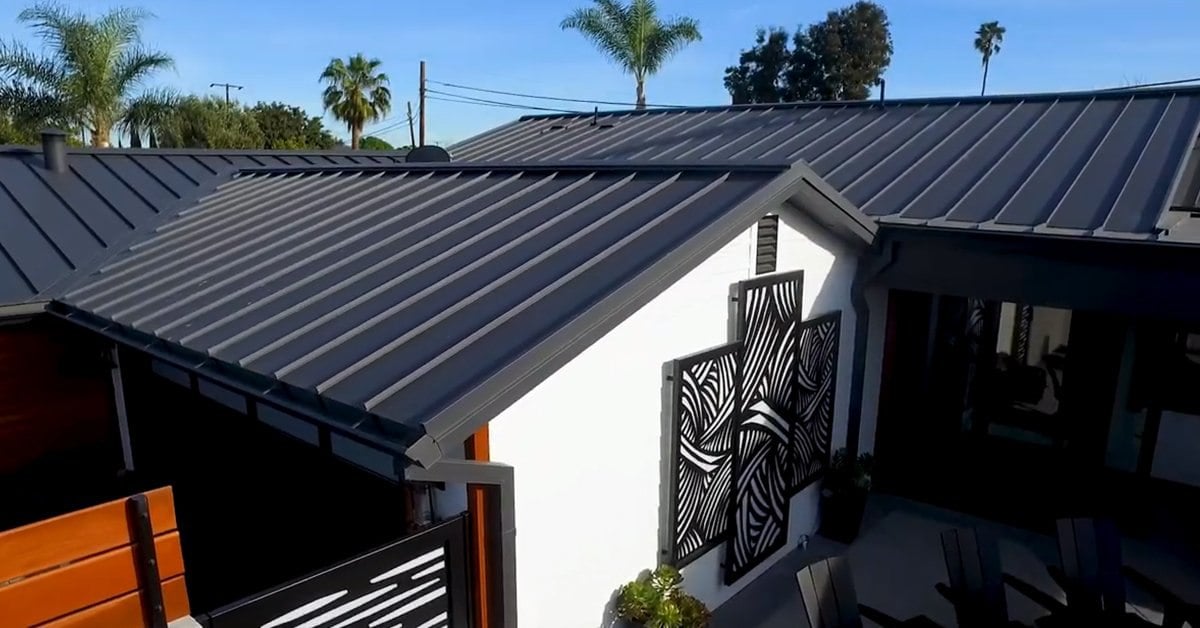
| Metal roofing | 40–70 years |
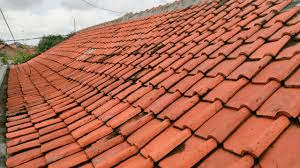
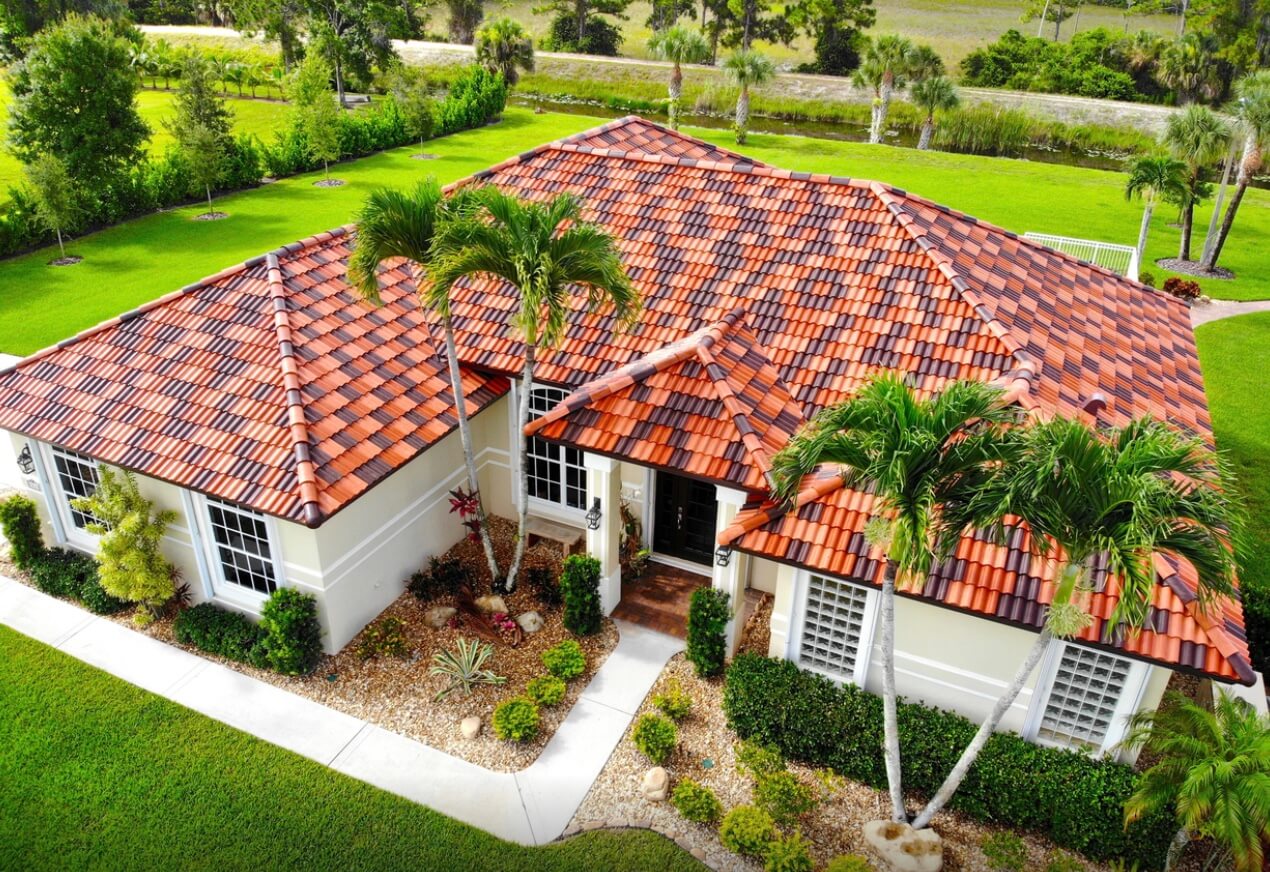
| Clay or concrete tile | 50–100 years |
| Slate | 75–150 years |
| Wood shake | 20–40 years |
These numbers reflect real-world performance, not just manufacturer warranties.
What Factors Determine How Often Roofs Need Replacement?
Even the best roof materials won’t last forever. Several factors directly affect how often house roofs need to be replaced.
Read too: How To Replace Roof Shingles That Blew Off: A Comprehensive Guide
1. Climate and Weather Exposure
Homes in harsh climates experience faster roof aging:
- Hot climates cause shingles to dry, crack, and curl
- Cold climates stress roofs with freeze–thaw cycles
- Storm-prone areas face wind uplift and hail damage
- Coastal regions suffer from salt corrosion
A roof in Arizona may fail years earlier than the same roof in the Pacific Northwest.
2. Roofing Material Quality
Not all shingles or metal panels are created equal.
- Budget 3-tab shingles: shorter lifespan
- Architectural shingles: thicker, longer-lasting
- Premium metal or slate: highest longevity
Paying more upfront often reduces how often a roof needs replacement.
3. Installation Quality
Improper installation is one of the top causes of premature roof failure.
Common installation mistakes include:
- Poor flashing around chimneys and vents
- Incorrect nail placement
- Inadequate underlayment
- Improper ventilation
Even a 30-year roof may fail in 10–15 years if installed incorrectly.
4. Roof Ventilation and Insulation
Poor ventilation traps heat and moisture in the attic, accelerating shingle aging and wood rot.
Signs of ventilation problems:
- Ice dams in winter
- Excessive attic heat in summer
- Mold growth near roof decking
Correct ventilation can extend roof life by 5–10 years.
5. Maintenance and Inspections
Roofs that receive regular care last significantly longer.
Basic maintenance includes:
- Clearing debris from valleys
- Cleaning gutters twice a year
- Removing moss or algae
- Inspecting after major storms
Skipping maintenance shortens the replacement timeline dramatically.
How Often Do Asphalt Shingle Roofs Need To Be Replaced?
Asphalt shingles are the most common U.S. roofing material.
Typical Replacement Timeline
- 3-tab shingles: 15–20 years
- Architectural shingles: 25–30 years
In extreme climates, replacement may be needed closer to the lower end.
How Often Do Metal Roofs Need To Be Replaced?
Metal roofs are among the longest-lasting options.
Metal Roof Replacement Timeline
- Steel or aluminum: 40–70 years
- Copper or zinc: 70+ years
Metal roofs resist:
- Fire
- Wind
- Rot
- Insect damage
Many homeowners never replace a metal roof during ownership.
How Often Do Tile and Slate Roofs Need Replacement?
Tile and slate roofs are built for generations.
Tile Roofs
- Clay or concrete tile: 50–100 years
- Underlayment may need replacement every 20–30 years
Slate Roofs
- Natural slate: 75–150 years
- Individual tiles can be repaired instead of full replacement
These roofs often outlast the homes beneath them.
Warning Signs Your Roof May Need Replacement
Knowing the signs helps you avoid emergency replacements.
Exterior Warning Signs
- Curling or missing shingles
- Bald spots where granules are gone
- Cracked or broken tiles
- Sagging rooflines
Interior Warning Signs
- Water stains on ceilings
- Mold or mildew smells
- Peeling paint near roof edges
- Daylight visible in attic
If multiple signs appear, replacement may be more cost-effective than repairs.
Repair vs Replacement: How to Decide
| Situation | Best Option |
|---|---|
| Roof under 10 years old | Repair |
| Isolated shingle damage | Repair |
| Repeated leaks | Replacement |
| Roof near lifespan end | Replacement |
| Structural sagging | Replacement |
A professional inspection helps confirm the right choice.
Step-by-Step: How to Estimate Your Roof’s Remaining Life
- Find installation year (home records or permits)
- Identify roofing material
- Compare age to average lifespan
- Inspect visible damage
- Schedule professional inspection
This process gives a realistic replacement timeline.
How Often Do House Roofs Need To Be Replaced in the U.S.?
According to housing studies and construction data summarized on Wikipedia, most U.S. homeowners replace asphalt roofs once every 20–25 years on average, with variations based on region and material
Can You Extend the Life of Your Roof?
Yes—often significantly.
Proven Ways to Extend Roof Life
- Annual inspections
- Prompt leak repairs
- Proper attic ventilation
- Gutter cleaning
- Moss and algae treatment
These steps can delay replacement by 5–10 years.
Cost Considerations: Replacing Too Early vs Too Late
Replacing too early:
- Wastes remaining roof life
- Higher upfront cost
Replacing too late:
- Structural damage
- Mold remediation costs
- Interior repairs
- Insurance claim issues
Timing replacement correctly saves thousands of dollars.
Pros and Cons of Waiting to Replace a Roof
Pros
- Maximize material lifespan
- Delay large expense
Cons
- Risk of sudden leaks
- Emergency replacement costs
- Potential insurance denial
Strategic planning beats reactive replacement.
FAQ: How Often Do House Roofs Need To Be Replaced
How do I know the age of my roof?
Check permits, inspection reports, or ask previous owners.
Can a roof last longer than its warranty?
Yes. Warranties are minimum expectations, not limits.
Does homeowners insurance cover roof replacement?
Usually only for sudden damage, not age-related wear.
How often should a roof be inspected?
At least once per year and after major storms.
Is partial roof replacement possible?
Sometimes, but full replacement is often better long-term.
Conclusion
So, how often do house roofs need to be replaced? For most homes, every 20–30 years, but material choice, climate, installation quality, and maintenance can push that number much higher—or lower. Understanding your roof’s lifespan and acting before major failure protects your home and your budget.
If this guide helped you plan smarter for your home, share it on social media to help other homeowners avoid costly roofing mistakes.
Leave a Reply