Discovering water dripping from your ceiling is stressful—and expensive. Many homeowners aren’t sure whether insurance covers the damage or how to start the process. If you’re searching for How To Claim On House Insurance For Leaking Roof, this complete guide will walk you through every step so you can file confidently and avoid costly mistakes.
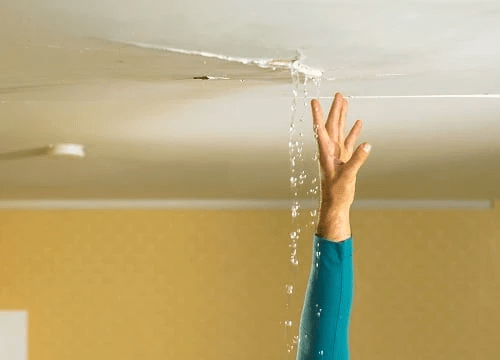
Roof leaks can qualify for coverage—but only under specific conditions. Understanding those conditions is key.
How To Claim On House Insurance For Leaking Roof Successfully
Filing a claim isn’t just about calling your insurance company. It’s about documenting damage, understanding coverage rules, and following proper procedure.
Read too: How To Replace Roof Shingles That Blew Off: A Comprehensive Guide
Home insurance policies generally fall under the broader category of Wikipedia, which outlines coverage for sudden and accidental damage—but often excludes gradual wear and tear.
Let’s break down the process.
Does Home Insurance Cover a Leaking Roof?
This is the most common question.
Covered Situations (Typically)
Insurance may cover roof leaks caused by:
- Storm damage (wind, hail)
- Falling trees
- Sudden accidental events
- Fire damage
Usually Not Covered
- Wear and tear
- Neglected maintenance
- Old age deterioration
- Gradual leaks over time
Insurance covers sudden, unexpected damage, not long-term neglect.
Step 1: Stop Further Damage Immediately
Before filing a claim, you must prevent additional damage.
Actions to Take
- Place buckets under leaks.
- Move furniture away from water.
- Cover roof with tarp if safe to do so.
- Take photos before making temporary repairs.
Most policies require homeowners to mitigate further damage.
Step 2: Document Everything
Proper documentation strengthens your claim.
Take Photos Of:
- Damaged shingles
- Interior ceiling stains
- Insulation damage
- Structural wood damage
- Storm debris
Record:
- Date damage occurred
- Weather conditions
- Visible exterior damage
The more detailed your documentation, the smoother the claim process.
Step 3: Review Your Insurance Policy
Before calling your insurer:
- Check deductible amount
- Confirm coverage limits
- Verify exclusions
If your deductible is $1,500 and repairs cost $1,800, filing may not be worthwhile.
Step 4: Contact Your Insurance Company
Report the claim promptly.
When speaking with the representative:
- Provide policy number
- Describe damage clearly
- State cause (if known)
- Submit photos if requested
You will receive a claim number for tracking.
Step 5: Schedule Adjuster Inspection
An insurance adjuster will inspect the damage.
During Inspection:
- Show all affected areas
- Provide documentation
- Share contractor estimates (if available)
Adjusters evaluate:
- Cause of damage
- Extent of roof damage
- Repair vs replacement necessity
Step 6: Obtain Roofing Contractor Estimates
It’s wise to get at least 2–3 licensed contractor quotes.
Ensure contractors include:
- Roof area measurement
- Material type
- Labor cost
- Tear-off cost
- Permit fees
Providing written estimates strengthens negotiation.
Step 7: Review Settlement Offer
Insurance companies calculate payout based on:
- Actual Cash Value (ACV) or
- Replacement Cost Value (RCV)
ACV
Payout minus depreciation.
RCV
Pays full replacement cost (minus deductible), often after work completion.
Example Claim Breakdown
Roof replacement estimate: $12,000
Deductible: $1,500
Insurance payout = $10,500 (if RCV coverage applies)
If ACV applies, depreciation reduces payout.
When Claims Get Denied
Common reasons for denial:
- Pre-existing damage
- Lack of maintenance
- Insufficient documentation
- Leak classified as gradual deterioration
If denied, you can:
- Request detailed explanation
- Provide additional documentation
- Hire public adjuster
How Long Does a Roof Insurance Claim Take?
Average timeline:
- 1–3 days: Report claim
- 7–14 days: Adjuster inspection
- 2–4 weeks: Settlement decision
Complex claims may take longer.
Pros and Cons of Filing a Claim
Advantages
- Reduces out-of-pocket expenses
- Covers major storm damage
- Protects home value
Disadvantages
- Possible premium increase
- Deductible costs
- Risk of claim denial
When Should You Avoid Filing a Claim?
Avoid filing if:
- Damage cost is below deductible
- Leak caused by aging shingles
- Repair cost is minor
Frequent claims can affect future premiums.
Tips to Increase Claim Approval Chances
- File promptly after damage
- Provide clear weather evidence
- Keep maintenance records
- Avoid permanent repairs before inspection
- Work with licensed contractors
Preparation increases approval probability.
What If the Leak Causes Interior Damage?
Insurance typically covers:
- Ceiling repair
- Insulation replacement
- Drywall repair
- Mold remediation (if immediate)
Delayed reporting may reduce coverage.
How Insurance Companies Determine Roof Age
Insurers often:
- Review prior inspection reports
- Request installation documentation
- Check permit records
Older roofs may receive partial payout due to depreciation.
FAQ: How To Claim On House Insurance For Leaking Roof
1. Will my premium increase if I file a claim?
Possibly. It depends on claim frequency and insurer policies.
2. Does insurance cover mold from roof leaks?
If mold results from sudden covered damage and reported promptly, usually yes.
3. Can I choose my own contractor?
Yes. You are not required to use the insurer’s preferred contractor.
4. What if the adjuster underestimates damage?
You can request reinspection or hire a public adjuster.
5. Is hail damage automatically covered?
If hail caused sudden roof damage, most policies cover it.
6. How much does deductible affect payout?
Your deductible is subtracted from approved settlement.
Preventative Tips to Avoid Future Roof Claims
- Inspect roof annually
- Clean gutters twice yearly
- Replace damaged shingles immediately
- Document roof condition after storms
Routine maintenance reduces claim disputes.
Final Thoughts
Understanding How To Claim On House Insurance For Leaking Roof empowers you to act quickly and strategically during a stressful situation. By documenting damage, reviewing your policy, and communicating clearly with your insurer, you improve your chances of claim approval and fair compensation.
If this guide helped you navigate the roof insurance process, consider sharing it on social media to help other homeowners protect their homes and finances.


Leave a Reply