As solar energy becomes increasingly popular, homeowners are seeking ways to install solar panels without damaging their roofs. A common concern is whether it’s possible to attach panels securely without drilling holes. Many people are searching for solutions on “how to fasten solar panels to house roof no screws” because they want to enjoy the benefits of solar power without risking roof leaks, structural issues, or voided warranties.
Read too: Hail Damage Roof Repair: Essential Guide to Restoring Your Home’s Protection
This comprehensive guide explores the different methods for mounting solar panels without screws, the pros and cons of each approach, and important considerations before making your decision. Whether you live in a rental property, have a flat roof, or simply want a non-invasive installation, this article will provide practical answers.
Why Avoid Screws in Solar Installation?
Before diving into how to fasten solar panels to house roof no screws, it’s important to understand why many homeowners prefer this approach:
- Prevent Roof Damage – Drilling holes can compromise shingles or tiles, leading to water leaks.
- Preserve Roof Warranty – Some roofing warranties become void if penetrations are made.
- Ease of Removal – Non-screw systems allow easy relocation of panels when moving homes or replacing roofs.
- Aesthetic Appeal – Sleeker mounting systems look less intrusive.
Common Methods of Installing Solar Panels Without Screws
1. Ballasted Mounting Systems
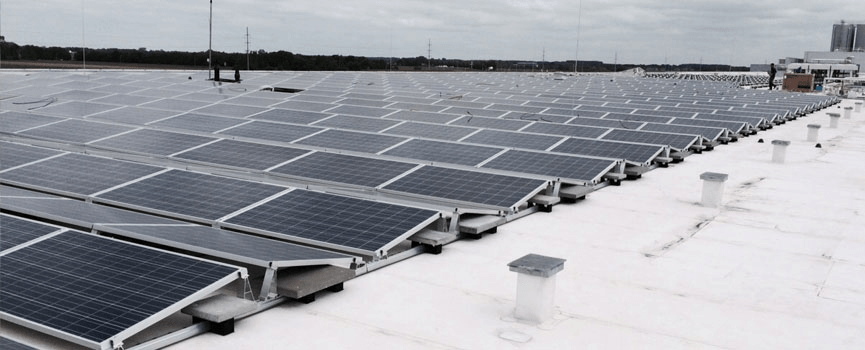
Ballasted systems rely on weight instead of screws to keep solar panels in place. Heavy concrete blocks are placed on flat roofs to hold down the racking system.
Pros:
- No roof penetration
- Simple to install and remove
- Ideal for flat or low-slope roofs
Cons:
- Adds significant weight to the roof
- Requires structural assessment to ensure roof can handle extra load
2. Adhesive-Based Mounting
Adhesive systems use strong industrial glues or tapes to secure solar panels. Specialized adhesives bond panel brackets directly to the roofing surface.
Pros:
- Lightweight alternative to ballasted systems
- No drilling required
- Faster installation
Cons:
- Adhesives may degrade over time due to heat and weather
- Not suitable for all roof materials
- Harder to remove without damaging roofing material
3. Clamp-Based Systems
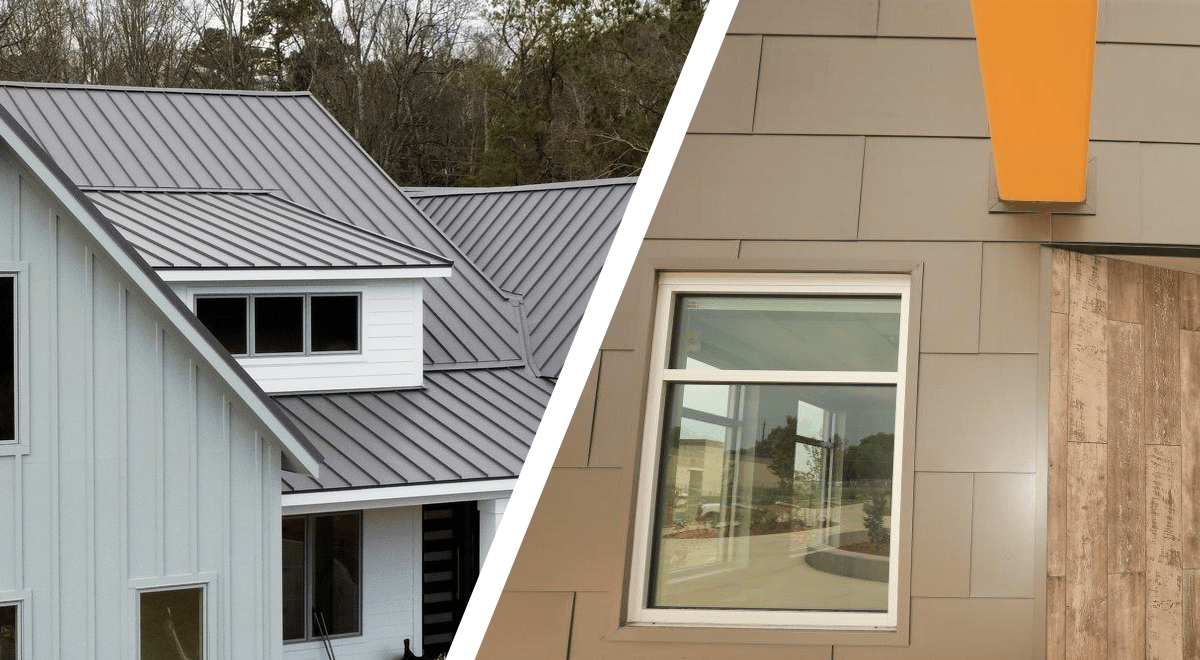
For metal roofs, clamps can be used to attach panels securely to seams without drilling holes. These clamps grip onto standing seams and hold racking systems in place.
Pros:
- Very secure for standing seam roofs
- No penetrations required
- Reversible and removable
Cons:
- Limited to specific roof types (metal standing seam)
- Not compatible with shingles or tile roofs
4. Integrated Solar Roof Tiles
Instead of fastening panels on top of the roof, some homeowners opt for solar roof tiles or shingles. These integrate directly into the roofing system.
Pros:
- Seamless aesthetic appearance
- Dual function as both roof and energy source
- No additional mounting required
Cons:
- Expensive upfront cost
- Installation requires full roof replacement
- Limited availability depending on location
5. Ground-Mounted Solar Systems
If your roof isn’t ideal, an alternative is to avoid the roof altogether. Ground-mounted systems use poles or racks installed in your yard.
Pros:
- No roof penetrations at all
- Panels can be angled for maximum sun exposure
- Easy maintenance access
Cons:
- Requires yard space
- May need permits or zoning approval
- Higher material and labor costs
How To Fasten Solar Panels To House Roof No Screws (Step-by-Step)
If you’re determined to keep your roof screw-free, here’s a general approach depending on your roof type:
Step 1: Assess Your Roof
- Flat roof → Consider ballasted or adhesive systems.
- Metal roof → Clamp-based system works best.
- Shingle/tile roof → Adhesives or solar shingles are more practical.
Step 2: Consult a Structural Engineer
Especially for ballasted systems, ensure your roof can support the extra weight.
Step 3: Choose the Right Mounting System
Select a system compatible with both your roof type and climate. For example, ballasted mounts may not be ideal in high-wind areas.
Step 4: Install Racking or Base
- Ballasted: Place racks with concrete blocks evenly across the roof.
- Adhesive: Apply industrial adhesive under brackets as directed.
- Clamps: Attach clamps securely to roof seams.
Step 5: Mount Solar Panels
Attach panels to the racking system, ensuring alignment for optimal sun exposure.
Step 6: Connect Electrical Components
Have a licensed electrician connect panels to your inverter and grid.
Key Considerations Before Choosing a No-Screw System
- Wind Resistance – Ensure the system is rated for local wind conditions.
- Roof Type – Not all solutions work for every roof.
- Longevity – Consider how materials will withstand UV rays, rain, and snow.
- Cost – Non-screw systems may have higher installation costs.
- Maintenance – Plan for future roof repairs; removable systems are better for this.
Pros and Cons of Screw-Free Solar Installations
Pros:
- No risk of leaks
- Protects roof warranty
- Easy removal and relocation
- Less invasive installation
Cons:
- May cost more than traditional systems
- Limited options depending on roof design
- Potential issues with long-term stability in extreme climates
FAQs
Q: Are non-screw solar installations as safe as traditional ones?
Yes, when installed correctly. Ballasted and clamp systems are engineered for safety and tested for wind and load resistance.
Q: Can I DIY a screw-free solar installation?
It’s not recommended. Solar installations involve electrical work and structural safety, so professional installers are essential.
Q: Do adhesives really hold panels securely?
Yes, but they work best for small systems and in moderate climates. Extreme heat and cold may weaken adhesives over time.
Q: Which option is best for renters?
Portable solar systems or ground-mounted options are ideal since they can be removed without altering the property.
Conclusion
Learning how to fasten solar panels to house roof no screws gives homeowners peace of mind by avoiding unnecessary damage while still enjoying clean, renewable energy. Options like ballasted mounts, adhesive systems, clamps, and even integrated solar shingles provide secure alternatives to traditional drilling.
The best solution depends on your roof type, budget, and long-term goals. Always consult with professional installers to ensure your system is safe, efficient, and compliant with local building codes. By choosing a no-screw system, you can harness solar energy while preserving the integrity and beauty of your home.
Leave a Reply