Introduction
When building or renovating a home, protecting your house from water and air infiltration is critical. Many homeowners wonder how to use synthetic for roof underlayment as house wrap to save time and enhance durability. Using synthetic materials properly can improve energy efficiency, reduce moisture problems, and increase your roof’s lifespan.
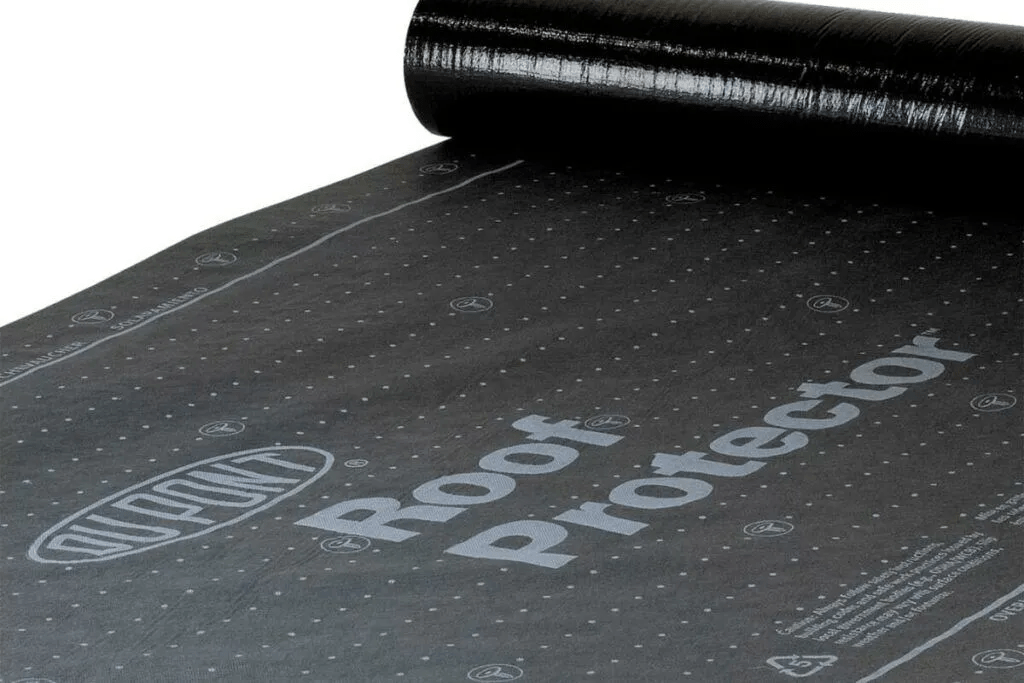
What Is Synthetic Roof Underlayment?
Synthetic roof underlayment is a high-performance material made from polymers like polypropylene or polyethylene. Unlike traditional felt paper, it offers superior water resistance, tear strength, and UV stability. Experts note that using synthetic underlayment can reduce installation time by up to 50%, thanks to its lightweight and easy-to-roll design.
Read too: How Long Do Standing Seam Metal Roofs Last? A Comprehensive Guide to Durability and Longevity
Key Benefits:
- Lightweight and easy to handle
- Highly resistant to tears and punctures
- Provides an additional barrier against moisture
- Compatible with modern roofing systems
For a detailed reference on roofing materials, visit Wikipedia.org.
Can Synthetic Underlayment Be Used As House Wrap?
Yes! Many builders now use synthetic underlayment as a dual-purpose material: both as roof underlayment and house wrap. The key is ensuring proper installation and overlap to prevent water intrusion. Using synthetic underlayment as house wrap can save costs and reduce the number of layers needed during construction.
Advantages vs Limitations:
| Advantage | Limitation |
|---|---|
| Excellent water resistance | May require additional UV protection if exposed long-term |
| Lightweight and easy to install | Not all brands are approved for wall installation |
| Cost-effective as dual-use | Proper sealing at seams is crucial |
| Durable against wind and tearing | Needs compatible fasteners for walls |
How To Install Synthetic Underlayment As House Wrap
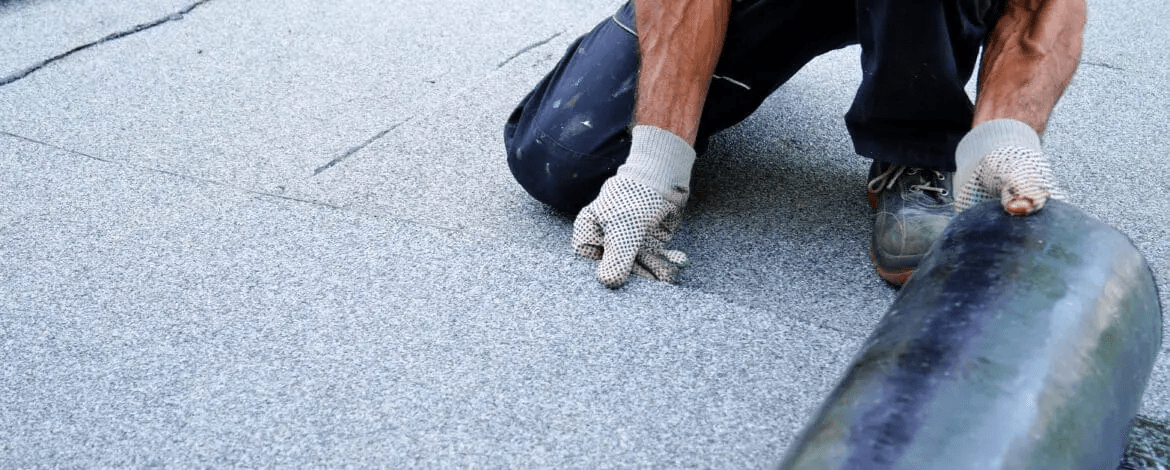
Follow this step-by-step guide to ensure proper installation:
- Prepare the Wall Surface:
Ensure exterior sheathing is clean, dry, and free from protruding nails or debris. - Measure and Cut Material:
Cut synthetic underlayment strips slightly longer than wall height to allow overlaps. - Start From the Bottom:
Begin at the base of the wall. Attach the material using corrosion-resistant staples or cap nails every 12 inches along vertical studs. - Overlap Seams Properly:
Horizontal seams should overlap at least 6 inches, and vertical seams at least 4 inches to maintain water resistance. - Seal Openings and Corners:
Apply construction tape around windows, doors, and corners. This prevents air and water leaks. - Trim Excess Material:
Cut any excess material at roof intersections, foundation edges, or soffits. - Inspect Before Siding Installation:
Check for gaps, tears, or loose sections. Address issues before installing the siding.
Pro Tip: Experts recommend using synthetic underlayment with breathable features, allowing water vapor to escape while blocking liquid water.
Best Practices for Using Synthetic Roof Underlayment as House Wrap
- Choose the Right Thickness: 30–45 mils is standard for dual-purpose use.
- UV Exposure: Avoid leaving the material exposed for more than 60 days.
- Proper Fasteners: Use nails or staples that won’t corrode.
- Check Local Codes: Some areas require separate house wrap for insurance or code compliance.
Synthetic Underlayment vs Traditional House Wrap
| Feature | Synthetic Underlayment | Traditional House Wrap |
|---|---|---|
| Water Resistance | High | Moderate |
| Tear Strength | Very High | Moderate |
| Installation Speed | Fast | Moderate |
| Dual Use | Yes | No |
| Cost | Slightly higher upfront | Lower upfront |
FAQ
Q1: Is it safe to use synthetic underlayment for walls?
A: Yes, if the product is approved for dual use and installed according to manufacturer guidelines. Proper overlapping and sealing are essential to prevent water intrusion.
Q2: Can synthetic underlayment replace all house wrap layers?
A: In most cases, yes. However, local building codes may still require a dedicated house wrap layer, especially in high-moisture climates.
Q3: How long can synthetic underlayment stay exposed?
A: Typically up to 60 days. Beyond this, UV degradation may reduce effectiveness.
Q4: Do I need special tools for installation?
A: No special tools are required. A staple gun or cap nails and construction tape are sufficient.
Q5: Will using synthetic underlayment improve insulation?
A: Indirectly, yes. It reduces air leakage and moisture infiltration, which can improve your home’s overall energy efficiency.
Conclusion
Using synthetic roof underlayment as house wrap is a practical, cost-effective solution that enhances your home’s protection against water and air infiltration. By following proper installation steps, you can save money, improve durability, and boost energy efficiency.
If you found this guide helpful, share it on Facebook, Twitter, or Pinterest to help friends and family build smarter homes!
Leave a Reply