Introduction
Properly spacing roof trusses is critical for the safety, durability, and longevity of a home. Following International Building Codes To Space Roof Trusses On A House ensures that your roof can withstand loads such as snow, wind, and other environmental pressures. Homeowners and builders alike need clear guidance to avoid costly structural issues while maintaining compliance with safety standards.
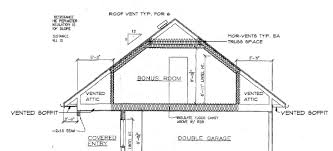
What Are Roof Trusses and Why Spacing Matters
Roof trusses are pre-engineered frameworks designed to support a roof’s weight. Correct spacing:
- Distributes loads evenly across walls and foundation.
- Prevents sagging or structural failure.
- Complies with building codes for safety and insurance purposes.
Key Point: Incorrect spacing can compromise the roof’s integrity and lead to costly repairs.
Read too: How Long Do Standing Seam Metal Roofs Last? A Comprehensive Guide to Durability and Longevity
International Building Codes Overview
The International Residential Code (IRC) and International Building Code (IBC) provide guidelines on:
- Maximum allowable span for various truss types.
- Spacing increments typically ranging from 16 to 24 inches on center.
- Load considerations including live loads (snow, wind) and dead loads (roofing materials).
Reference: For a detailed overview of building codes, see Wikipedia – Building codes.
Standard Truss Spacing Recommendations
| Roof Type | Typical Spacing (inches) | Notes |
|---|---|---|
| Light residential | 24 | Common for small-span homes with standard roofing materials |
| Heavy residential | 16 | Recommended for areas with heavy snow or high wind |
| Commercial structures | 12–16 | Higher loads require closer spacing and additional reinforcement |
| Attic trusses | 16–24 | Depends on floor load and roof pitch |
Factors Affecting Truss Spacing
- Roof Pitch
- Steeper roofs may require closer spacing to handle snow loads.
- Material Type
- Lumber strength varies; engineered wood trusses allow for wider spacing.
- Local Climate
- Snow, wind, and seismic activity affect spacing requirements.
- Roof Load
- Tile or slate roofing exerts more weight than asphalt shingles, necessitating tighter spacing.
Step-By-Step Guide to Space Roof Trusses
- Check Local Codes: Verify IRC or IBC requirements for your area.
- Select Truss Type: Choose based on roof span, load, and design.
- Measure and Mark Layout: Use a chalk line to mark placement on the top plate.
- Install First Truss: Ensure it’s square and plumb.
- Space Subsequent Trusses: Use spacers or pre-measured guides for consistency.
- Secure All Trusses: Nail or bolt according to manufacturer and code requirements.
- Inspect and Verify: Confirm spacing aligns with building codes and structural plans.
Tip: Double-check alignment every few trusses to maintain accuracy over long spans.
Advantages of Code-Compliant Truss Spacing
- Safety: Minimizes risk of roof collapse.
- Durability: Extends roof life and reduces maintenance costs.
- Insurance Compliance: Many insurance policies require code adherence.
- Energy Efficiency: Properly spaced trusses allow for adequate insulation and ventilation.
FAQ Section
1. What is the standard spacing for residential roof trusses?
Typically 16 to 24 inches on center, depending on load and truss type.
2. Can I space trusses further apart for cost savings?
Only if allowed by the IRC/IBC and the trusses are engineered for that span. Always check local codes.
3. How do snow and wind loads affect truss spacing?
Higher loads require closer spacing to safely distribute weight and prevent structural failure.
4. Are engineered trusses different in spacing requirements?
Yes, engineered wood trusses can often span longer distances, allowing wider spacing without compromising strength.
5. How do I check if my current roof trusses meet code?
Hire a licensed structural engineer or building inspector to measure spacing, materials, and load compliance.
6. What is the risk of spacing trusses too far apart?
It can lead to sagging, structural damage, roof leaks, and possible collapse under heavy loads.
Conclusion
Understanding the International Building Codes To Space Roof Trusses On A House is essential for constructing safe and durable roofs. Proper truss spacing ensures structural integrity, protects against environmental loads, and maintains compliance with building regulations. By following these guidelines, homeowners and builders can ensure a long-lasting, secure roof system. Share this guide with colleagues or fellow homeowners to promote safe and code-compliant construction practices.

Leave a Reply