Introduction
The Japanese Wooden House With Earthen Floors And High Thatched Roofs is a timeless symbol of traditional Japanese architecture. Many enthusiasts and travelers wonder how these homes were built, why they used earthen floors, and the purpose of the steep thatched roofs. Understanding these homes offers insights into Japan’s cultural history, sustainability practices, and unique construction methods.
Historical Background
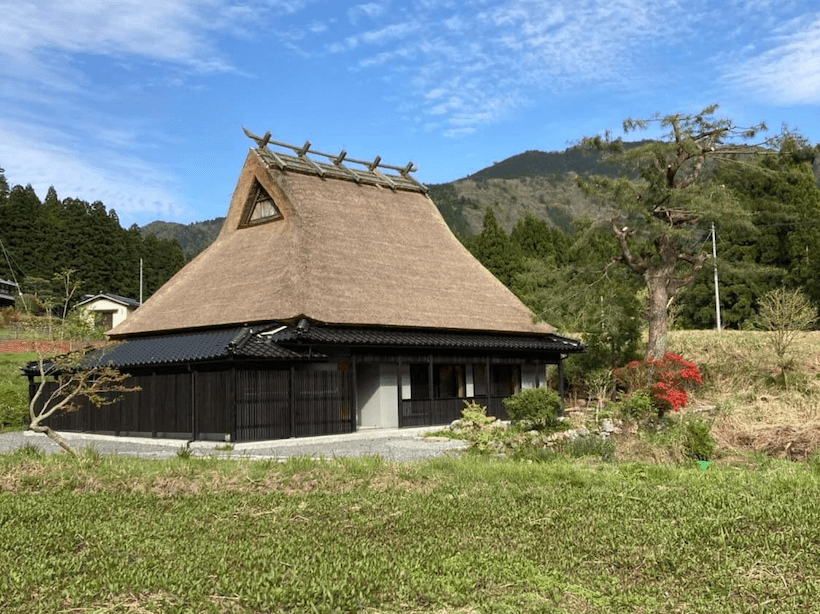
These traditional houses, often called minka, originated in rural Japan centuries ago. They were designed to accommodate the local climate, social structure, and available materials.
- Built primarily during the Edo period (1603–1868).
- Functioned as homes for farmers, artisans, and merchants.
- Designed to withstand heavy snow in northern Japan and humid summers in the south.
Read too: Hail Damage Roof Repair: Essential Guide to Restoring Your Home’s Protection
The combination of wooden frameworks, earthen floors, and steeply pitched thatched roofs reflects centuries of architectural adaptation.
Architectural Features
Wooden Framework
- Post-and-beam construction: Durable and earthquake-resistant.
- Flexible joints: Allowed houses to withstand natural disasters without collapsing.
- Local timber: Cedar, cypress, and pine were commonly used.
Earthen Floors (Doma)
- Made from compacted clay or soil, often mixed with straw.
- Served as multipurpose spaces for cooking, work, and storage.
- Maintained cooler temperatures during summer and retained warmth in winter.
High Thatched Roofs
- Constructed using layers of reed, straw, or grass.
- Steep pitch (up to 60 degrees) prevents snow accumulation.
- Creates extra attic space for storage or living quarters.
- Thick insulation naturally regulates indoor temperatures.
Fact: Many of these homes, especially in regions like Shirakawa-go, are now UNESCO World Heritage sites due to their historical significance.
Cultural Significance
- Community-oriented design: Shared courtyards and common walls strengthened social ties.
- Sustainable architecture: Local, renewable materials minimized environmental impact.
- Aesthetic value: Symmetry, simplicity, and harmony with nature reflect traditional Japanese principles.
Comparison Table: Traditional vs Modern Japanese Homes
| Feature | Traditional Minka | Modern Japanese House |
|---|---|---|
| Floor | Earthen (doma) | Wood or tatami |
| Roof | High thatched | Tile or metal |
| Materials | Local timber & straw | Concrete, steel, engineered wood |
| Climate Adaptation | Snow & humidity | Modern insulation & HVAC |
| Cultural Role | Community & farming | Private family units |
This comparison highlights the balance between historical design and modern convenience.
Preservation of Traditional Houses
- Many original houses are preserved in open-air museums or rural heritage villages.
- UNESCO-listed sites such as Shirakawa-go and Gokayama showcase gassho-zukuri style, characterized by high thatched roofs resembling hands in prayer.
- Preservation ensures cultural continuity and tourism opportunities.
FAQ Section
Q1: Why were the floors made of earth instead of wood?
A1: Earthen floors provided durability, thermal regulation, and multipurpose functionality for work, cooking, and storage.
Q2: What is the main purpose of high thatched roofs?
A2: To prevent snow accumulation, provide insulation, and create additional space in the attic.
Q3: Are these homes still inhabited today?
A3: Yes, some are still used, but many serve as cultural heritage sites or museums.
Q4: What is gassho-zukuri architecture?
A4: A style with steeply pitched thatched roofs, typical of Shirakawa-go and Gokayama, designed for heavy snow.
Q5: How long does a thatched roof last?
A5: With proper maintenance, it can last 30–50 years. Re-thatching is required periodically.
Q6: Are earthen floors safe in modern homes?
A6: Yes, they can be incorporated with modern insulation and treated surfaces while maintaining traditional aesthetics.
Conclusion
The Japanese Wooden House With Earthen Floors And High Thatched Roofs exemplifies ingenious, climate-adapted, and culturally rich architecture. Its wooden framework, earthen floors, and steep thatched roofs reflect centuries of Japanese tradition. Preserving these homes allows future generations to appreciate sustainable design, historical craftsmanship, and unique cultural heritage. Share this guide with friends to explore the fascinating world of traditional Japanese architecture!
Leave a Reply