When it comes to protecting your home from the wrath of hurricanes, choosing the right roofing material is crucial. The two most popular options are metal roofs and shingles. In this article, we will delve into the debate of metal roof vs shingles and explore their pros and cons in the context of hurricane-prone areas.
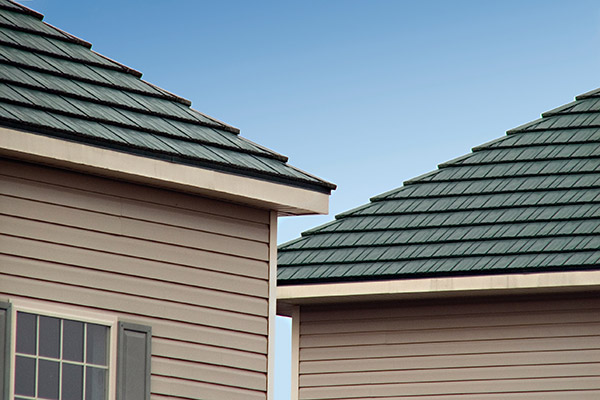
Metal Roofs: Strength and Durability
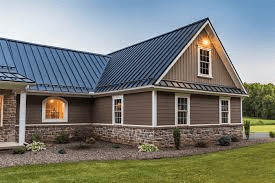
Metal roofs have gained popularity in recent years due to their exceptional strength and durability. Made from materials like steel, aluminum, or copper, these roofs are built to withstand extreme weather conditions. In hurricane-prone areas, where high winds and flying debris pose significant threats, a metal roof can be a formidable defense for your home. The interlocking panels and fasteners used in metal roof installations provide extra security, reducing the risk of uplift and roof damage during hurricane-force winds.
Shingles: Traditional Charm with Some Vulnerability
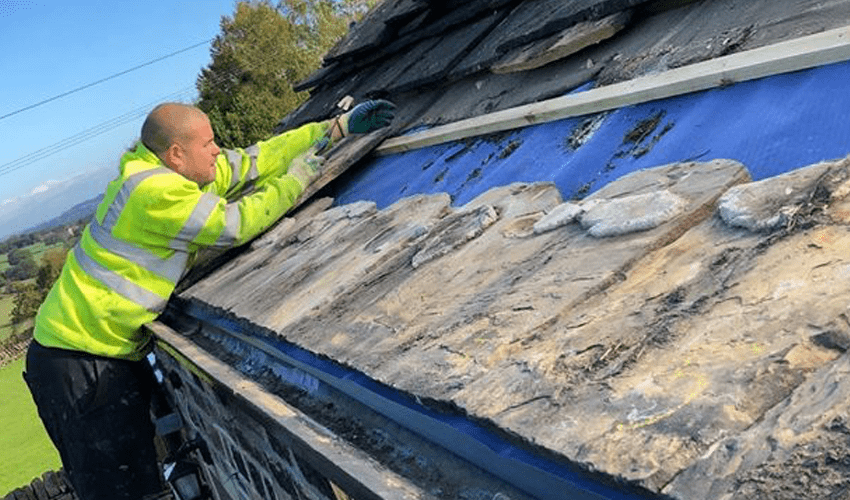
Shingles, on the other hand, have been a long-standing choice for residential roofing due to their affordability and aesthetic appeal. While shingles offer a wide variety of styles and colors, they may not be as resilient as metal roofs in hurricane-prone areas. Traditional asphalt shingles can be susceptible to wind uplift, especially when not installed correctly or lacking adequate reinforcement. This vulnerability can lead to shingle loss, water infiltration, and structural damage during hurricanes.
The Battle of Cost
Cost is often a significant consideration when choosing a roofing material. In general, shingles tend to be more budget-friendly compared to metal roofs. The initial installation cost of metal roofs can be higher due to the materials and specialized expertise required. However, it’s important to consider the long-term value. Metal roofs typically have a longer lifespan and require less maintenance compared to shingles. They are less prone to damage from weather elements and may even reduce insurance premiums due to their durability. Thus, metal roofs, despite their higher upfront cost, can demonstrate long-term cost-effectiveness.
Energy Efficiency and Environmental Impact
Energy efficiency is another factor to consider. Metal roofs, especially those with reflective coatings, can significantly reduce heat absorption, resulting in lower cooling costs during hot summers in hurricane-prone regions. In addition, metal roofs contribute to a more environmentally friendly choice as they are often made from recyclable materials, reducing landfill waste compared to shingles.
The Verdict: Metal Roof or Shingles for Hurricane-Prone Areas?
In hurricane-prone areas, where the primary concern is withstanding high winds and potential impact from flying debris, metal roofs provide superior protection. Their strength, durability, and resistance to wind uplift make them an ideal choice for homeowners looking for long-term reliability and peace of mind. While shingles may be a more affordable option initially, their susceptibility to wind damage poses a risk in hurricane-prone regions.
Conclusion:
Choosing the right roofing material for hurricane-prone areas is crucial to safeguard your home. While both metal roofs and shingles have their advantages, metal roofs offer superior protection and durability against hurricane-force winds. Although they may have a higher upfront cost, their long-term value, energy efficiency, and environmental benefits make them a worthwhile investment. Prioritizing the safety and security of your home during extreme weather events should guide your decision-making process when considering metal roof vs shingles hurricane.
Leave a Reply