Are you dreaming of a cozy, single-story home that blends simplicity with timeless American charm? The Ranch Style House Design House Plans Single Roof Front Porch concept might be exactly what you’re looking for. This design offers easy living, an open layout, and an inviting front porch — perfect for family gatherings or peaceful evenings outdoors.
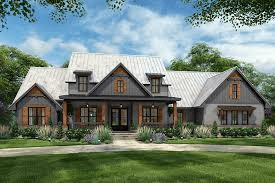
In this guide, we’ll explore everything you need to know about ranch-style homes — from layout inspiration to roof types and porch styles — so you can design a home that’s both practical and beautiful.
Read too: How Long Do Standing Seam Metal Roofs Last? A Comprehensive Guide to Durability and Longevity
What Makes a Ranch Style House Design Unique?
Ranch-style houses first gained popularity in the U.S. during the 1920s and 1950s. They’re known for their low, long profiles, single-story layouts, and strong connection to outdoor spaces.
Key Features Include:
- Single-Level Layout: Ideal for families, seniors, and anyone seeking accessible living.
- Open Floor Plans: Encourage natural light and easy movement between rooms.
- Large Windows & Sliding Doors: Blend indoor and outdoor areas seamlessly.
- Front Porch or Patio: Adds curb appeal and provides a relaxing outdoor space.
- Simple Rooflines: Often a single gable or hip roof for easy maintenance.
According to the National Association of Home Builders (NAHB), over 58% of new U.S. single-family homes feature at least one ranch-style characteristic — proving that this design remains timeless.
Why Choose a Single Roof Design?
A single roof design in ranch homes keeps the structure visually clean and cost-effective. Fewer roof transitions mean fewer leak points and reduced maintenance costs over time.
Advantages:
| Feature | Benefit |
|---|---|
| Simplicity | Easier construction and faster completion time |
| Cost-Effective | Less roofing material needed |
| Energy Efficiency | Better insulation and temperature control |
| Aesthetics | Sleek, modern lines perfect for minimalistic design lovers |
Many homeowners prefer a single sloped or gable roof to complement the ranch-style architecture — offering a blend of traditional warmth and modern simplicity.
The Beauty of a Front Porch in Ranch Homes
A front porch is more than just decoration — it’s the welcoming heart of your home. It enhances curb appeal and offers functional outdoor space for family time or relaxation.
Popular Porch Styles for Ranch Homes:
- Wraparound Porch: Great for homes on large lots; offers panoramic outdoor access.
- Covered Entry Porch: Adds charm while protecting guests from the weather.
- Screened Porch: Keeps bugs out while maintaining an open-air vibe.
- Column Porch: Incorporates craftsman or farmhouse elements for character.
Tip: Use wooden or stone columns and add a swing or rocking chairs for a classic ranch ambiance.
Best Ranch Style House Plans with Single Roof and Front Porch
Here are three inspiring layout concepts that balance aesthetics and practicality:
1. The Open-Concept Classic
- Size: 1,500–1,800 sq ft
- Layout: Open kitchen-living-dining space
- Features: 3 bedrooms, 2 baths, central porch
- Roof Type: Single gable roof with asphalt shingles
- Perfect for: Families wanting comfort and simplicity
2. The Modern Farmhouse Ranch
- Size: 2,000 sq ft
- Layout: L-shaped plan with side garage
- Features: Vaulted ceiling, large windows, front wrap porch
- Roof Type: Single slanted roof for modern appeal
- Perfect for: Homeowners who love rustic yet contemporary design
3. The Compact Minimalist
- Size: 1,000–1,200 sq ft
- Layout: Efficient space for singles or couples
- Features: Open living area, small porch, energy-efficient design
- Roof Type: Single slope with solar panel integration
- Perfect for: Eco-conscious homeowners
How to Design Your Own Ranch Style Home
Designing a ranch home is easier than you might think. Follow these 5 key steps:
- Define Your Lifestyle Needs: Number of rooms, entertainment space, home office, etc.
- Choose a Roof Style: Single gable or slanted roof for simplicity.
- Plan the Porch Area: Consider sunlight direction and desired porch size.
- Use Open Floor Planning: Remove unnecessary walls for better flow.
- Select Materials: Go for wood, brick, or stucco to reflect classic ranch character.
For inspiration, you can browse public architectural archives such as Wikipedia’s Ranch-style house page.
Pros and Cons of Ranch Style Homes
| Pros | Cons |
|---|---|
| Easy accessibility | Requires larger land space |
| Simple maintenance | Less privacy (all on one level) |
| Timeless appeal | Heating/cooling can be costlier |
| Strong resale value | Limited second-story options |
Expert Tips for a Perfect Ranch Design
- Add skylights to enhance natural lighting.
- Integrate smart home features discreetly within a minimalist design.
- Use earthy tones like beige, cream, or olive green for authenticity.
- Landscape thoughtfully — a porch surrounded by native plants boosts charm.
“A well-designed ranch home is not about square footage — it’s about flow, light, and connection to the outdoors.”
— Michelle Adams, Architect & Home Design Expert
FAQ Section
1. What is the average cost to build a ranch-style house?
In the U.S., the average cost ranges between $150–$250 per square foot, depending on location, materials, and custom features.
2. Can a ranch house have a modern look?
Absolutely! Many modern ranch homes feature sleek roofs, large windows, and minimalist facades without losing their cozy feel.
3. Are ranch-style homes energy efficient?
Yes, especially when using a single roof design and open layout that enhances air circulation and natural lighting.
4. What’s the best material for a ranch-style front porch?
Wood and stone are the most popular, offering warmth and durability. Composite materials are also great for low maintenance.
5. Can I add a garage or second story later?
Yes, but it’s best to plan for potential expansions during the initial design phase to ensure structural compatibility.
6. Do ranch homes work well on sloped lots?
Yes — a single roof design can be adapted for slightly sloped terrain with creative foundation planning.
Conclusion
A Ranch Style House Design House Plans Single Roof Front Porch delivers the perfect blend of comfort, elegance, and practicality. It’s ideal for homeowners who value open spaces, timeless charm, and low-maintenance living.

Leave a Reply