Metal roofs are becoming increasingly popular due to their durability, longevity, and energy efficiency. However, one question that often arises is whether a metal roof should be grounded. Grounding is an important aspect of electrical safety, and in this article, we will explore the topic in detail. We will discuss the importance of grounding for metal roofs and provide guidelines to ensure safe and effective grounding practices.
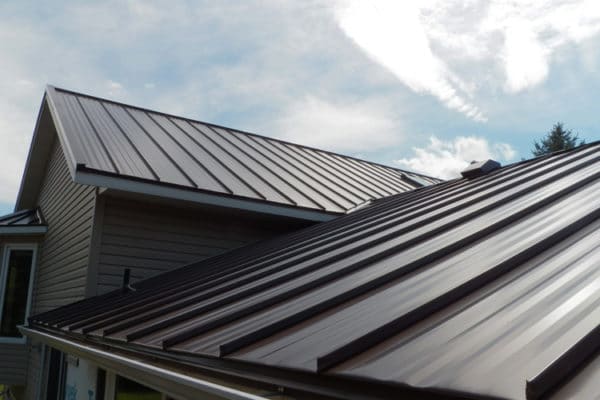
The Importance of Grounding a Metal Roof:
Electrical Safety: Grounding plays a vital role in electrical safety by providing a path for the dissipation of electrical charges. It helps prevent the buildup of static electricity and reduces the risk of electrical shock in the event of a lightning strike or power surge.
Lightning Protection: Metal roofs are more susceptible to lightning strikes due to their conductive nature. Proper grounding can help protect the building and its occupants by providing a path for lightning to follow, redirecting the electrical energy safely into the ground.
Equipment Protection: Grounding a metal roof helps protect electrical equipment and appliances within the building. In the event of a power surge or electrical fault, grounding channels excessive current away from sensitive equipment, reducing the risk of damage or malfunction.
Guidelines for Grounding a Metal Roof:
Compliance with Electrical Codes: The grounding of a metal roof should comply with local electrical codes and regulations. These codes may vary, so it is important to consult with a qualified electrician or electrical engineer familiar with the specific requirements in your area.
Bonding and Grounding System: The grounding system for a metal roof typically involves bonding and connecting various metal components to an effective grounding electrode system. This may include metal roof panels, metal flashings, lightning protection systems, and other conductive elements.
Grounding Electrode System: The grounding electrode system is responsible for establishing a connection between the metal roof and the earth. It actively typically comprises properly installed and interconnected grounding rods, plates, or conductive grids. The system should have a low resistance to ensure effective grounding.
Lightning Protection System: For areas prone to frequent lightning activity, installing a lightning protection system is highly recommended. This system includes lightning rods or air terminals strategically placed on the roof and connected to the grounding electrode system. The lightning protection system should be designed and installed by a qualified professional.
Professional Installation: Grounding a metal roof should be performed by a qualified electrician or roofing contractor with expertise in electrical systems. They will ensure proper installation techniques, correct connections, and adherence to safety standards.
Conclusion:
Grounding a metal roof is an important consideration for electrical safety and protection against lightning strikes. It provides a path for electrical charges to safely dissipate and minimizes the risk of damage to equipment. To ensure the safe grounding of a metal roof, adhere to electrical codes, establish bonding and grounding, and consult professionals. Following these guidelines creates a safe environment, benefiting both occupants and the building, with a properly grounded metal roof.
Leave a Reply