Many homeowners and builders ask, should you install house wrap before the roof goes on? Proper installation of house wrap is essential for moisture control, energy efficiency, and long-term durability. However, the sequence of installation can affect performance and construction workflow. Understanding the correct order ensures your home is protected from leaks and air infiltration while avoiding costly mistakes.
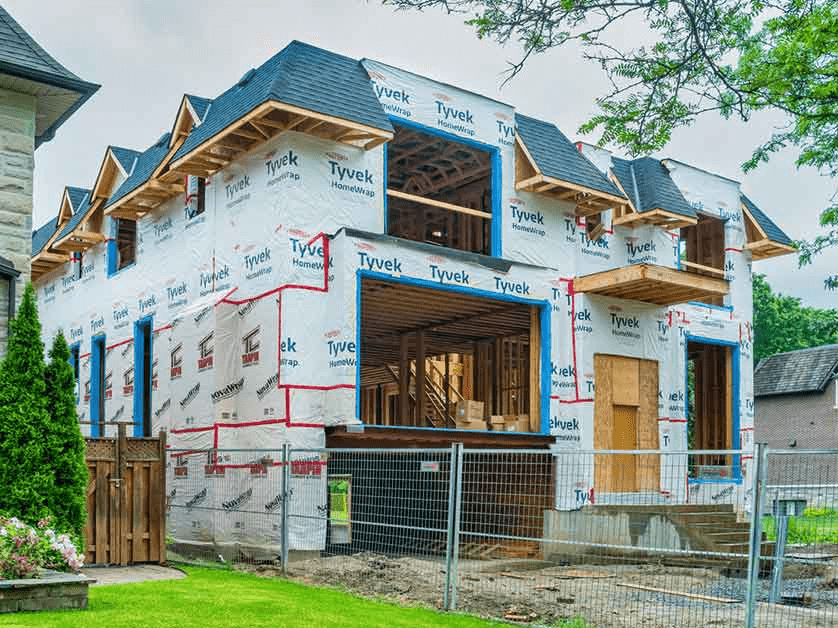
What is House Wrap and Why It Matters
House wrap is a synthetic material installed over exterior walls under siding. Its main purposes include:
- Moisture Barrier: Prevents water from seeping into walls.
- Air Barrier: Reduces drafts and energy loss.
- Durability: Protects framing during construction before siding installation.
- Energy Efficiency: Helps maintain consistent indoor temperatures.
Read too: Is It Reasonable to Ask the Seller to Replace the Roof?
Expert Insight: Building scientists emphasize that proper house wrap installation significantly reduces the risk of mold and structural damage over time.
Should House Wrap Go On Before or After the Roof?
Pros of Installing Before the Roof
- Complete Wall Protection: Shields walls from rain during roofing and construction.
- Seamless Integration: Easier to overlap and seal with roof flashing.
- Fewer Leaks: Reduces potential water infiltration points at wall-to-roof junctions.
Pros of Installing After the Roof
- Easier Access: Roof installation may be easier without obstruction from house wrap.
- Reduced Risk of Tearing: Heavy roofing materials or equipment may damage wrap if installed too early.
- Work Sequencing Flexibility: Some builders prefer finishing roofing first to simplify workflow.
Industry Best Practice: Most building codes and roofing guidelines recommend installing house wrap before roofing to ensure proper moisture management and flashing integration.
Step-by-Step Installation Guide
- Inspect Walls: Ensure framing is dry and structural sheathing is properly installed.
- Start at the Bottom: Begin wrapping at the base of exterior walls.
- Overlap Properly: Use manufacturer’s recommended overlap (usually 6–12 inches).
- Secure with Staples or Cap Nails: Avoid over-tightening, which can tear the wrap.
- Integrate with Flashing: Overlap wrap with roof flashing at eaves and wall intersections.
- Seal Openings: Around windows, doors, and vents, apply flashing tape for airtight sealing.
- Install Roof: After wrap is installed, proceed with roof underlayment and shingles.
Tip: Always follow manufacturer instructions for the specific house wrap brand.
Common Mistakes to Avoid
- Leaving gaps or insufficient overlap at seams.
- Installing wrap too tightly, causing wrinkles or tears.
- Skipping integration with roof flashing.
- Installing wrap in wet conditions, which can trap moisture.
- Failing to secure properly before roof installation.
House Wrap vs Roof Underlayment
| Feature | House Wrap | Roof Underlayment |
|---|---|---|
| Purpose | Moisture/air barrier for walls | Moisture protection for roof deck |
| Installation Timing | Before roofing | Before shingles |
| Material | Synthetic film (Tyvek, Typar) | Felt, synthetic, or ice/water shield |
| Key Tip | Integrate with flashing | Ensure overlap with roof edge and valleys |
FAQ (H2)
Q1: Can house wrap be installed after the roof?
A: Technically yes, but it may compromise flashing integration and leave walls vulnerable to rain during construction.
Q2: Does house wrap improve energy efficiency?
A: Yes. Properly sealed house wrap reduces air leaks, helping maintain indoor temperatures and lowering energy bills.
Q3: How does house wrap interact with siding?
A: The siding is installed over the wrap, which acts as a weather-resistant barrier. Proper overlap and ventilation are key.
Q4: Can improper installation cause mold?
A: Yes. Gaps, wrinkles, or trapped moisture can allow mold to grow inside wall cavities.
Q5: Are there different types of house wrap?
A: Yes. Common options include Tyvek, Typar, and synthetic breathable films, each with unique durability and installation requirements.
Q6: Should flashing be installed over or under the house wrap?
A: Flashing at roof-to-wall intersections should overlap the house wrap to create a continuous water barrier.
Expert Recommendations
- Install Before Roof: For maximum moisture protection and proper flashing integration.
- Check Weather: Avoid installation in heavy rain or high winds.
- Use Quality Tape and Flashing: Sealing seams ensures long-term performance.
- Integrate with Siding Plan: Ensure wrap doesn’t interfere with later siding installation.
External Authority: For detailed building envelope guidelines, see Building Envelope – Wikipedia.
Conclusion
Deciding should you install house wrap before the roof goes on is crucial for protecting your home against water infiltration, drafts, and energy loss. Installing it before roofing ensures seamless flashing, wall protection, and long-term durability. Following expert tips, proper installation steps, and industry standards will save time, prevent costly repairs, and enhance your home’s efficiency.
Share this guide to help homeowners and builders confidently plan house wrap and roofing installation for a stronger, more energy-efficient home.
Leave a Reply