When it comes to metal roofing, the Standing Seam Metal Roof Gauge is a critical factor that determines the durability, performance, and aesthetics of your roof. Whether you’re a homeowner, contractor, or architect, understanding roof gauge is essential for selecting the right roofing materials for your project. In this article, we’ll explore the concept of roof gauge, its importance in standing seam metal roofs, and how to choose the best option for your needs.
What Is a Standing Seam Metal Roof?
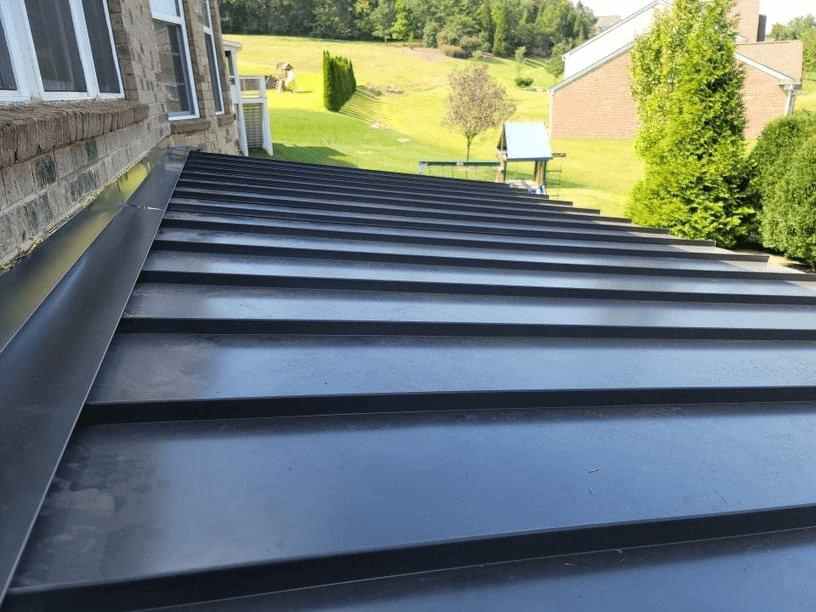
A standing seam metal roof is a type of metal roofing system characterized by vertical panels with raised seams. These seams interlock and run continuously from the roof’s ridge to the eave, creating a sleek, modern look. The durability and weather resistance of this roofing system make it a popular choice for residential, commercial, and industrial buildings.
Key Features of Standing Seam Metal Roofs:
- Sleek Aesthetic: A clean and contemporary design.
- Weather Resistance: Excellent protection against rain, snow, and wind.
- Durability: Known for their long lifespan, often exceeding 50 years.
- Energy Efficiency: Reflective metal surfaces reduce cooling costs.
- Low Maintenance: Requires minimal upkeep compared to other roofing systems.
Read too: How Long aDo Standing Seam Metal Roofs Last? A Comprehensive Guide to Durability and Longevity
What Is Roof Gauge, and Why Does It Matter?
The term roof gauge refers to the thickness of the metal used in roofing panels. It’s measured in terms of the sheet metal’s gauge number, with lower numbers indicating thicker metal. For example, a 24-gauge panel is thicker than a 26-gauge panel.
Importance of Roof Gauge:
- Durability: Thicker metal (lower gauge) offers greater strength and resistance to impact, such as hail.
- Weather Performance: Thicker gauges provide better protection against high winds and heavy snow.
- Longevity: Lower gauge panels tend to last longer, making them a cost-effective investment over time.
- Aesthetic Appeal: Thicker panels maintain their shape and appearance better, reducing the risk of warping.
Choosing the Right Standing Seam Metal Roof Gauge
Common Gauges for Standing Seam Metal Roofs:
- 22-Gauge: The thickest and most durable, often used in industrial applications or areas prone to severe weather.
- 24-Gauge: A popular choice for residential and commercial buildings, balancing durability and cost.
- 26-Gauge: Suitable for areas with mild weather conditions, offering affordability and lightweight panels.
- 29-Gauge: The thinnest option, typically used for utility structures or sheds.
Factors to Consider:
- Climate and Weather Conditions
- If you live in a region with frequent storms, heavy snowfall, or high winds, opt for a lower gauge (thicker) metal.
- In milder climates, a higher gauge (thinner) metal may suffice.
- Building Type and Usage
- Residential properties often use 24-gauge panels for their durability and aesthetic appeal.
- Commercial and industrial buildings may require 22-gauge panels for added strength.
- Budget
- Thicker panels are more expensive but provide better long-term value.
- Thinner panels are budget-friendly for projects where extreme durability is not a priority.
- Aesthetic Preferences
- Lower gauge panels have a more substantial, premium look that enhances curb appeal.
Advantages of a Standing Seam Metal Roof Gauge
1. Enhanced Durability
Choosing the right gauge ensures your roof can withstand harsh weather, including hailstorms, high winds, and heavy snowfall.
2. Energy Efficiency
Metal roofs, especially those made from thicker materials, reflect sunlight effectively, reducing cooling costs during summer.
3. Minimal Maintenance
Lower gauge panels are less likely to warp or dent, resulting in reduced maintenance needs over time.
4. Versatility
Standing seam metal roofs are compatible with solar panels, green roofs, and other sustainable roofing solutions.
5. Longevity
With proper installation and the right gauge, these roofs can last 50 years or more, offering an excellent return on investment.
Installing Standing Seam Metal Roofs: Why Gauge Matters
The Installation Process:
- Preparation
- Inspect the roof deck for stability.
- Install a waterproof underlayment to prevent leaks.
- Panel Layout
- Lay out panels based on the roof gauge and design requirements.
- Secure panels with hidden fasteners for a seamless appearance.
- Seaming
- Use specialized tools to lock the seams, ensuring durability and water resistance.
Why Gauge Is Important During Installation:
- Thicker panels (lower gauge) are heavier and require precise handling.
- Thinner panels (higher gauge) are lighter but may need additional support to prevent warping.
Maintaining Your Standing Seam Metal Roof
- Regular Inspections
- Check for loose seams, dents, or scratches.
- Inspect the roof gauge integrity to ensure it meets performance standards.
- Cleaning
- Remove debris and dirt using a soft brush or hose.
- Avoid harsh chemicals that can damage the metal surface.
- Repairs
- Address minor issues promptly to prevent further damage.
- Consult a professional if you notice significant wear or tear.
Standing Seam Metal Roof Gauge and Sustainability
Eco-Friendly Benefits:
- Recyclability: Metal roofs are 100% recyclable at the end of their lifespan.
- Energy Efficiency: Reflective surfaces reduce energy consumption.
- Durable Materials: Lower gauge roofs last longer, reducing waste.
Solar Panel Compatibility:
Standing seam metal roofs, especially those made with thicker gauge metal, are ideal for mounting solar panels. The sturdy seams allow for secure attachments without additional penetrations, preserving the roof’s waterproof integrity.
Cost Considerations
The cost of standing seam metal roofing depends on the gauge, material, and labor. Here’s a breakdown:
- 22-Gauge: $15–$20 per square foot (premium choice for severe climates).
- 24-Gauge: $10–$15 per square foot (most common for residential properties).
- 26-Gauge: $8–$12 per square foot (budget-friendly, ideal for moderate climates).
Investing in a lower gauge may have higher upfront costs but provides better durability and long-term savings.
Why Choose Standing Seam Metal Roofs?
A standing seam metal roof, with the right gauge, offers unmatched benefits in durability, performance, and aesthetics. It’s a versatile choice for modern construction, balancing style with function. Whether you’re building a new home, renovating a commercial property, or looking for an eco-friendly roofing option, the standing seam metal roof gauge plays a pivotal role in ensuring success.
Leave a Reply