Building a birdhouse is rewarding, but one key question often arises: what can I use for the roof of bird houses? The roof is crucial—it protects birds from rain, snow, and sun while adding stability and longevity to your structure. Choosing the right material ensures your birdhouse remains safe, weatherproof, and inviting for feathered guests.
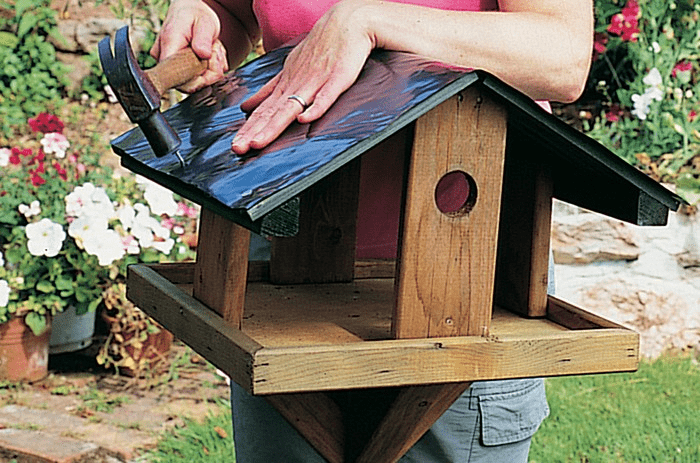
Top Materials for Birdhouse Roofs
1. Wood
- Types: Cedar, pine, or redwood.
- Pros: Natural, sturdy, easy to cut and shape, blends well with the environment.
- Cons: Needs weatherproof treatment to prevent rot.
Read too: Is It Reasonable to Ask the Seller to Replace the Roof?
2. Asphalt Shingles
- Pros: Excellent water resistance, long-lasting, easy to install.
- Cons: Adds weight, less natural aesthetic.
3. Metal Sheets
- Types: Aluminum or galvanized steel.
- Pros: Extremely durable, fire-resistant, waterproof.
- Cons: Can heat up in direct sun, may need insulation.
4. Thatch or Natural Materials
- Pros: Attractive, provides extra insulation, lightweight.
- Cons: Requires periodic maintenance, less durable in heavy rain.
5. Plastic or PVC
- Pros: Lightweight, easy to clean, waterproof.
- Cons: Less eco-friendly, may look artificial.
Step-by-Step Guide to Choosing the Best Roof
- Consider Your Climate:
- Rainy or snowy areas → waterproof materials like asphalt, metal, or treated wood.
- Hot, sunny areas → natural wood or thatch to provide insulation.
- Check Weight and Support:
- Ensure the birdhouse walls can support heavier materials like shingles or metal.
- Prioritize Safety:
- Avoid sharp edges or toxic treatments that could harm birds.
- Think About Aesthetics:
- Wood or thatch roofs blend into natural environments, attracting more birds.
- Maintenance Needs:
- Metal and shingles → minimal upkeep
- Thatch and untreated wood → periodic replacement and waterproofing
Comparison Table: Roof Materials
| Material | Durability | Weatherproof | Maintenance | Eco-Friendly |
|---|---|---|---|---|
| Wood | Moderate | Moderate | Regular sealing | Yes |
| Asphalt | High | Excellent | Occasional repair | Moderate |
| Metal | Very High | Excellent | Minimal | Low |
| Thatch/Natural | Moderate | Fair | Regular upkeep | Yes |
| Plastic/PVC | High | Excellent | Easy | Low |
Insight: Treated wood and asphalt shingles are the most balanced options for durability, safety, and aesthetics.
Installing a Roof on Your Birdhouse
Step-by-Step Tutorial:
- Cut the roof material to extend 1–2 inches beyond the walls for rain protection.
- Secure with non-toxic waterproof glue or small screws/nails (for wood or metal).
- Ensure no sharp edges inside or outside that could injure birds.
- If using wood or thatch, apply non-toxic sealant to prevent water damage.
- Test the roof slope for drainage—water should flow off easily, not pool.
Pro Tip: Slanted or gabled roofs are best for rain runoff.
FAQ Section
Q1: Can I use asphalt shingles on a small birdhouse?
A1: Yes, but ensure the structure is strong enough to support the added weight.
Q2: Are metal roofs too hot for birds in summer?
A2: Metal can heat up; use paint or insulation beneath the metal to reduce temperature.
Q3: How often should I maintain a wooden birdhouse roof?
A3: Inspect and reseal once a year, especially in rainy or humid climates.
Q4: Can I use recycled materials for birdhouse roofs?
A4: Yes, as long as they are safe, non-toxic, and waterproof.
Q5: What roof style is best for drainage?
A5: Slanted or gabled roofs help water run off easily and prevent leaks.
Conclusion
Choosing the right material for your birdhouse roof is crucial for durability, weather resistance, and bird safety. Whether you select wood, metal, shingles, or natural thatch, focus on materials that are non-toxic, lightweight, and provide good insulation.
Share this guide with friends or family to help them build birdhouses that are safe, functional, and inviting for local wildlife!

Leave a Reply