When it comes to roofing materials, metal has become a popular choice due to its durability, longevity, and aesthetic appeal. Whether you are building a new property or planning to replace an existing roof, understanding the standard gauge for metal roofing is crucial. The gauge of a metal roof refers to its thickness, and it plays a significant role in determining the roof’s strength and ability to withstand various weather conditions.
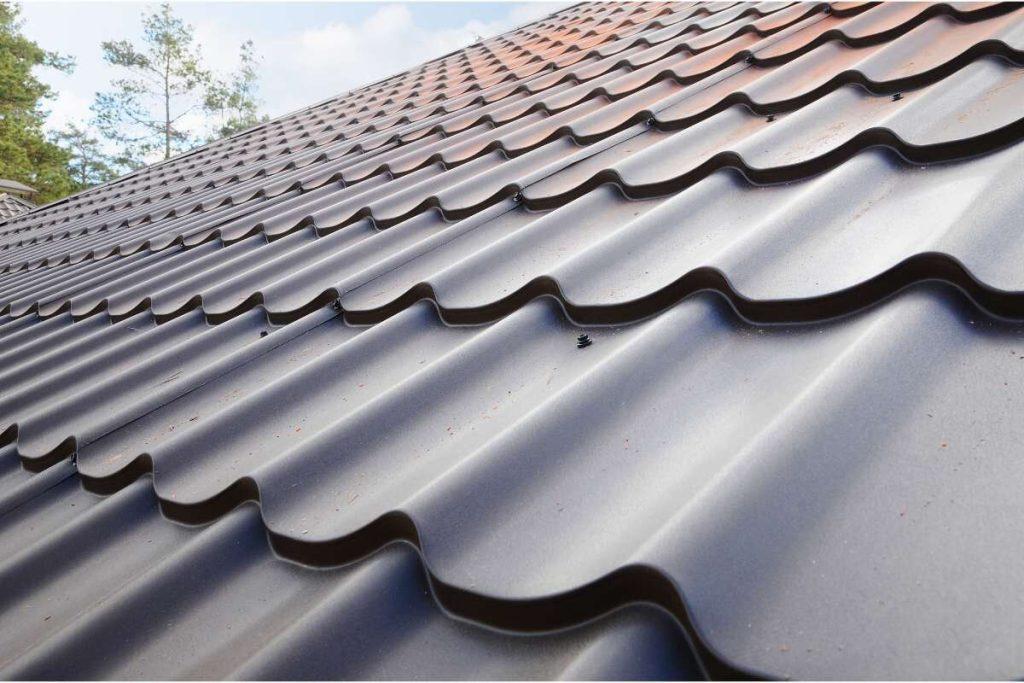
Understanding Metal Roofing Gauge
The metal roofing gauge is a numerical value that indicates the thickness of the metal used for the roof. It is essential to comprehend that as the gauge number decreases, the thickness of the metal increases. In contrast, a higher gauge number means a thinner metal sheet. Commonly, metal roofing gauges range from 22 to 29, with 22 being the thickest and 29 the thinnest.
Factors Influencing the Choice of Metal Roofing Gauge
Roofing Material: Metal roofing comes in various materials, including steel, aluminum, copper, and zinc. Each material has its unique properties and benefits. The choice of gauge will often depend on the specific metal used for the roofing. For instance, steel is commonly available in gauges 22 to 29, while aluminum typically ranges from 0.0179 inches (gauge 24) to 0.032 inches (gauge 20).
Roof Design: The design and architecture of the roof can also influence the ideal gauge for metal roofing. Complex roof designs with many ridges, slopes, and valleys may require thicker gauges to ensure structural integrity and prevent buckling or denting.
Weather Condition: The geographical location and prevalent weather conditions are crucial considerations when choosing the metal roofing gauge. Properties in regions prone to harsh weather, such as heavy snowfall or hailstorms, may benefit from thicker gauges that can withstand the impact and weight.
The Importance of the Right Metal Roofing Gauge
Selecting the appropriate metal roofing gauge is of utmost importance to ensure the roof’s longevity, performance, and ability to protect the property. Here are some reasons why getting the gauge right matters:
Durability and Longevity: A thicker gauge translates to better durability and longer lifespan for the metal roof. Thicker metal sheets are less susceptible to dents, punctures, and other damages, making them ideal for areas with severe weather conditions.
Strength and Load-Bearing Capacity: Metal roofs with the right gauge offer superior strength and load-bearing capacity. This is particularly essential in regions experiencing heavy snowfall or where the roof might be subject to additional loads such as solar panels or HVAC units.
Reduced Risk of Leaks: A well-installed metal roof with the appropriate gauge minimizes the risk of leaks. Thicker gauges are less prone to developing cracks or developing gaps over time, ensuring a watertight roofing system.
Choosing the Right Metal Roofing Gauge
When deciding on the appropriate metal roofing gauge for your property, consider the following guidelines:
Consult a Professional: Seek advice from reputable roofing contractors or professionals who have experience with metal roofing. They can assess your property’s specific needs and recommend the right gauge accordingly.
Consider Environmental Factors: Assess the weather conditions and environmental factors in your region. If your area experiences extreme weather or frequent hailstorms, opting for a thicker gauge can provide added protection and peace of mind.
Evaluate Your Budget: Thicker gauges often come at a higher cost than thinner ones. Evaluate your budget and balance it with the level of protection and durability you require from your metal roof.
Conclusion
In conclusion, understanding the standard gauge for metal roofing is essential when making decisions about your property’s roof. The gauge directly impacts the roof’s durability, strength, and ability to withstand various environmental conditions. To ensure the longevity and performance of your metal roof, consult with professionals, consider your property’s specific needs, and make a well-informed choice when it comes to the metal roofing gauge. Remember, a carefully chosen metal roofing gauge can offer long-lasting protection and enhance the overall value of your property.

Leave a Reply