As winter arrives, homeowners often worry about the formation of ice dams on their roofs. These ice formations can lead to significant damage, including leaks, water infiltration, and even structural issues. If you’re considering a metal roof, you may wonder if it can help prevent ice dams. In this article, we will explore the benefits of metal roofing in winter and address the question of whether a metal roof can effectively prevent ice dams.
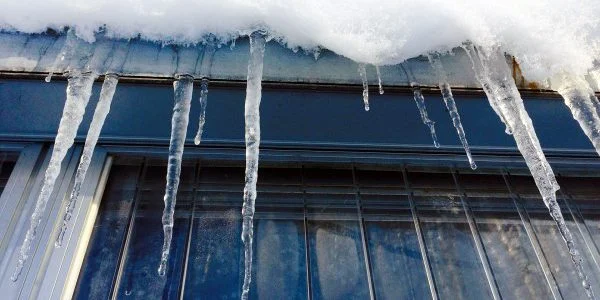
Understanding Ice Dams:
Ice dams form when snow on the roof melts due to heat escaping from the interior of the house or inadequate attic insulation. The melted snow then refreezes at the roof’s edges or in the gutters, forming a barrier that prevents proper water drainage. Over time, this trapped water can seep under the shingles, leading to leaks and water damage.
The Benefits of Metal Roofing in Winter:
- Efficient Snow Shedding: One of the significant advantages of a metal roof in winter is its ability to shed snow efficiently. The smooth surface and steep slope of a metal roof allow snow to slide off, reducing the chances of snow accumulation and minimizing the formation of ice dams.
- Minimal Heat Transfer: Metal roofs have excellent thermal conductivity, which means they can quickly shed any accumulated snow due to the little heat transfer from the house to the roof. This feature helps prevent the melting-and-refreezing cycle that contributes to ice dam formation.
- Resistant to Ice Dam Damage: Unlike traditional shingle roofs, metal roofs are not susceptible to damage caused by ice dams. The durable and resilient nature of metal roofing materials, such as steel or aluminum, makes them less prone to cracking, splitting, or water infiltration.
- Ventilation and Insulation Compatibility: Proper attic ventilation and insulation are key components in preventing ice dams. Metal roofs are often installed with appropriate ventilation systems and insulation, which help regulate the temperature of the roof and prevent the buildup of heat that contributes to snow melting and ice dam formation.
- Longevity and Durability: Metal roofs have a longer lifespan compared to traditional roofing materials. Their durability and resistance to weather elements, including snow and ice, contribute to a more reliable and long-lasting roofing solution that can withstand the challenges of winter.
Conclusion:
While no roof can completely guarantee the prevention of ice dams, a metal roof offers several benefits that help minimize the risk. With efficient snow shedding, minimal heat transfer, resistance to ice dam damage, compatibility with proper ventilation and insulation, and overall durability, a metal roof can significantly reduce the chances of ice dams forming and the subsequent damage they can cause. When considering a metal roof for your home, consult with roofing professionals who can assess your specific situation and provide guidance on the best roofing solution to combat ice dams and ensure a winter-ready and resilient roof for your property.
Leave a Reply