Running out of space but love your location? Adding A Second Story To A Flat Roof House is one of the most efficient ways to double living space without expanding your footprint. This guide walks you through structure, permits, costs, and design choices so you can plan a safe and valuable vertical addition.
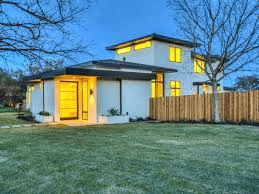
## What Does Adding A Second Story To A Flat Roof House Involve?
Adding A Second Story To A Flat Roof House means removing or reinforcing the existing roof and building upward on the current structure. Because flat roofs already provide a level base, they are often easier to convert into a second level than pitched roofs.
Read too: Is It Reasonable to Ask the Seller to Replace the Roof?
You’ll work with an architect and structural engineer to ensure the foundation, walls, and footings can carry the extra load.
For background on residential structures, see:
https://www.wikipedia.org/wiki/House
Why Flat Roof Homes Are Ideal for Vertical Expansion
- Level working surface for construction
- Simpler framing compared to sloped roofs
- Easier stair integration
- Modern aesthetic possibilities
- Efficient use of limited lot size
Structural Checks You Must Do First
Before design begins, professionals will assess:
- Foundation strength
- Load-bearing walls
- Soil capacity
- Existing roof framing
- Utility line routing
If needed, steel beams or column supports are added to distribute weight safely.
Popular Layout Options for the Second Floor
| Layout | Best For | Key Feature |
|---|---|---|
| Bedrooms + Bath | Growing families | Private sleeping area |
| Master Suite | Comfort upgrade | Walk-in closet, balcony |
| Home Office + Deck | Remote work | Quiet workspace |
| Rental Unit | Extra income | Separate access stair |
Step-by-Step Construction Process
- Structural inspection and engineering plan
- Permit approval from local authority
- Temporary roof removal
- Reinforce walls and add steel beams
- Frame second-floor structure
- Install flooring, walls, and roofing
- Electrical, plumbing, HVAC routing
- Interior finishing and exterior facade
Typical timeline: 8–16 weeks.
Estimated Costs in the US
| Item | Average Cost |
|---|---|
| Engineering & permits | $3,000–$8,000 |
| Structural reinforcement | $10,000–$25,000 |
| Framing & roofing | $25,000–$60,000 |
| Interior finishing | $20,000–$50,000 |
Total range: $60,000–$150,000 depending on size and finish.
Pros and Cons
Advantages
- Doubles living space without buying land
- Increases property value significantly
- Modernizes the home exterior
- Ideal for urban neighborhoods
Challenges
- Temporary relocation during construction
- High upfront investment
- Requires detailed engineering
Design Tips for a Seamless Look
- Match exterior materials for visual unity
- Add large windows for natural light
- Consider a small roof deck or balcony
- Plan stair placement carefully to save space
Safety and Permit Considerations
- Zoning height restrictions
- Fire escape compliance
- Staircase code requirements
- Insulation and ventilation standards
Permits are mandatory in almost all US cities.
Real-Life Scenario
A 1,200 sq ft flat-roof home expanded to 2,300 sq ft:
- Added 3 bedrooms and 2 baths
- Increased property value by over $180,000
- Avoided cost of moving to a larger home
## FAQ — Adding A Second Story To A Flat Roof House
Q1: Can every flat roof house support a second story?
Not always. Structural evaluation is required first.
Q2: Do I need to move out during construction?
Often yes, for safety and speed of work.
Q3: How long does construction take?
Typically 2–4 months depending on complexity.
Q4: Is it cheaper than buying a bigger house?
In many urban areas, yes.
Q5: Will this increase home value?
Significantly, especially in high-demand neighborhoods.
Q6: Can I add a roof deck too?
Yes, many designs combine a second story with a roof deck.
Conclusion
Adding A Second Story To A Flat Roof House is a powerful way to transform your home without sacrificing yard space or relocating. With proper planning, engineering, and design, you gain space, value, and a modernized look that lasts for decades.
If this guide helped you plan your expansion, share it on social media to inspire other homeowners.

Leave a Reply