If you’re unsure how often does a house need a new roof, you’re not alone. Replacing a roof too early wastes money, but waiting too long risks leaks, mold, and structural damage. This guide explains realistic timelines by material, the factors that speed up wear, and the signs that tell you it’s time to replace—not just repair.
How Often Does A House Need A New Roof on Average?


4
For most U.S. homes, the answer is every 20–30 years. But that number changes significantly depending on roofing material, weather exposure, and maintenance.
Typical Roof Lifespan by Material
| Roofing Type | Average Replacement Time |
|---|---|
| 3-tab asphalt shingles | 15–20 years |
| Architectural shingles | 25–30 years |
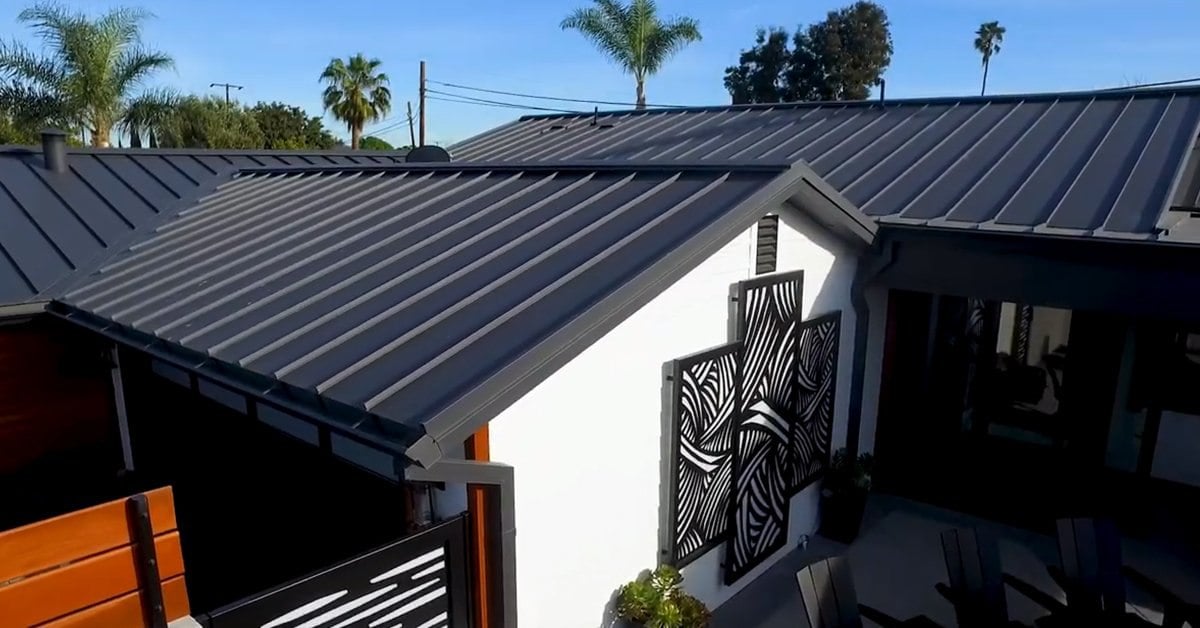
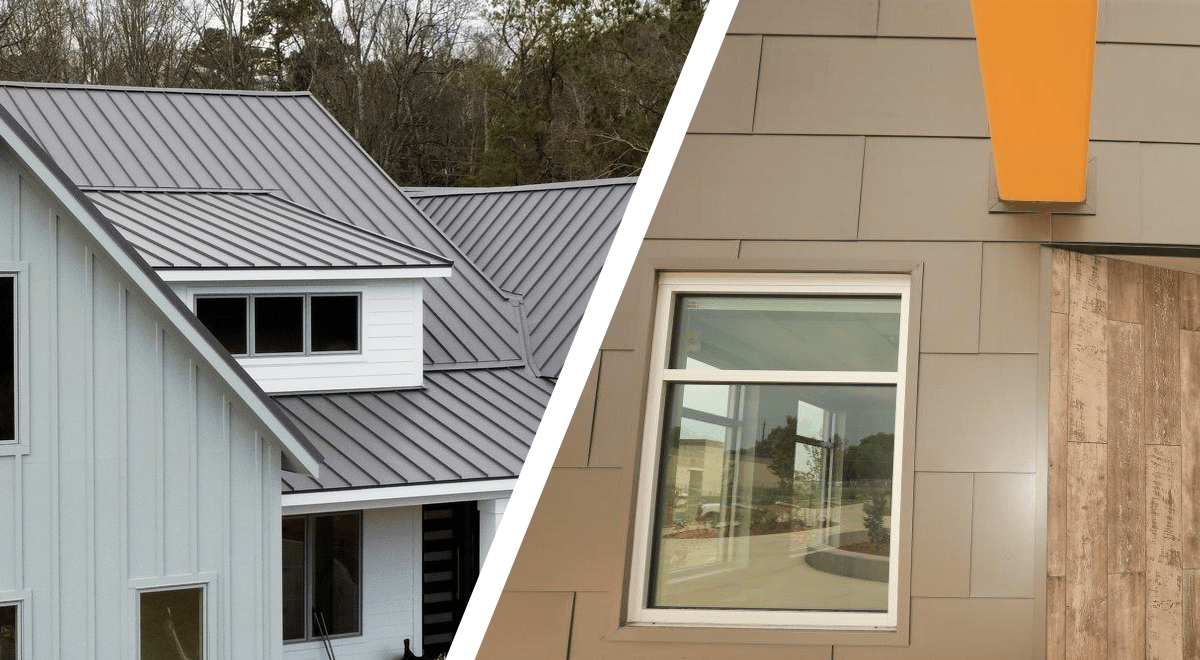
| Metal roofing | 40–70 years |
| Wood shake | 20–40 years |
| Clay or concrete tile | 50–100 years |
| Slate | 75–150 years |
These are field averages observed by contractors—not just warranty claims.
Read too: How To Replace Roof Shingles That Blew Off: A Comprehensive Guide
What Determines How Often a Roof Must Be Replaced?
1. Climate Exposure
Roofs in extreme climates age faster:
- High heat dries shingles and causes cracking
- Snow and ice create freeze–thaw damage
- Coastal salt air corrodes metal
- High winds loosen shingles and flashing
A roof in Florida or Arizona often needs replacement sooner than the same roof in Oregon.
2. Material Quality
Two asphalt roofs may look identical but last very different lengths of time.
- Thicker architectural shingles last longer than basic 3-tab
- Premium metal coatings resist corrosion
- High-grade underlayment extends life
Better materials = fewer replacements.
3. Installation Quality
Poor installation is a leading cause of early failure.
Common issues:
- Incorrect nailing pattern
- Poor flashing around chimneys/vents
- Inadequate attic ventilation
- Cheap underlayment
Even a “30-year roof” can fail in 12–15 years if installed poorly.
4. Ventilation and Insulation
Heat trapped in the attic bakes shingles from below. Moisture buildup rots decking.
Signs of ventilation problems:
- Ice dams
- Mold smell in attic
- Excessive summer attic heat
Proper airflow can extend roof life by 5–10 years.
5. Maintenance Routine
Homeowners who inspect and maintain roofs regularly often delay replacement by years.
Basic routine:
- Clean gutters twice a year
- Remove moss/algae
- Inspect after storms
- Replace damaged shingles quickly
Neglect shortens lifespan dramatically.
Warning Signs Your Roof Is Near Replacement Time
Exterior Signs
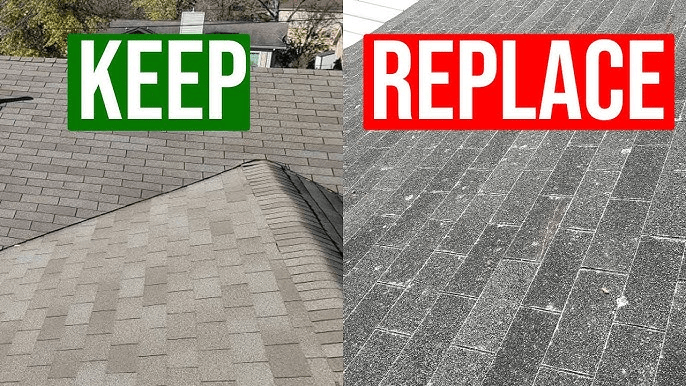
- Curling or buckling shingles
- Missing granules (bald spots)
- Cracked tiles or shingles
- Sagging roof lines
Interior Signs
- Ceiling water stains
- Peeling paint near roofline
- Daylight visible in attic
- Musty smells after rain
If multiple signs appear, replacement is usually smarter than repair.
Asphalt Shingles: The Most Common Case
Asphalt covers over 70% of U.S. homes.
| Shingle Type | Replacement Timeline |
|---|---|
| 3-tab | 15–20 years |
| Architectural | 25–30 years |
In hot climates, expect the lower end of the range.
Metal Roofs: Longest Practical Lifespan
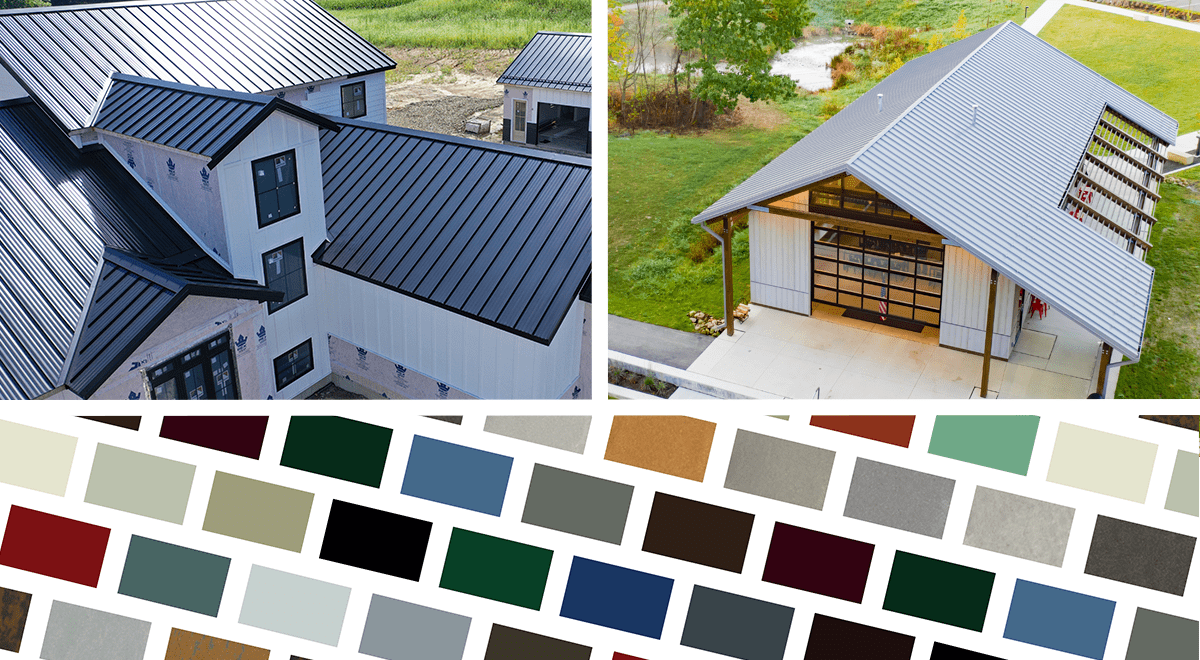
Metal roofs often last 40–70 years with minimal issues.
They resist:
- Fire
- Rot
- Insects
- Wind uplift
Many homeowners never replace a metal roof during ownership.
Tile and Slate: Generational Roofs
Tile and slate roofs often outlive the structure.
- Underlayment may need replacing every 25–30 years
- Individual tiles can be repaired instead of full replacement
These materials are common in high-end or historic homes.
Step-by-Step: Estimate If Your Roof Needs Replacement
- Find installation date from home records
- Identify roofing material
- Compare age to lifespan table
- Inspect for visible wear
- Schedule professional inspection
This process provides a realistic timeline.
Repair or Replace? How to Decide
| Situation | Best Choice |
|---|---|
| Roof under 10 years old | Repair |
| Isolated damage | Repair |
| Frequent leaks | Replace |
| Near lifespan limit | Replace |
| Structural sagging | Replace |
How Often Does A House Need A New Roof in Practice?
Housing data summarized on Wikipedia shows asphalt roofs are typically replaced once every 20–25 years in the U.S., depending on region and care
How to Extend Your Roof’s Lifespan
- Annual inspection
- Proper attic ventilation
- Quick leak repairs
- Gutter maintenance
- Moss and algae treatment
These steps can delay replacement by a decade.
Cost of Replacing Too Early vs Too Late
Too early
- Wasted remaining lifespan
- Unnecessary expense
Too late
- Interior water damage
- Mold remediation
- Structural repairs
- Insurance complications
Timing is everything.
Pros and Cons of Waiting for Replacement
Pros
- Maximum value from materials
- Delayed expense
Cons
- Risk of sudden leaks
- Emergency replacement costs
Planned replacement is always cheaper than emergency repair.
FAQ: How Often Does A House Need A New Roof
How do I find my roof’s age?
Check permits, inspection reports, or ask the previous owner.
Can roofs last longer than warranties?
Yes. Warranties are minimum guarantees, not expiration dates.
Does insurance cover old roof replacement?
Usually only for sudden damage, not wear and tear.
How often should I inspect my roof?
At least once per year and after major storms.
Can I replace only part of my roof?
Sometimes, but full replacement is often more cost-effective.
Conclusion
So, how often does a house need a new roof? For most homes, every 20–30 years—but the true answer depends on materials, climate, installation, and maintenance. By recognizing warning signs and planning ahead, you can replace your roof at the right time and avoid costly surprises.
If this guide helped you plan smarter for your home, share it on social media to help other homeowners protect their roofs and budgets.
Leave a Reply