When it comes to roofing options, understanding the materials involved can help you make an informed decision. Roof shingles are one of the most common choices for homeowners, but many people wonder, “Roof shingles are made of what?” This comprehensive guide will explore the various materials used in roof shingles, their benefits, and how they affect your home’s performance.
The Basics of Roof Shingles
What Are Roof Shingles?
Roof shingles are overlapping panels installed on the roof to provide protection against the elements. They come in various types and materials, each offering different benefits in terms of durability, appearance, and cost. Shingles are designed to work together to form a watertight barrier, protecting your home from rain, snow, and other weather conditions.
Types of Roof Shingle Materials
1. Asphalt Shingles
Composition and Structure
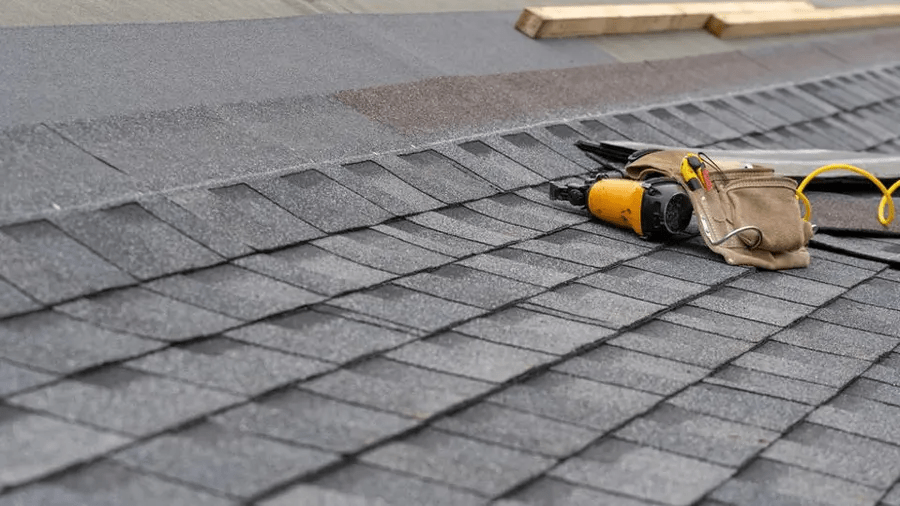
Asphalt shingles are the most commonly used roofing material in residential construction. They consist of a base layer of fiberglass or organic mat, which is then coated with asphalt and mineral granules. The granules provide color and protection against UV rays.
- Fiberglass Shingles: These shingles have a fiberglass mat core and are coated with asphalt and mineral granules. They are known for their durability and fire resistance.
- Organic Shingles: Made from recycled paper or wood fibers, these shingles are also coated with asphalt and granules. They are less common today due to their susceptibility to moisture.
Read too: How To Replace Roof Shingles That Blew Off: A Comprehensive Guide
Benefits
- Affordability: Asphalt shingles are relatively inexpensive compared to other roofing materials.
- Ease of Installation: They are lightweight and easy to install, making them a popular choice for DIY projects.
- Variety: Available in a wide range of colors and styles.
2. Wood Shingles and Shakes
Composition and Structure
Wood shingles are cut from cedar, pine, or other types of wood. They are often treated to enhance their durability and resistance to fire and insects. Wood shakes are similar but are usually hand-split, giving them a more rustic appearance.
- Shingles: Typically machine-cut and uniform in size, giving a clean, neat appearance.
- Shakes: Hand-split and have a more irregular texture, providing a natural look.
Benefits
- Aesthetic Appeal: Wood shingles and shakes offer a classic and natural look.
- Insulation: They provide good insulation properties, helping to regulate indoor temperatures.
Drawbacks
- Maintenance: Wood shingles require regular maintenance to prevent rot and insect damage.
- Cost: Generally more expensive than asphalt shingles.
3. Metal Shingles
Composition and Structure
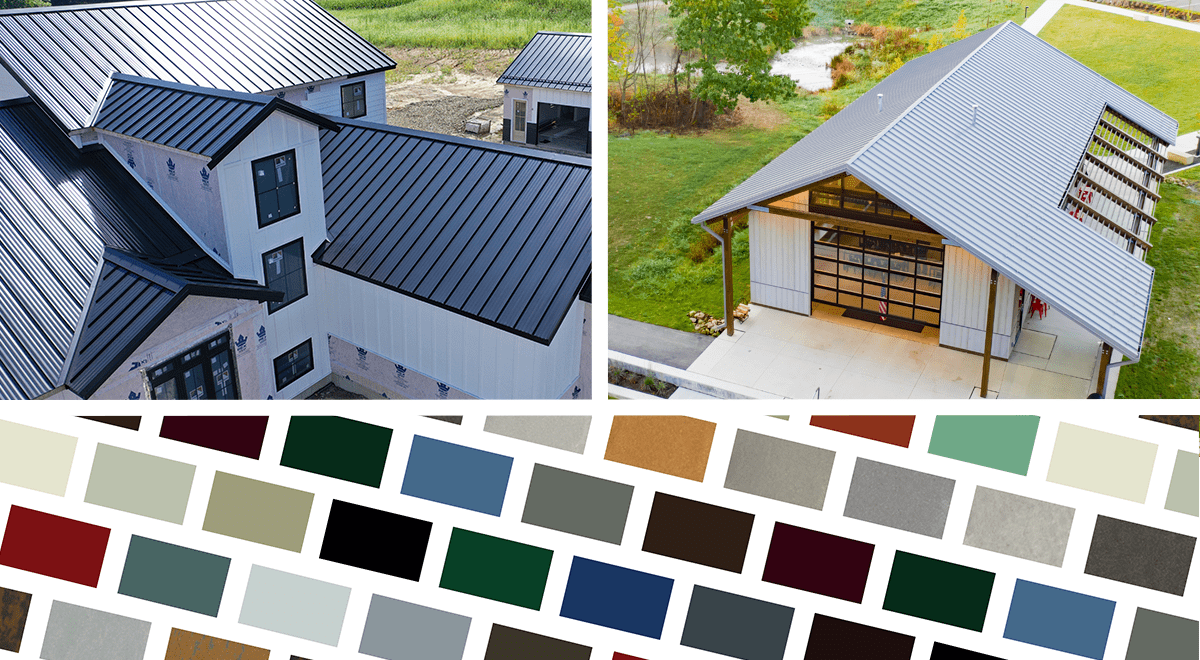
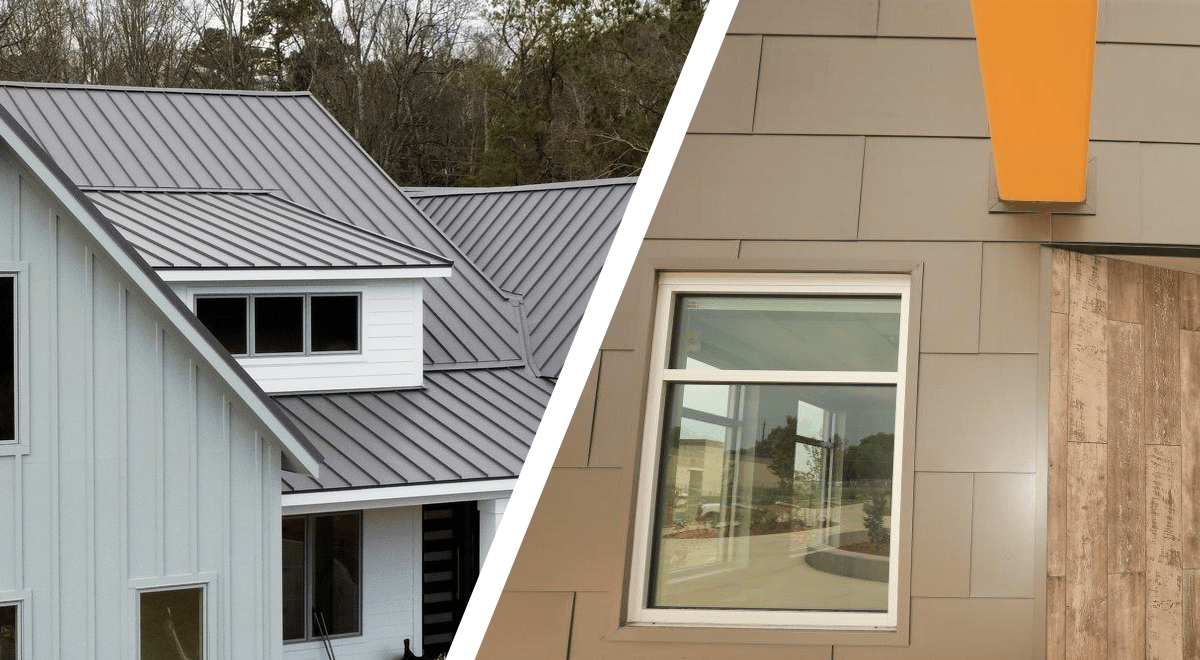
Metal shingles are made from various metals, including steel, aluminum, and copper. They are coated with protective layers to prevent rust and enhance durability.
- Steel Shingles: Often coated with a layer of zinc or a zinc-aluminum alloy to resist corrosion.
- Aluminum Shingles: Lightweight and resistant to rust, making them ideal for coastal areas.
- Copper Shingles: Highly durable and develop a distinctive patina over time.
Benefits
- Longevity: Metal shingles can last 50 years or more with proper maintenance.
- Durability: They are resistant to harsh weather conditions and fire.
- Energy Efficiency: Reflective coatings can help reduce cooling costs.
Drawbacks
- Cost: Generally more expensive than asphalt or wood shingles.
- Noise: Metal roofs can be noisier during heavy rain or hail.
4. Clay and Concrete Tiles
Composition and Structure
Clay and concrete tiles are made from natural clay or cement mixed with sand and water. They are molded into tiles and fired in a kiln to harden.
- Clay Tiles: Known for their durability and traditional appearance. They are available in a range of colors and styles.
- Concrete Tiles: Similar to clay tiles but are heavier and often more affordable. They can be designed to mimic the look of other materials.
Benefits
- Durability: Both clay and concrete tiles are highly durable and resistant to weather conditions.
- Energy Efficiency: They provide excellent insulation and can help reduce cooling costs.
Drawbacks
- Weight: These tiles are heavy and may require additional structural support.
- Cost: Generally more expensive than asphalt shingles.
5. Slate Shingles
Composition and Structure
Slate shingles are made from natural slate stone, which is split into thin layers. They are known for their natural beauty and durability.
- Natural Slate: Cut from natural rock and offers a unique and elegant appearance.
- Synthetic Slate: Made from composite materials designed to mimic the look of natural slate.
Benefits
- Longevity: Slate roofs can last over 100 years with proper maintenance.
- Aesthetic Appeal: Offers a classic and sophisticated look.
Drawbacks
- Cost: One of the most expensive roofing options.
- Weight: Heavy and may require additional structural support.
Factors Influencing the Choice of Shingles
Climate and Weather Conditions
The local climate plays a significant role in determining the best roofing material. For example, asphalt shingles are suitable for moderate climates, while metal shingles are ideal for areas prone to extreme weather conditions.
Budget
Cost is a crucial factor when choosing roofing materials. Asphalt shingles offer an affordable option, while materials like slate and metal are more expensive but offer longer lifespans and enhanced durability.
Aesthetic Preferences
The appearance of roofing shingles can significantly impact your home’s curb appeal. Choose a material that complements your home’s architectural style and personal taste.
Maintenance and Durability
Consider the maintenance requirements and lifespan of the roofing material. Materials like metal and slate require less maintenance but come at a higher cost.
Conclusion
Understanding what roof shingles are made of is essential for making an informed decision about your roofing needs. Whether you opt for the affordability of asphalt, the classic look of wood, or the durability of metal and slate, each material offers unique benefits and considerations. By evaluating your budget, climate, and aesthetic preferences, you can choose the roofing material that best suits your home and lifestyle.
Leave a Reply